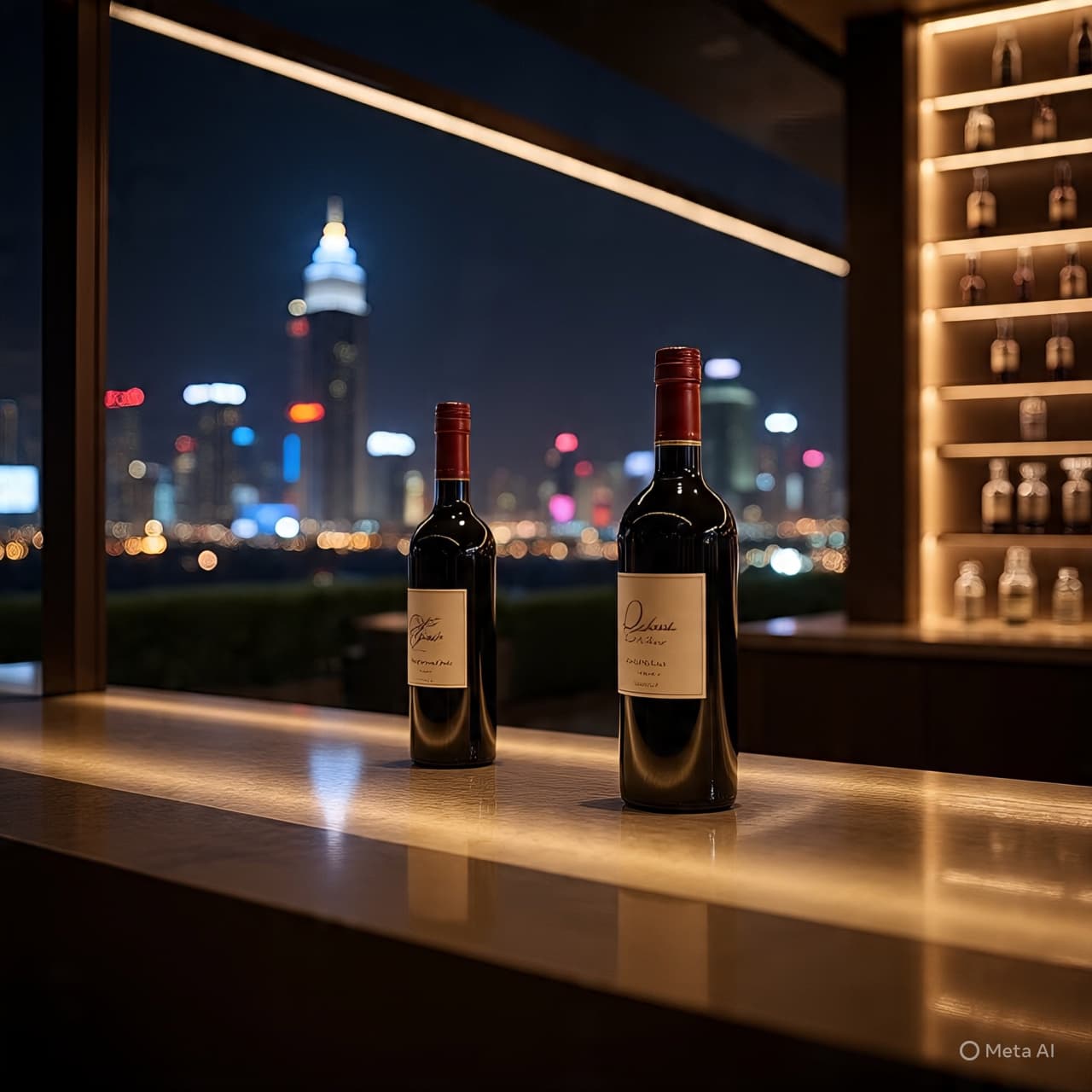
In a city where the wind carries the quiet echo of centuries-old tradition, change sometimes unfolds like a slow-moving desert dawn — subtle, gradual, almost unseen. In recent weeks, for a narrow slice of residents in the kingdom, that dawn has brought something unexpected: the ability to legally buy alcohol in a place long defined by abstinence. For some foreign residents, a long-standing prohibition has given way — not in broad daylight, but through a quiet, carefully calibrated easing.
For decades, the aroma of wine or the clink of a glass was almost unthinkable in public Saudi Arabia. Since 1952, alcohol sales and consumption were forbidden under law. But in January 2024, a single store opened in Riyadh’s diplomatic quarter — and only non-Muslim diplomats had access. That small concession suggested winds of change, but nothing more. Until now.
Starting late 2025, reports from residents and diplomats say the liquor shop has quietly widened its clientele. Non-Muslim foreigners holding a so-called “premium residency” — a special permit that allows privileged residence in the kingdom — are now able to purchase alcohol legally at that store. What once required diplomatic status now requires a deep wallet and a specific visa. For some, it’s a chance to stop turning to the black market; for others, a signal that the kingdom is slowly reshaping some of its boundaries.
Beyond the capital, new alcohol-sale outlets are reportedly being built in major cities such as Jeddah and the eastern coastal region near Dammam — though they are intended to serve a limited non-Muslim customer base under strict licensing. It is all part of a wider transformation for a nation that seeks to modernize and grow tourism, investment, and expatriate residency under its long-term plan for economic diversification.
To understand this shift, one must think of a long-sealed oasis finally letting a trickle of water reach a single small pool — not the flood some imagined, but a measured release. For insiders who qualify, this may feel liberating: a legitimate bottle instead of shady deals, a legal drink instead of furtive sips. But for many others — locals bound by custom, religious law, or financial status — the oasis remains distant, untouched.
In that contrast lies the heart of the change: not a sweeping reform, but a cautious experiment. The kingdom is not ending its prohibition wholesale. Rather, it is quietly carving out a narrow path — for a select few, under certain conditions — perhaps testing whether old traditions and new aspirations can coexist.
For outsiders watching, it may look like a symbolic opening. For those inside the system, it may feel like a small but meaningful shift: a softening of boundaries that once seemed carved in stone. It remains to be seen whether this quiet easing will widen, or if the gates will close again.
What we do know: in 2025, Saudi Arabia — a land long known for prohibition — has begun to let a few privileged residents legally raise a glass. In that, there is both a concession and a question: how far will the change go, and at what cost to tradition, identity, and social cohesion?
AI image disclaimer Illustrations were produced with AI and intended as conceptual visuals, not real photographs.
Sources AFP / Semafor reporting; BBC / Euronews on Saudi’s first liquor store; multiple media outlets reporting new alcohol-sale outlets and eased rules.
Published by Banx Network. This article is part of the Banx decentralized media programme, powered by the BXE token on the XRP Ledger.