moon has once again stirred the imagination of scientists and dreamers alike. Enceladus, a glistening orb orbiting Saturn, has long been seen as an icy mystery. Now, new research from the European Space Agency suggests that this distant moon may hold not just secrets, but the very conditions that could cradle life.
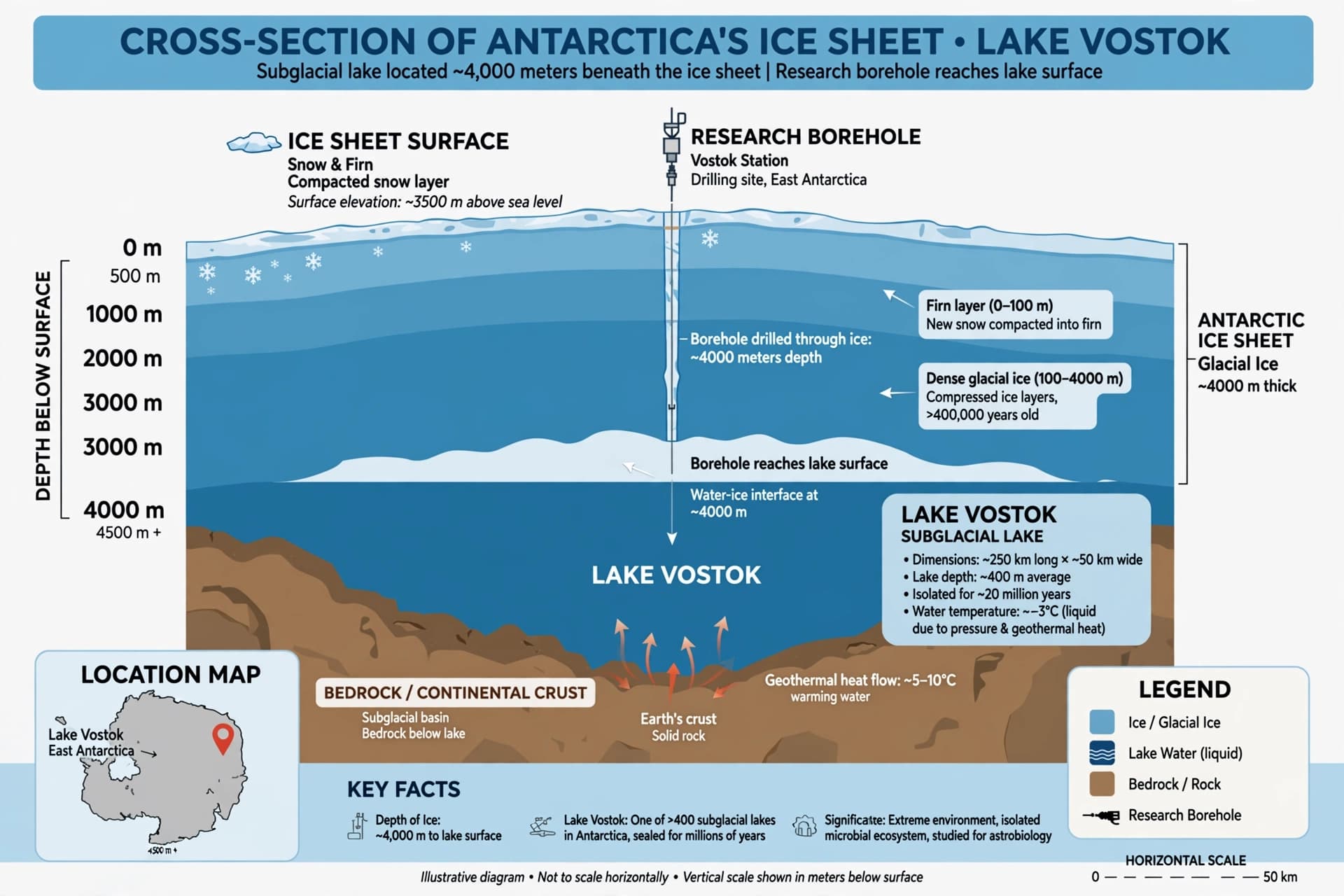
The findings are rooted in the legacy of NASA’s Cassini spacecraft, which in 2005 revealed plumes of vapor shooting into space from beneath Enceladus’s surface. That mission confirmed the presence of a vast subsurface ocean, along with organic molecules — a discovery that transformed the moon from a frozen rock into a potential oasis.
According to ESA scientists, recent analysis shows that Enceladus possesses the key ingredients necessary for life: liquid water, energy sources, and complex chemistry. While this is not evidence of living organisms, the presence of chemical reactions that can produce biologically significant compounds places Enceladus among the most promising candidates for extraterrestrial habitability within our solar system.
The revelation has also accelerated plans for a dedicated mission to Enceladus in the 2040s. Researchers hope that future probes will be able to sample the icy plumes directly, searching for definitive signs of microbial life or the chemical fingerprints that point toward biology.
For now, the moon remains a question mark suspended in the cold reaches of space. But with every new piece of data, the line between speculation and possibility narrows. Enceladus reminds us that life, in its most elemental form, may not be a rare exception — but a quiet companion waiting to be found.
Published by Banx Network. This article is part of the Banx decentralized media programme, powered by the BXE token on the XRP Ledger.