There are days when routine journeys — the familiar click of a ticket gate, the gentle sway of a carriage on well‑worn tracks — offer a quiet rhythm to life. For commuters and weekend travelers alike, the railways are a dependable thread in the tapestry of everyday movement. Yet on 31 January 2026, that thread was abruptly paused for many passengers between Manchester Victoria and Chester, where all rail services were suspended, leaving trains stationary, plans unsettled and hearts gently nudged into the unexpected. In the cool evening light, the disruption became a moment of shared patience and adaptability, as people learned once again how networks designed for seamless travel can, at times, be brought to a standstill by the smallest pieces of infrastructure.
Shortly after 9:30 p.m., Northern Rail reported that services on the route in both directions were cancelled due to a fault on the line, with the disruption expected to continue into the early hours of the following morning as engineers worked to address the issue. The blockage — caused by a points failure at Earlestown, where tracks switch direction — prevented trains running between Manchester Victoria and Chester from traversing the affected section of railway.
The ripple effect of this interruption extended beyond the platforms at Victoria and Chester. Train services that usually continue further afield — carrying passengers toward bustling city centers, quiet towns and beyond — were forced to terminate short of their intended destinations. Earlier trains had already been cut back to Earlestown in Cheshire, leaving passengers to seek alternative connections and adapt their journeys.
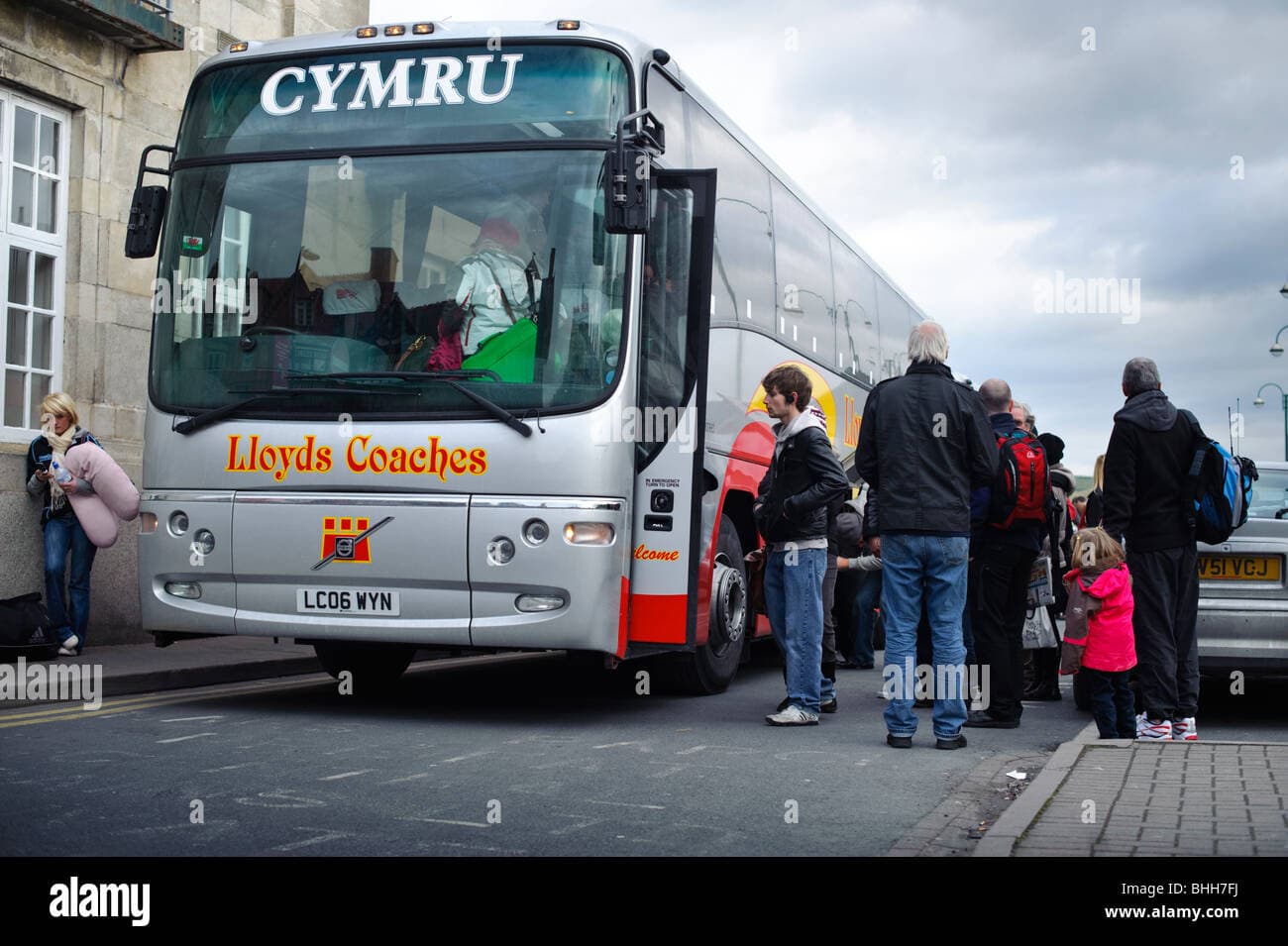
For those caught in the disruption, uncertainty crept in softly at first — a text alert here, an announcement there — until it became clear that waiting or re‑planning would be necessary. In response, Northern advised that tickets could be used on alternative operators’ services, including those run by Transport for Wales, TransPennine Express and LNER, in a gesture aimed at easing the burden on travelers trying to complete their journeys. Bus replacement transport was also scheduled to bridge parts of the route, though these solutions inevitably extended travel times and required adjustments.
The scene at stations was one of quiet resilience: passengers consulting timetables on screens, staff offering guidance with calm courtesy, and groups comparing options for buses, rideshares or onward connections. In the midst of this, those who rely on rail — for work, family visits or simply the end of a long day — showed once again how shared patience often softens the impact of sudden disruption.
Rail infrastructure, for all its complexity, is also a system of finely balanced components. Points — the rails that move to guide trains from one track to another — may be small in comparison to the steel giants that travel above them, but when they fail, the effect is immediate and absolute. Engineers on site worked through the night to repair the fault and restore routes, mindful that every minute of uncertainty touches someone’s life, plan or appointment.
The disruption serves as a reminder of the interdependence of rail networks, and of the quiet work that keeps them running: signal operators coordinating movements, maintenance teams checking each link in the chain, and station staff offering reassurance and information. Even as technology advances and schedules become more intricate, the human element — patience, understanding and adaptability — remains at the heart of every journey.
In straightforward terms: all train services between Manchester Victoria and Chester were suspended on the evening of 31 January 2026 due to a points failure at Earlestown, blocking the line in both directions. Disruption was expected to last into the early hours of the next day while engineers worked on repairs. Rail operators advised passengers to use alternative train services where available or rail replacement buses, and allowed ticket acceptance across multiple operators to help complete journeys.
AI Image Disclaimer Graphics are AI‑generated and intended for representation, not real photographs, and serve only as conceptual depictions.
Sources : Yahoo News UK Northern Rail (official disruption updates) TrafficDelays.co.uk – Northern disruption status National Rail Enquiries disruption notices Regional passenger travel reports
Published by Banx Network. This article is part of the Banx decentralized media programme, powered by the BXE token on the XRP Ledger.