There are illnesses that arrive loudly, announcing themselves with unmistakable force, and others that enter quietly, rearranging memory before anyone notices the furniture has moved. Alzheimer’s disease belongs to the second kind. It unfolds not as a single moment, but as a gradual dimming, where names soften, familiar paths lose their edges, and time itself seems to thin. For decades, medicine has struggled to meet this condition early, often encountering it only after much has already slipped away.
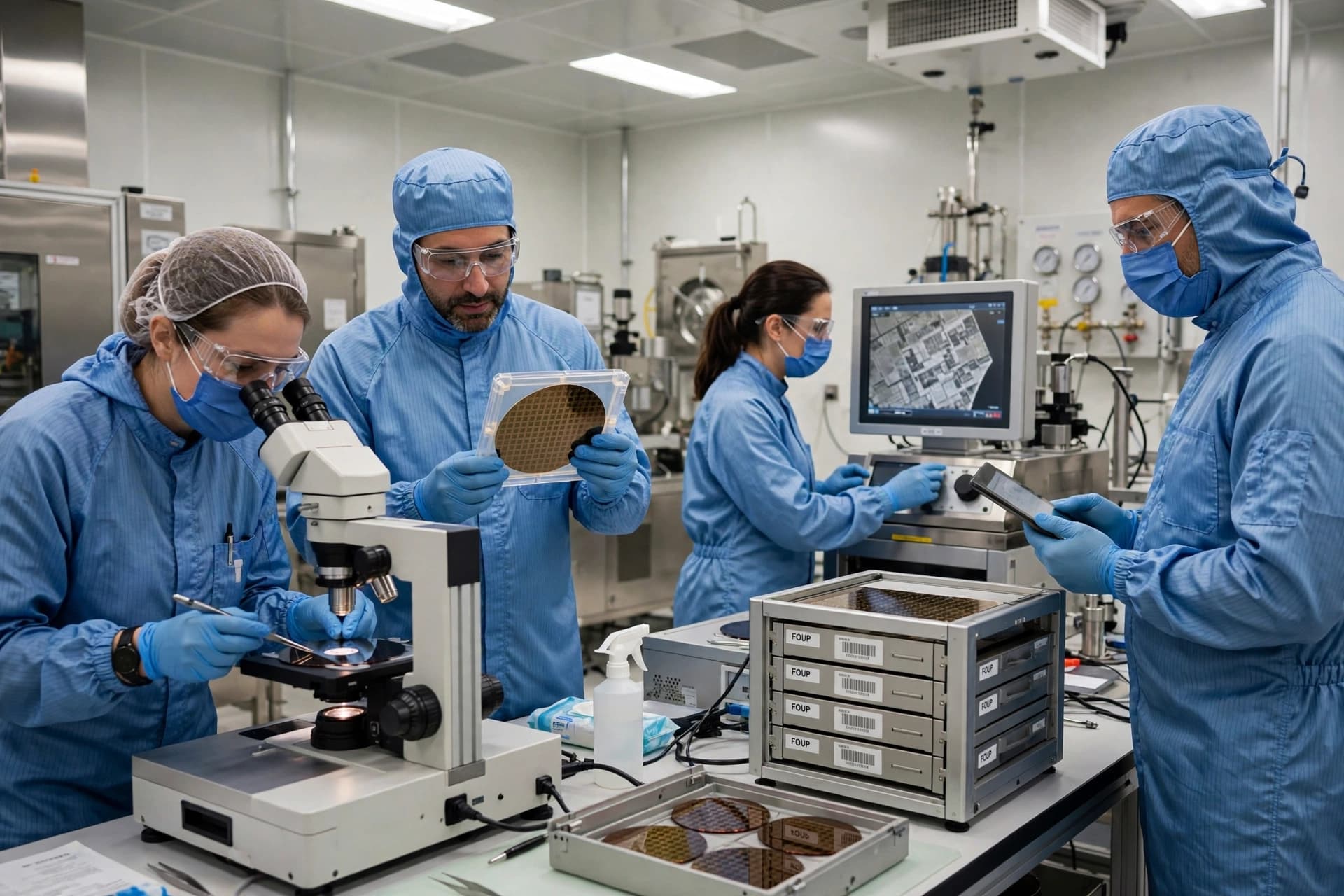
In recent years, however, the language of diagnosis has begun to change. Researchers have turned their attention from the clinic room to the bloodstream, searching for subtle signals that might appear long before confusion does. The finger-prick blood test now under study reflects this shift. Rather than relying on invasive spinal taps or costly brain imaging, scientists are exploring whether a few drops of blood can reveal proteins associated with Alzheimer’s pathology, particularly abnormal tau and amyloid markers.
Early findings suggest that these biomarkers can be detected with increasing accuracy, even in individuals who show only mild cognitive changes or none at all. The simplicity of a finger-prick carries symbolic weight. It suggests a future where screening could move beyond specialist centers and into primary care, community clinics, and underserved regions. Diagnosis, once bound to advanced infrastructure, may become more portable and more humane.
Yet the promise is not framed as certainty. Researchers emphasize that such tests are not standalone answers, but tools to guide further evaluation. A positive result may open the door to imaging, clinical assessment, or early intervention trials. In this sense, the test acts less as a verdict and more as a signpost, pointing clinicians toward closer observation rather than immediate conclusions.
The implications extend beyond medicine into daily life. Earlier diagnosis can allow families time to plan, patients time to participate in decisions, and health systems time to prepare support. It also reshapes research, enabling clinical trials to focus on earlier stages of disease, when treatments may have greater effect. Still, ethical questions remain, particularly around psychological impact, access, and interpretation.
As studies continue and validation expands, the finger-prick test remains a developing chapter rather than a final one. What it offers, quietly but meaningfully, is the possibility of meeting Alzheimer’s disease sooner, with clearer eyes and steadier hands. In clinical terms, researchers report improving accuracy and ongoing trials. In human terms, the hope is simpler: that earlier knowing may soften what cannot yet be cured
AI Image Disclaimer
Visuals are created with AI tools and are not real photographs.
Source Check (Credible Media & Journals)
Strong, credible sources exist for this topic:
1. Nature 2. The Lancet Neurology 3. Alzheimer’s Association 4. National Institutes of Health (NIH) 5. BBC News
Published by Banx Network. This article is part of the Banx decentralized media programme, powered by the BXE token on the XRP Ledger.