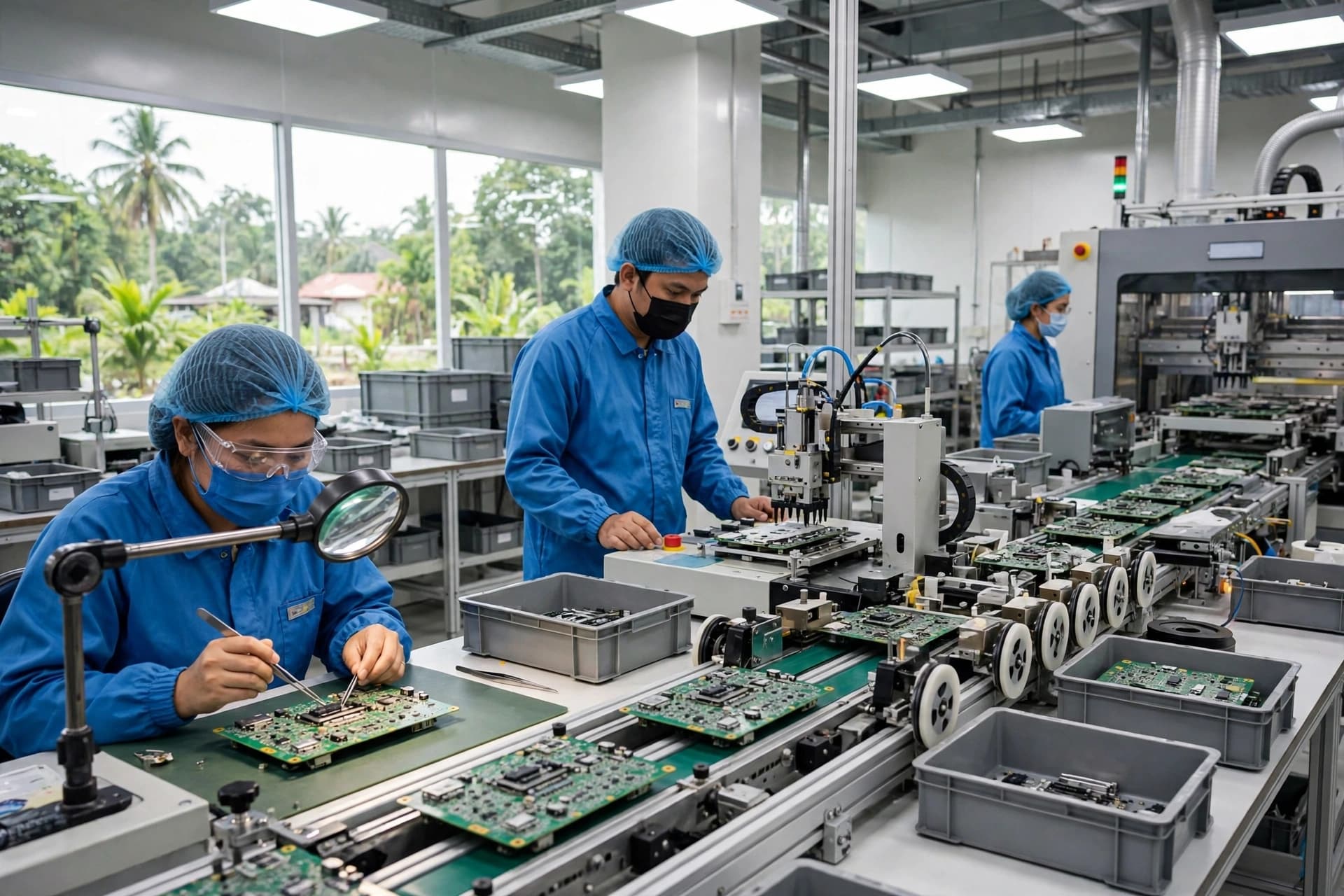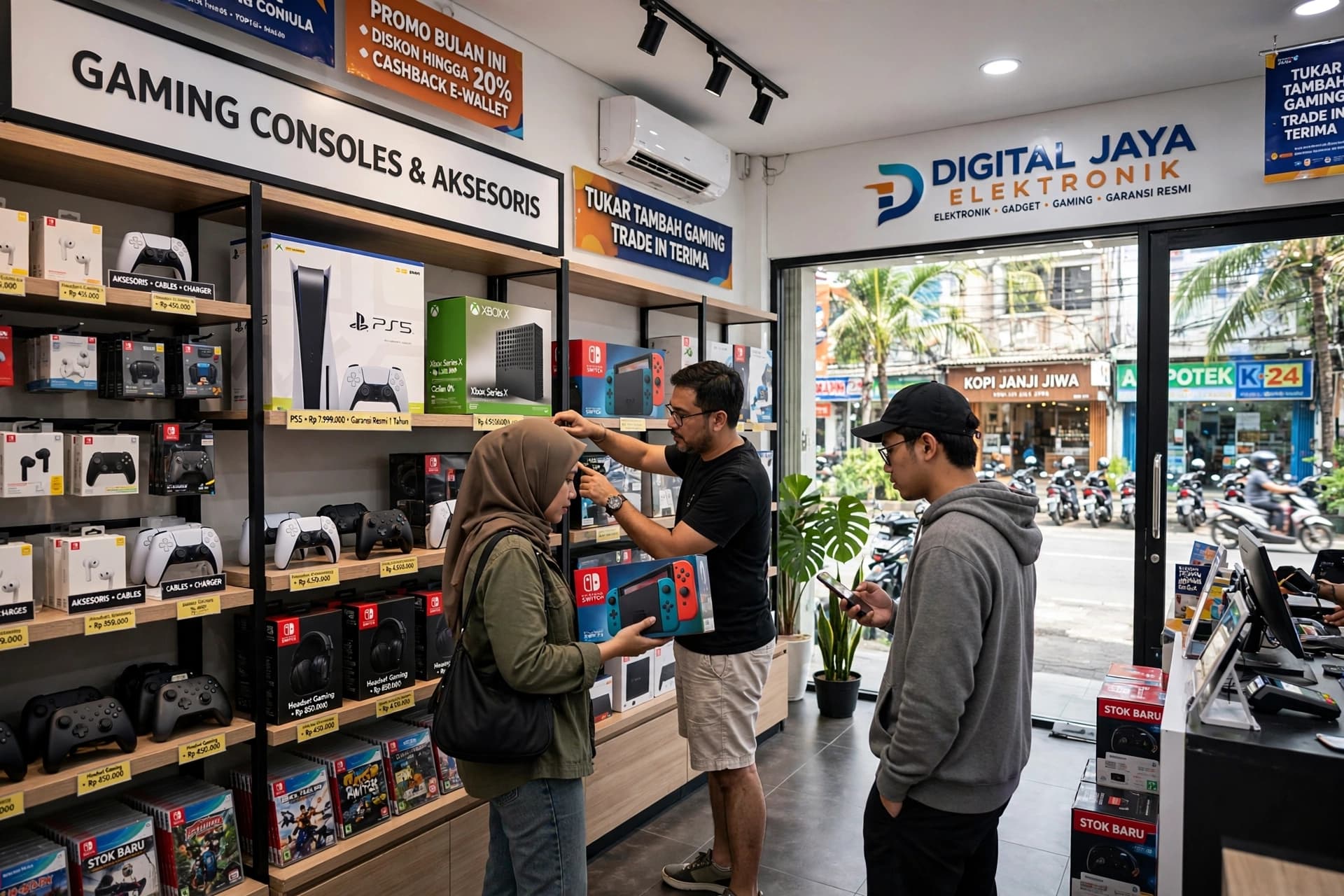
Across Indonesia, gaming has become part of an increasingly connected consumer culture, moving between smartphones, computers, consoles, and online communities. The country's large population and expanding digital economy have created a market that continues to attract global technology and entertainment companies.
Nintendo is preparing to enter that landscape more directly. The Japanese gaming company announced that it will launch its Switch consoles in Indonesia in December 2026, marking the company's first official console launch in the country.
The move gives Nintendo access to one of Southeast Asia’s largest economies and consumer markets. Indonesia’s large and relatively young population has helped create significant demand for digital entertainment, although smartphone gaming has historically occupied a much larger share of the market than dedicated game consoles.
For Nintendo, the official launch represents an opportunity to establish a more formal presence. An official market structure can provide consumers with clearer access to hardware, software, support, and distribution compared with purchasing products through unofficial channels.
The Switch platform has already developed a substantial global audience since its introduction, combining traditional television-based console gaming with portable play. That hybrid format has helped distinguish the system from conventional home consoles.
Indonesia presents a different commercial environment, however. Price sensitivity, import costs, currency movements, distribution networks, and consumer preferences can all influence the success of dedicated gaming hardware.
The company’s decision to enter the Indonesian market also comes as the global gaming industry becomes increasingly connected to broader technology trends. Digital distribution, online services, subscriptions, mobile gaming, and cloud-based technologies are changing how players obtain and experience games.
Nintendo has traditionally maintained a distinctive approach, emphasizing its own hardware, software franchises, and tightly integrated gaming experiences. Expanding official availability in Indonesia could therefore introduce more consumers to that ecosystem through an established local market structure.
The December launch will also be watched by retailers and distributors seeking to understand the scale of demand. The size of Indonesia's consumer base offers considerable potential, but the eventual market response will depend on pricing, availability, software support, and how well dedicated consoles compete with other forms of entertainment.
For Indonesian consumers, the announcement represents a new stage in access to Nintendo’s hardware. Beginning in December 2026, the company plans to make Switch consoles officially available in the country, extending its presence into a major Southeast Asian market.
AI Image Disclaimer The accompanying images were created using artificial intelligence as conceptual representations of Nintendo's planned Indonesian market entry and are not real photographs.
Sources Reuters Nintendo Nintendo Co., Ltd. Nikkei Asia ANTARA
Published by Banx Network. This article is part of the Banx decentralized media programme, powered by the BXE token on the XRP Ledger.