Water is the essence of life, yet it is often viewed merely as a solvent or a resource to be managed. In the realm of chemical engineering, however, water is a medium of infinite possibility, capable of hosting reactions that could revolutionize how we produce essential chemicals. A new breakthrough in electrode design allows for the efficient synthesis of hydrogen peroxide directly from natural water, bypassing the need for pure, distilled inputs and opening doors to more sustainable industrial processes.
Hydrogen peroxide is a versatile chemical used in everything from wastewater treatment to medical disinfection. Traditionally, its production involves energy-intensive processes that require high-purity water and generate significant carbon emissions. The new calcium-tolerant electrode strategy changes this paradigm by enabling the reaction to occur in untreated natural water, which often contains minerals like calcium that typically interfere with electrochemical processes.
The innovation lies in the material science behind the electrode. By designing surfaces that resist fouling and maintain catalytic activity in the presence of calcium ions, researchers have overcome a major barrier to using real-world water sources. This tolerance means that the technology can be deployed in diverse environments, from rural communities to industrial sites, without the need for extensive pre-treatment infrastructure.
This approach not only simplifies the production process but also enhances its sustainability. By eliminating the need for water purification, the energy footprint of hydrogen peroxide synthesis is significantly reduced. It aligns with broader goals of green chemistry, which seeks to minimize waste and energy use while maximizing efficiency and safety.
The potential applications are vast. In remote areas, this technology could provide a localized source of disinfectant, improving public health outcomes without relying on complex supply chains. In industrial settings, it could offer a cleaner alternative to traditional manufacturing methods, reducing the environmental impact of chemical production.
Moreover, the ability to use natural water expands the accessibility of this technology. It democratizes the production of a critical chemical, making it available to regions that lack the resources for high-tech purification systems. This inclusivity is a key aspect of sustainable development, ensuring that technological advancements benefit a wider population.
The research also highlights the importance of interdisciplinary collaboration. Combining insights from materials science, electrochemistry, and environmental engineering has led to a solution that is both technically robust and practically viable. It serves as a model for how integrated approaches can solve complex challenges in chemical manufacturing.
As this technology moves toward commercialization, it promises to reshape the landscape of chemical synthesis. It offers a glimpse into a future where industrial processes are more aligned with natural systems, using abundant resources efficiently and responsibly. It is a step toward a more circular and sustainable economy.
The development of calcium-tolerant electrodes for hydrogen peroxide synthesis marks a significant advancement in green chemistry. By enabling the use of natural water, it reduces energy consumption and expands access to essential chemicals. This innovation reflects a growing commitment to sustainability and efficiency in industrial processes.
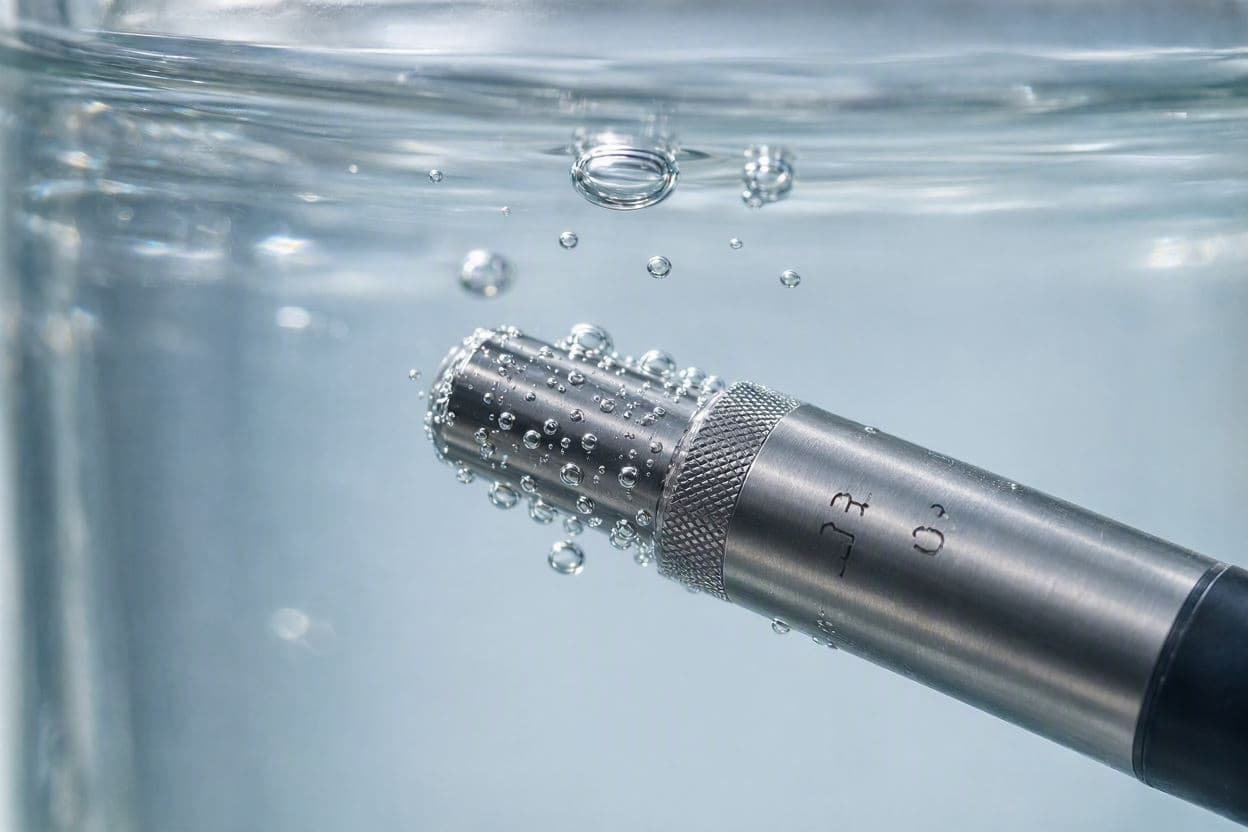
AI Image Disclaimer: Visuals accompanying this article are AI-generated representations designed to illustrate the concept of electrochemical synthesis and the clarity of natural water.
Sources: Nature Communications Chemical Engineering Journal ACS Catalysis
Published by Banx Network. This article is part of the Banx decentralized media programme, powered by the BXE token on the XRP Ledger.