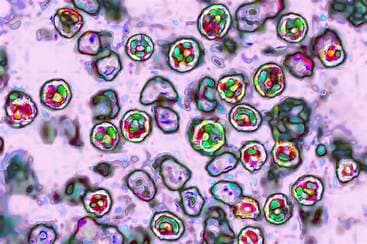
Medical progress often advances not in sudden leaps, but in steady steps taken behind hospital doors, where new methods quietly replace old habits. In Guangzhou, a city long associated with trade and innovation, hospitals are now becoming places where medicine begins to speak a more cellular language. Cells and genes, once confined to research papers and distant trials, are moving closer to patient bedsides.
Hospitals across Guangzhou have expanded the clinical use of cell and gene therapies, reflecting broader shifts in China’s biomedical landscape. These treatments, which involve modifying or introducing genetic material or engineered cells, are being applied to conditions ranging from certain cancers to rare inherited disorders. The expansion suggests not only scientific readiness, but also institutional confidence in managing complex therapies that require precision, monitoring, and specialized expertise.
The growth has been supported by improved laboratory infrastructure and increased collaboration between hospitals, universities, and biotechnology firms. Physicians are gaining experience with therapies such as CAR-T cell treatment, while regulatory pathways have become more clearly defined. For patients, this translates into earlier access to advanced options that previously required travel abroad or enrollment in limited trials.
Still, the pace remains deliberate. Cell and gene therapies demand careful patient selection and long-term follow-up. Hospitals emphasize safety, cost management, and ethical oversight as these treatments move beyond experimental use. Training programs and multidisciplinary teams have become central, recognizing that innovation must be carried by people as much as by technology.
Guangzhou’s expansion also reflects a global moment. Around the world, health systems are testing how far personalized medicine can extend within public and private care. The city’s hospitals are not positioned as outliers, but as participants in an international recalibration of how disease is treated at its biological roots.
In closing, hospital officials report continued investment and gradual scale-up rather than rapid transformation. The use of cell and gene therapies in Guangzhou is expanding, guided by regulation and clinical evidence. It marks another measured step in how modern medicine is practiced, observed not with spectacle, but with sustained attention.
AI Image Disclaimer
Illustrations were produced with AI and serve as conceptual depictions.
Source Check (Credible Media & Journals)
1. Nature Medicine 2. The Lancet 3. South China Morning Post 4. World Health Organization (WHO) 5. China Daily
Published by Banx Network. This article is part of the Banx decentralized media programme, powered by the BXE token on the XRP Ledger.