Opening Article: In the quiet hours before dawn, when the last glimmers of night fade and the first whispers of sunlight stretch toward a new horizon, industries are often reshaped by subtle shifts — a ripple on the surface that, over time, becomes a defining current. In the world of technology, such currents rarely roar; they begin as soft movements in boardrooms and labs, where engineers and strategists ponder what comes next. For Qualcomm, long known as a steward of the mobile age, those early ripples are now stretching outward, hinting at a journey that may redefine how the company engages with the unfolding future of computing and artificial intelligence.
Much like a quiet stream that decides to explore wider valleys, Qualcomm’s ambitions are reaching beyond the familiar contours of smartphone chips toward new terrains where artificial intelligence, personal computing, and robotics intertwine. This emerging narrative is not about abandoning the old paths but about gently exploring the roads that branch outward — landscapes where silicon meets thought, mechanics meets emotion, and the devices we use daily become more than conduits of communication.
Body Article: At its core, Qualcomm’s journey beyond phones reflects a thoughtful response to a technological dawn in which artificial intelligence is not just a feature but the very fabric of computing. The company has been signaling its intentions for some time, weaving together strategic moves across PCs, AI data centers, and even robotics — each a chapter in an evolving story. Through earnings calls and industry events, executives and analysts alike have described this expansion as both an opportunity and a deliberate embrace of change, as the company applies its deep expertise in efficient computing to the demands of tomorrow’s machines and workloads.
In recent quarters, Qualcomm has drawn attention for its emerging role in AI PCs, where its silicon — once confined to smartphones — is now positioned to power advanced personal computing experiences with native AI capabilities. This is part of a larger trend where compute platforms increasingly blend hardware and intelligence, enabling devices to interact with us more intuitively and contextually. As Qualcomm’s leaders reflect on these developments, they often frame them not as departures from tradition but as extensions of a long-held belief in expanding technological potential.
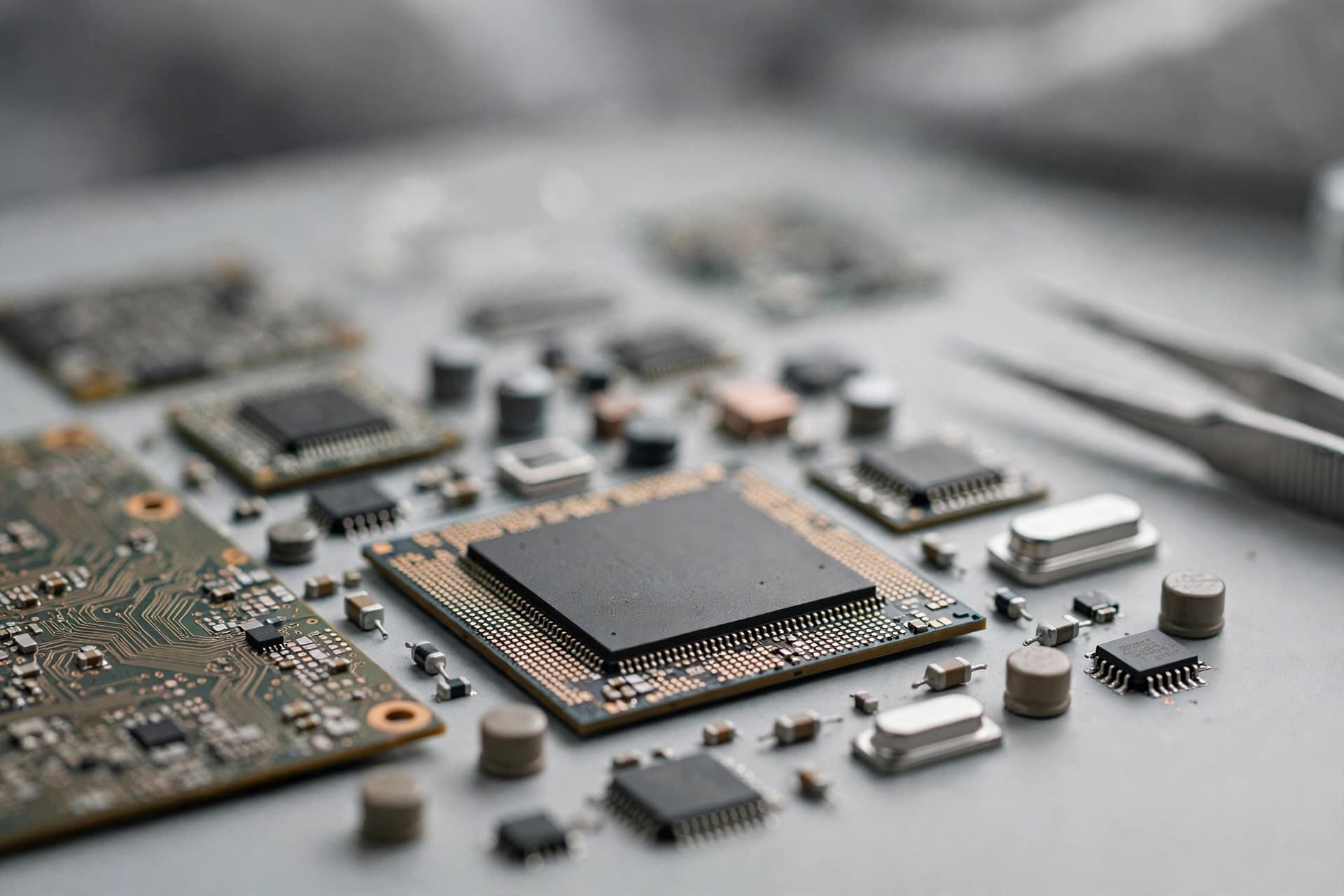
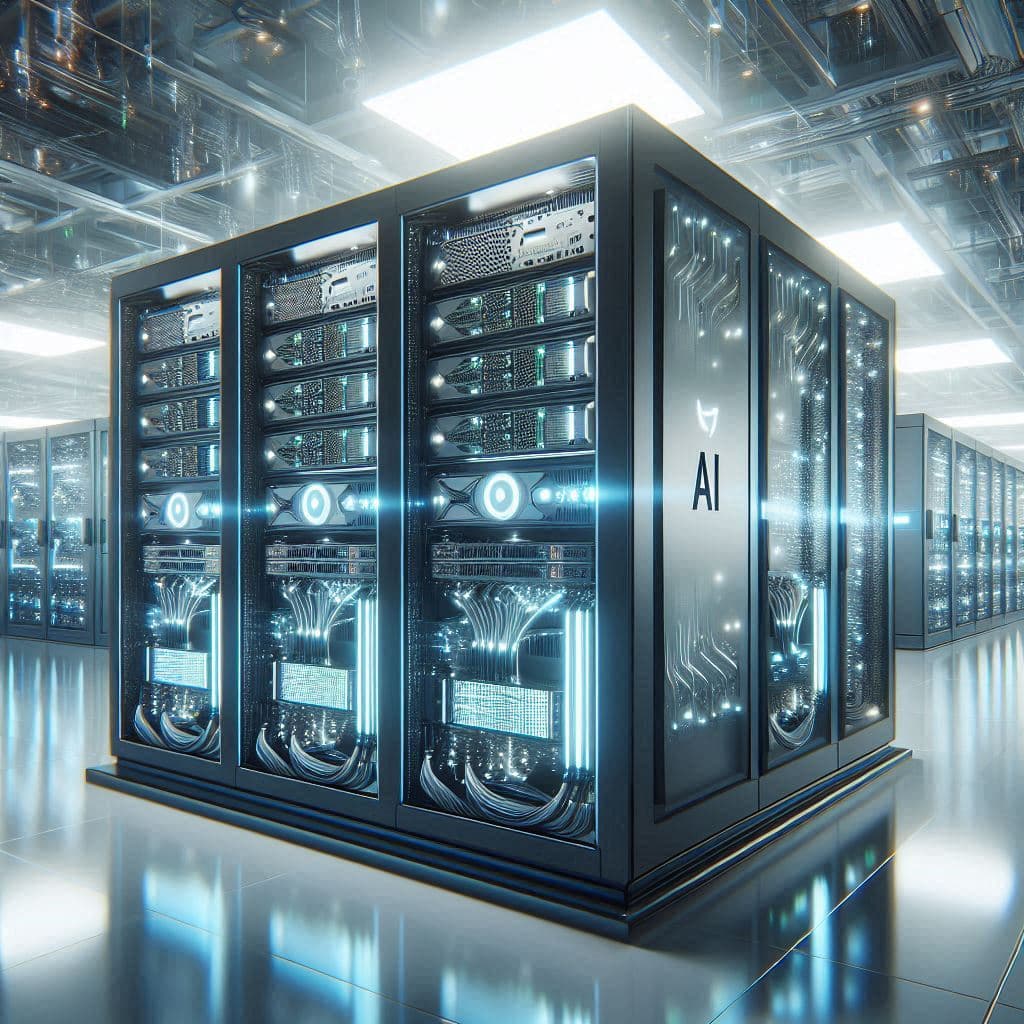
Beyond PCs, Qualcomm’s ambitions also reach into the realm of data centers — the silent engines that power artificial intelligence across industries. With the unveiling of its AI200 and AI250 chips tailored for AI inference workloads, the company is gently staking its claim in a domain historically dominated by large players. These chips — designed for efficiency, memory capacity, and adaptability — are emblematic of Qualcomm’s philosophy: thoughtful engineering that strives to marry performance with practicality. The implications, analysts suggest, could provide a broader palette of choice for enterprises seeking alternatives in AI infrastructure.
And then there is the idea of robotics — spaces where physical intelligence intersects with machine perception and action. Qualcomm’s work to introduce robotics-centric technologies hints at a future in which autonomous systems benefit from the same kind of energy-efficient, context-aware processing that has become commonplace in modern smartphones. In this narrative, robots that once seemed distant from everyday life may draw closer, animated by chips that know how to balance power and purpose with grace.
Throughout these explorations, Qualcomm’s story resonates with a measured determination — not a rush to reinvent overnight, but a reflective unfolding of capabilities across diverse fields. It’s a story that doesn’t clamor for attention with bluster, but one that invites thoughtful consideration of how computing might evolve when artificial intelligence becomes a common thread woven into every device, system, and workflow.
Closing Article: In the gentle cadence of technological evolution, Qualcomm’s expansion beyond phones into AI PCs, data centers, and robotics marks a noteworthy chapter. With new chips designed for AI workloads, an eye toward hybrid computing, and strategic engagements across industries, the company’s path reflects both continuity and change. As these efforts unfold in the months ahead, the broader tech ecosystem will be watching how this diversification shapes the future of intelligent computing.
AI Image Disclaimer “Illustrations were produced with AI and serve as conceptual depictions.”
Source Check Credible Sources Found:
Digitimes Asia Futurum Group PYMNTS 247wallst.com Constellation Research
Published by Banx Network. This article is part of the Banx decentralized media programme, powered by the BXE token on the XRP Ledger.