Opening: In the fragile architecture of international peace, the declaration that a ceasefire is "over" can shatter the calm in an instant. Recent reports confirm that the United States has launched new military strikes on Iranian targets, following statements by former President Donald Trump regarding the end of hostilities’ pause. This escalation marks a troubling return to tension in a region that has long struggled to find lasting stability, reminding the world of the precarious nature of diplomatic truces.
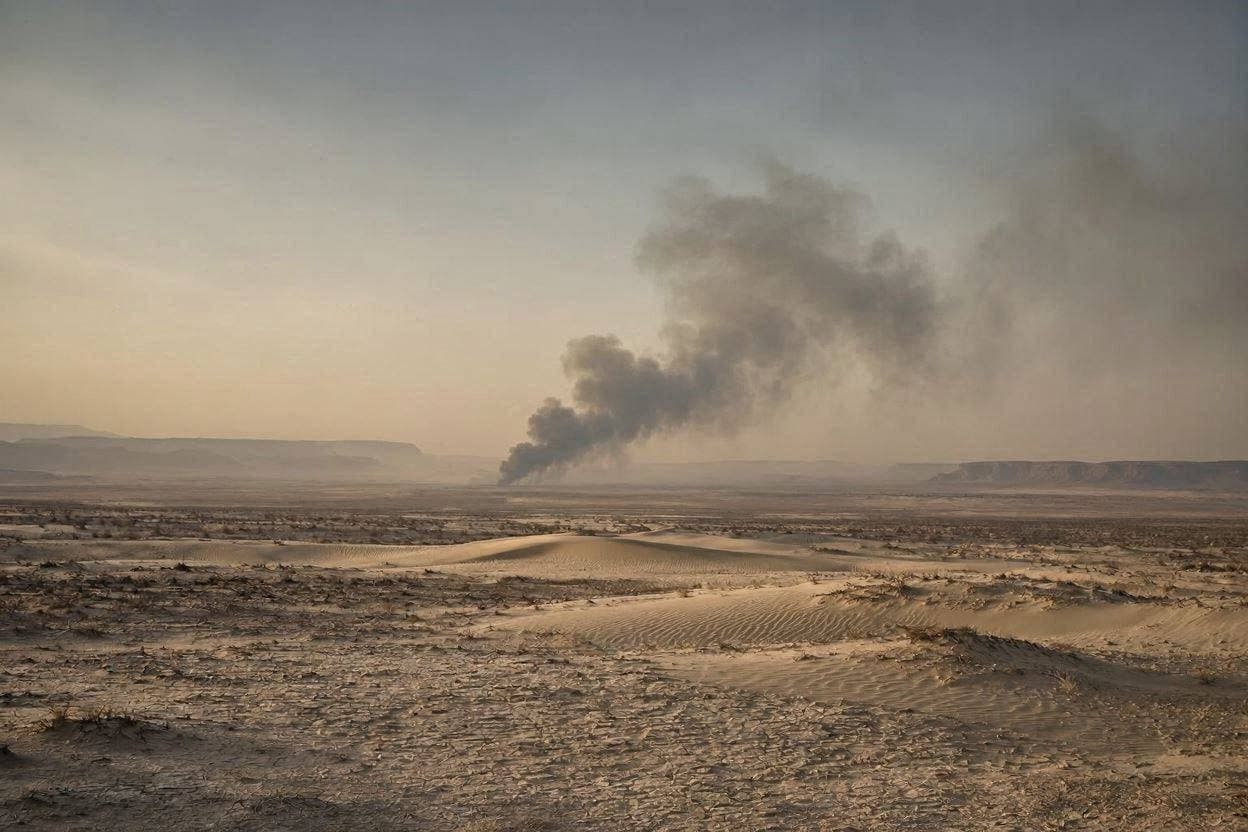
Body: The strikes, confirmed by military officials, targeted specific facilities linked to Iran’s military capabilities. The decision to resume offensive actions comes after a period of relative quiet, during which hopes for a negotiated settlement had begun to grow. However, the breakdown in communication and the hardening of positions on both sides led to this renewed conflict. The immediate impact includes heightened alert levels across the Middle East and concerns about broader regional involvement.
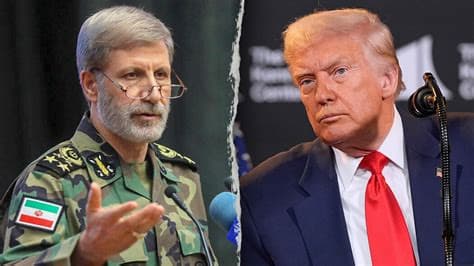
Trump’s assertion that the ceasefire was no longer valid served as a catalyst for the military response. His influence on current policy, whether direct or indirect, highlights the complex interplay between past administrations and present actions. For many observers, this development underscores the volatility of agreements made without robust institutional support. When political leadership shifts, so too can the commitment to peace.
Iran has condemned the strikes as a violation of sovereignty and a threat to regional security. Official statements from Tehran vow a proportional response, raising fears of a tit-for-tat cycle that could spiral out of control. The rhetoric from both capitals has grown sharper, leaving little room for de-escalation in the short term. Diplomatic channels, though strained, remain open as mediators seek to prevent a wider war.
The humanitarian cost of such conflicts is always profound, even when targets are military. Disruptions to daily life, economic instability, and the psychological toll on civilians are immediate consequences. International aid organizations are monitoring the situation closely, prepared to assist those affected by the violence. The human element of war, often obscured by strategic analysis, remains the most tragic aspect of these events.
Global markets have reacted with caution, as oil prices fluctuate in response to the news. The interconnectedness of the global economy means that instability in the Persian Gulf can have ripple effects far beyond the region. Governments and businesses are reviewing their contingency plans, aware that prolonged conflict could disrupt supply chains and energy supplies.
As the situation unfolds, the international community calls for restraint and dialogue. The United Nations and other multilateral bodies are urging both sides to return to the negotiating table. The path to peace is difficult, but it remains the only viable option for long-term security. The current escalation serves as a stark reminder of the costs of failed diplomacy.
Closing: New US strikes on Iran following the declaration that the ceasefire is over have escalated tensions in the Middle East. The international community urges restraint and a return to dialogue to prevent further conflict and humanitarian suffering.
AI Image Disclaimer: Images associated with this article are AI-generated illustrations meant to reflect the gravity of military conflict and the urgency of diplomatic resolution.
Sources: Reuters Associated Press Al Jazeera CNN
Published by Banx Network. This article is part of the Banx decentralized media programme, powered by the BXE token on the XRP Ledger.