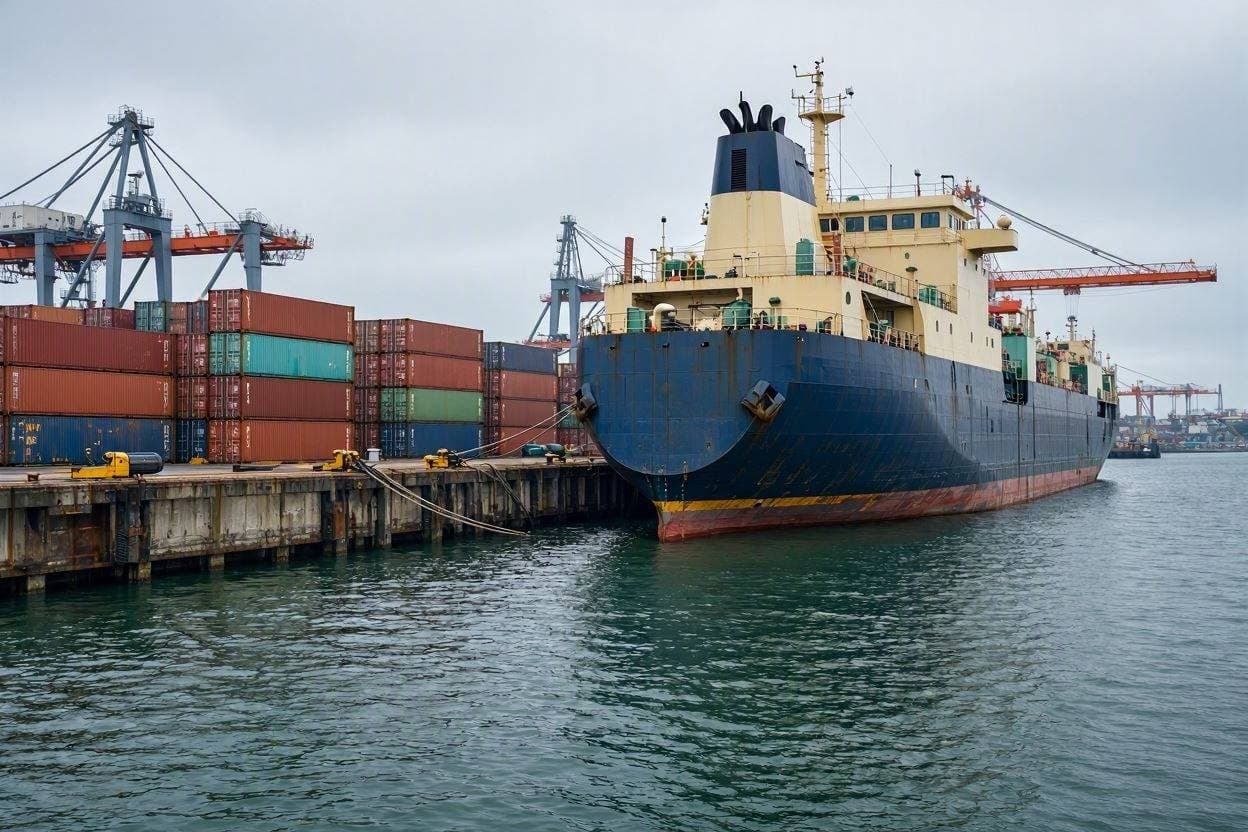
The sea has long been a conduit for trade, carrying goods and animals across waters that separate nations. For decades, Brittany Ferries has been a key player in this maritime network, transporting livestock between the UK, France, and Spain. However, a significant shift is on the horizon. The company has announced that it will cease the transport of live animals starting in September, a decision that reflects changing ethical standards and economic realities. This move marks the end of an era for a controversial practice, signaling a broader transformation in the agricultural supply chain.
The decision was confirmed by Mark Heydon, a senior executive at Brittany Ferries, who cited growing public concern and regulatory pressure as key factors. The transport of live animals over long distances has faced increasing scrutiny from animal welfare groups, who argue that it causes unnecessary suffering. By ending this service, Brittany Ferries aligns itself with a growing movement toward more humane treatment of animals in the food industry. It is a strategic pivot that balances corporate responsibility with market demands.
For farmers and exporters, the change presents both challenges and opportunities. Those who relied on ferry transport for live cattle and sheep must now adapt to new logistics, such as exporting meat rather than live animals. This shift, often referred to as "carcass trade," is seen by many as a more efficient and ethical alternative. It reduces the stress on animals and lowers the risk of disease transmission during transit. However, it requires investment in processing facilities and cold chain infrastructure.
The environmental impact of the decision is also noteworthy. Transporting meat instead of live animals can reduce the carbon footprint associated with feeding and watering livestock during journeys. It aligns with broader sustainability goals that many companies are adopting. Brittany Ferries’ move may encourage other operators to follow suit, creating a ripple effect across the industry. The maritime sector is gradually evolving to meet these new expectations.
Reaction from animal welfare organizations has been overwhelmingly positive. Groups like Compassion in World Farming have campaigned for years to end live exports, viewing this announcement as a major victory. They argue that it sets a precedent for other countries and companies to reconsider their practices. The momentum for change is building, driven by consumer awareness and political will.
Economically, the transition may cause short-term disruption for some stakeholders. However, long-term benefits include improved animal welfare standards and potentially higher value-added products. The UK and EU governments are also reviewing regulations on live exports, suggesting that policy changes may reinforce market trends. The end of livestock transport by Brittany Ferries is part of a larger structural shift.
Brittany Ferries’ decision to stop transporting live animals is a significant development in the agricultural and maritime sectors. It reflects a growing consensus on the need for humane and sustainable practices. As September approaches, the industry prepares for a new chapter, one defined by ethical considerations and modern logistics.
AI Image Disclaimer: The images provided are AI-generated to visually represent the maritime and agricultural aspects of the story.
Sources: Farmers Weekly The Guardian BBC News
Published by Banx Network. This article is part of the Banx decentralized media programme, powered by the BXE token on the XRP Ledger.