Imagine an ordinary act of kindness — reaching out to save a kitten — and then imagine how that quiet, human moment can ripple outward in ways no one foresaw. In late 2024 a donor who had tried to protect a small animal was later found to have been scratched by a skunk. Weeks after that scratch, the donor became gravely ill and was declared brain dead; several organs and tissues were donated. What seemed an act of mercy thus set in motion a chain of events that, only after the fact, revealed a rare and tragic danger.
In January 2025 clinicians in Ohio notified public health authorities after a kidney-transplant recipient developed symptoms that matched rabies — fever, confusion, difficulty swallowing and the classic hydrophobia — and died roughly seven days after hospitalization. Postmortem testing confirmed rabies infection in the recipient, and an investigation traced the virus back to the organ donor, who had been scratched by a skunk weeks before his death. The CDC describes this as a transplant-transmitted human rabies case and places it among the very small number of similar events in U.S. history.
Public reporting fills out the human details. Local and national outlets say the donor was from Idaho and had been scratched while holding a kitten; the skunk that attacked likely carried a rabies strain originally associated with bats, creating an unusual cross-species chain of transmission. The donor’s corneas were recovered and at least some ocular grafts were later intercepted or recipients were monitored and given preventive treatment. Officials emphasize that such transmission by organ transplant is extremely rare, but the case has triggered thorough contact tracing and reassessment of exposure histories.
The CDC report notes that investigators interviewed family members and reviewed the donor risk assessment interview; family recollection provided the critical detail of the skunk scratch that had not been fully captured earlier. Authorities identified hundreds of potentially exposed health-care contacts and dozens of community contacts for risk evaluation; a handful of people were recommended to receive rabies post-exposure prophylaxis. Health officials say the event is a prompt to revisit how donor screening captures unusual animal exposures that might not be recognized at the time of organ recovery.
For clinicians and the public, the takeaways are sober and narrow: rabies remains extremely rare in humans in the United States, and organs are screened carefully for many infectious agents — but not routinely for rabies because clinical signs can be nonspecific and exposure histories may be incomplete. The CDC and hospital investigators stress that transplant-transmitted rabies is exceptional, yet they also underline the importance of thorough donor histories and rapid communication when unexplained neurologic illness appears after transplantation.
The family grief is private; the public health response is visible. Authorities conducted multistate tracing, informed recipients or intended recipients of corneal tissue, offered prophylaxis where appropriate, and have published findings so other clinicians can recognize possible transplant-associated rabies sooner. The medical community will likely review donor questionnaires and procedures to better capture unusual animal exposures — even those that, at first glance, seem unlikely to pose a threat.
Above all, the episode is a reminder of how medicine operates at the intersection of human compassion and biological risk: the impulse to help another person — to become an organ donor — is noble, and the systems built to honor that gift must continually learn from rare events so that similar tragedies can be averted in the future.
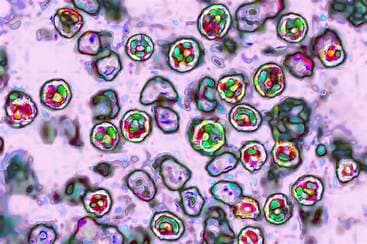
AI image disclaimer “Images in this article are AI-generated illustrations, meant for concept only.”
Sources CDC (MMWR), The Guardian, Scientific American, Fox News, Idaho Statesman.
Published by Banx Network. This article is part of the Banx decentralized media programme, powered by the BXE token on the XRP Ledger.