In the high-stakes arena of geopolitics and minerals, a rare-earth mine in Tanzania once held the promise of breaking China’s almost unchallenged grip on critical minerals. But despite ambitions for a “China-free” supply chain, the mine has quietly ended up in Beijing’s hands.
Peak Rare Earths, an Australian mining company, first discovered this rich Tanzanian deposit in 2010. The vision was bold and strategic: to extract the ore in Africa, ship it for processing to the United Kingdom, and establish an integrated supply line outside of Asia. Yet, over more than a decade of effort, financial and political headwinds crept in. Western governments — called upon to underwrite this strategic asset — were reluctant. According to company insiders, repeated overtures for funding went unanswered.
Meanwhile, China already held deep influence in the global rare-earth market, especially in refining and processing. Low global prices (thanks largely to Chinese oversupply) made it difficult for Peak to raise the capital needed to develop the mine independently. The company’s leadership persisted in its commitment — even after Chinese firm Shenghe Resources acquired a significant stake. But in 2022, Peak agreed to a deal with Shenghe: for seven years, between 75% and 100% of the mine’s output would go to Shenghe.
That alignment with Shenghe made it even harder to secure backing from Western institutions. Regulators and investors increasingly saw Peak as entwined with China — weakening its original “China-free” narrative. At a critical moment, Peak had a final chance: a U.S. private equity firm, General Innovation Capital Partners, submitted a nonbinding offer that reportedly exceeded Shenghe’s. But concerns lingered — about the firm’s mining track record and credibility — and Peak ultimately rejected the bid, citing contractual obligations.
In mid-2025, Shenghe made a full takeover bid for Peak at a steep premium. The deal closed, and Peak was delisted from the Australian stock market. Analysts say this acquisition is emblematic of China’s broader strategy: buying up promising rare-earth deposits where possible, leveraging its deep state-backed capital, and steadily securing global control.
This isn’t an isolated case. In Greenland, for example, Western officials lobbied aggressively to prevent a major rare-earth deposit from being sold to Chinese-linked firms. But despite the pressure, China-linked interests remain deeply embedded in key global projects.
Why did the crusade fail? Part of the answer lies in economics: China’s state-backed companies can outbid rivals. Part lies in politics: Western governments struggled to provide consistent strategic investment. And part lies in timing: when rare-earth prices dipped, investors pulled back. The result is clear: a mine once seen as a safeguard against China’s dominance is now another piece of Beijing’s rare-earth puzzle.
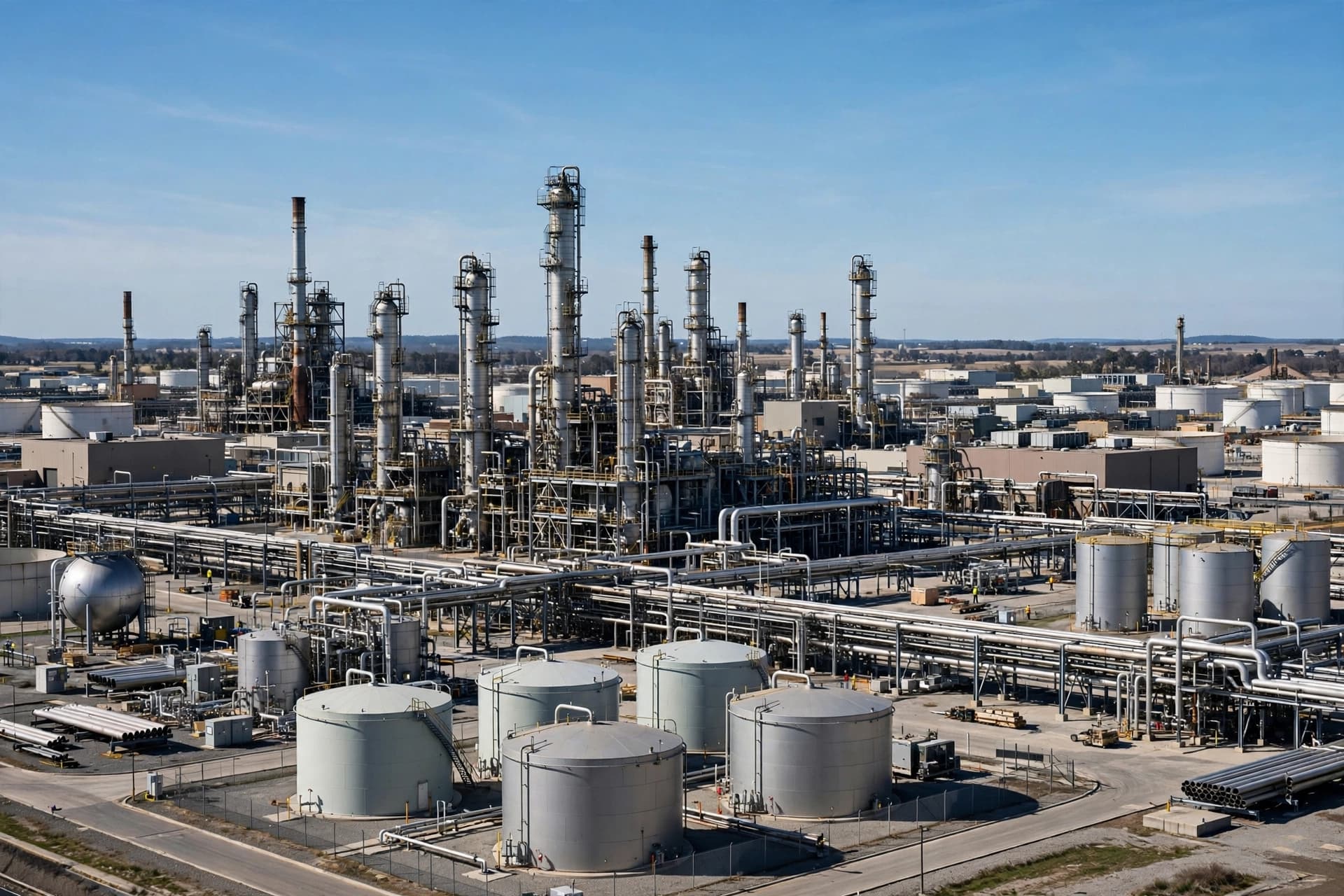
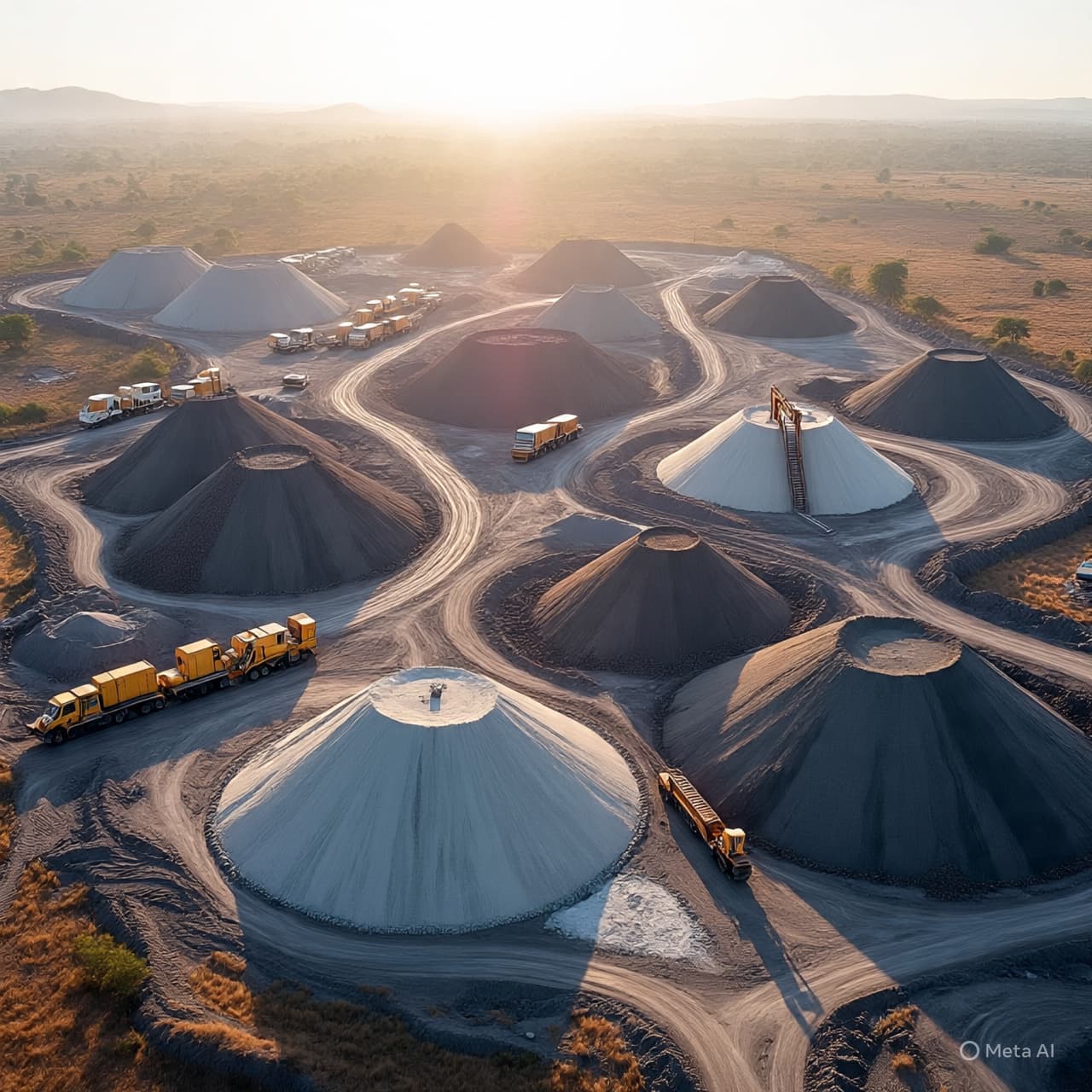
AI Image Disclaimer “Visuals are AI-generated illustrations, intended for conceptual representation rather than actual photographs.”
Sources: The Wall Street Journal (WSJ) LiveMint Mining-Technology DIIS (Danish Institute for International Studies) Wikipedia
Published by Banx Network. This article is part of the Banx decentralized media programme, powered by the BXE token on the XRP Ledger.