The traditional classroom has always been shaped by the tools available to students. Pens changed writing, calculators changed mathematics, and computers changed research. Generative artificial intelligence is now entering that same space, but with a difference: it can produce text, summarize information, translate passages, and answer questions almost instantly.
Across France, teachers and educational institutions are increasingly confronting the question of how these systems should fit into student life. The issue is not simply whether students use AI, but how education should respond when producing an essay or solving an assignment can involve a conversation with a machine.
French schools and universities have been discussing the use of generative AI as its popularity among students grows. The technology can help students understand difficult subjects, organize ideas, or explore different explanations, but it can also make traditional homework assignments harder to use as straightforward evidence of individual work.
For teachers, that creates a new challenge. An essay that appears polished may have been written entirely by a student, partly generated by AI, or produced almost completely by an automated system and then lightly edited.
Detection tools have been proposed in different educational settings, but identifying AI-generated writing reliably remains difficult. Text can be modified after generation, while students can also use AI for brainstorming or language assistance without submitting its output directly.
The debate therefore increasingly involves assessment itself. Instead of relying exclusively on take-home written assignments, some educators are considering more oral examinations, classroom writing, project-based work, and assignments that require students to explain how they reached their conclusions.
There is also a more constructive side to the technology. Properly used, generative AI can act as a supplementary learning tool. Students can ask for explanations of unfamiliar concepts, practice languages, compare approaches to a problem, or receive help organizing research questions.
That potential is accompanied by another concern: students need to understand that an AI system can produce convincing information that is incomplete or incorrect. Learning how to verify information may therefore become as important as learning how to generate it.
For French education, the arrival of generative AI is consequently not simply a technological issue. It touches on the purpose of assignments, the meaning of originality, the role of teachers, and the skills students will need after graduation.
The classroom is unlikely to return to a world without these systems. The more immediate question is how schools and universities can establish clear practices that preserve learning while teaching students to use a powerful new tool with understanding and responsibility.
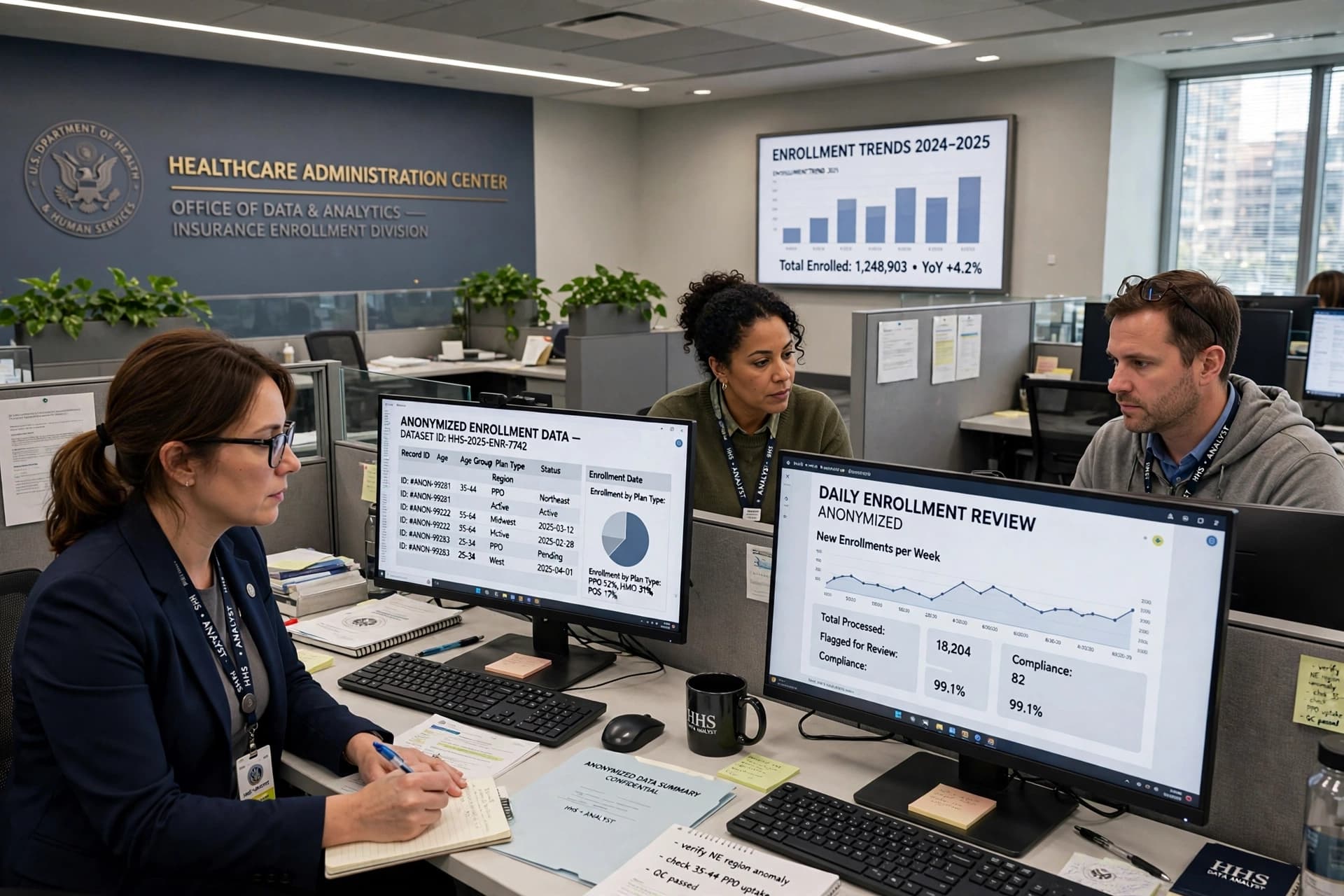
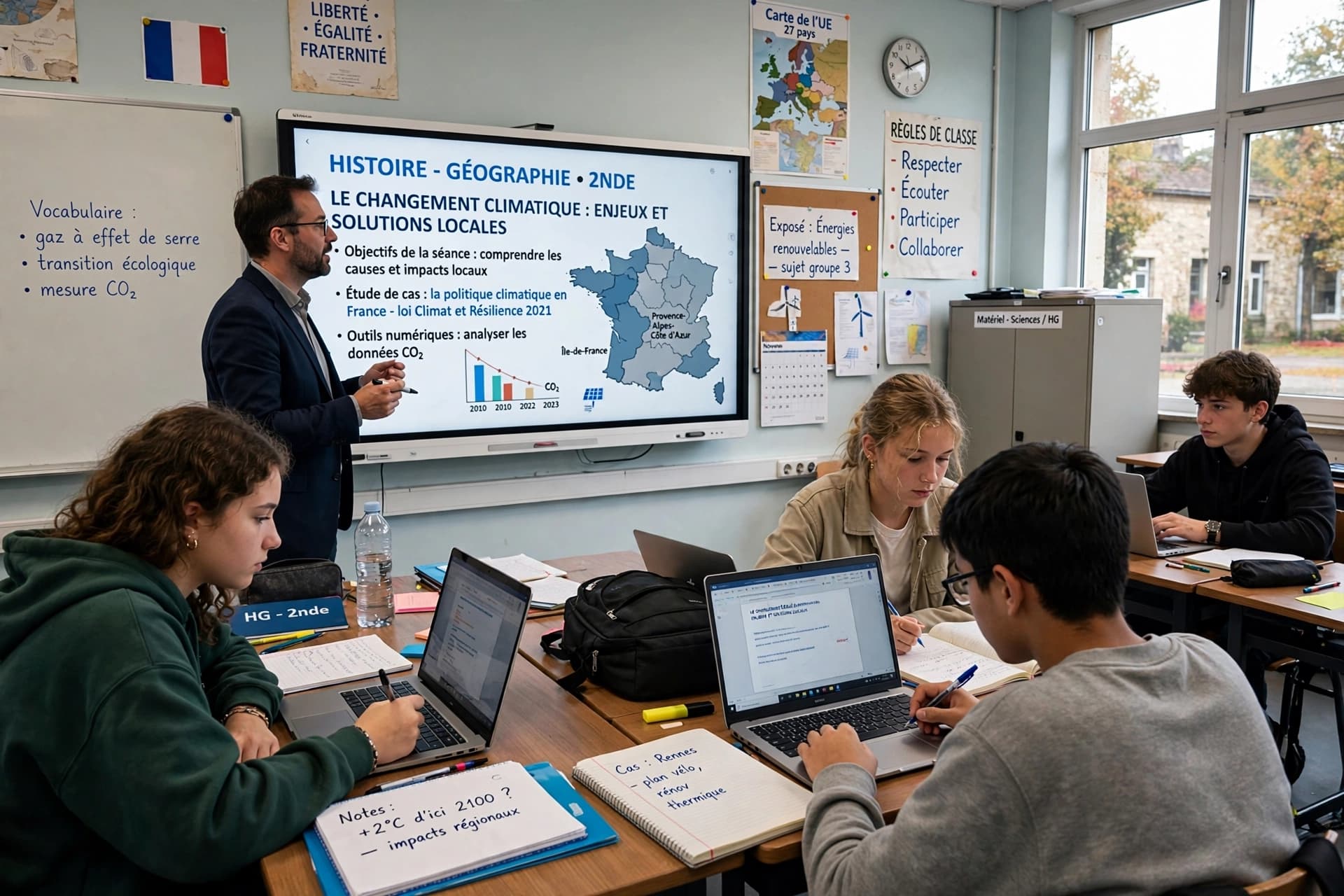
AI Image Disclaimer The accompanying visuals were generated with AI as conceptual illustrations and are not photographs of actual French students or educational institutions.
Published by Banx Network. This article is part of the Banx decentralized media programme, powered by the BXE token on the XRP Ledger.