There are few pastimes that can rival the gentle patience it takes to spot a warbler as it flits between branches or to hear a woodpecker’s tap echo through the trees. For those who practice the art of birdwatching — sometimes called “birding” — the hobby begins as a quiet communion with nature, a story of observation and wonder. Yet as recent research reveals, this story may have another layer — one written not just in feathers and songs, but in the very structure of the human brain.
Birdwatching, in its most attentive form, calls for a unique blend of skills: keen perception that distinguishes tiny field marks, sustained focus that tracks movement through foliage, and an intricate memory that catalogs myriad species and behaviors. In a new study comparing expert birders with beginners, neuroscientists found that those deeply immersed in the hobby exhibited measurable differences in their brains — not just in function, but in structure as well. These changes, associated with attention and perception, may hint at cognitive benefits that extend beyond simply recognizing a rare finch.
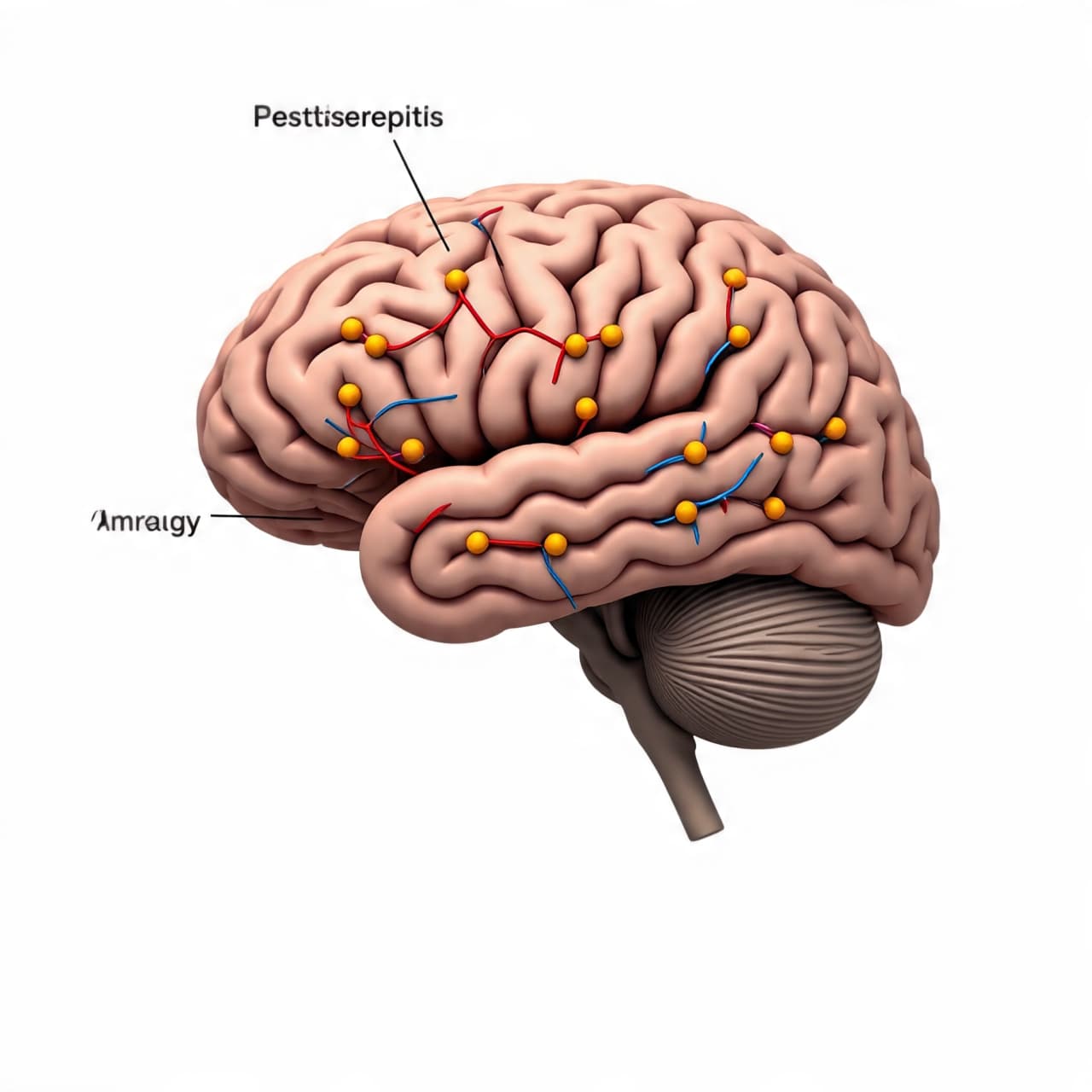
The researchers, led by Erik Wing and colleagues, enrolled 29 expert birdwatchers and matched them with 29 novices of similar age and sex. Using diffusion‑weighted MRI scans, they observed that the brains of experienced birders showed lower mean diffusivity — a sign of more compact and efficient tissue — in regions involved with attention, perception, and memory. In other words, the neural “wiring” in these areas appeared more densely organized, suggesting that years of birdwatching may nurture tighter connections and greater processing efficiency.
This structural compactness correlated with behavioral performance: experts were better at identifying bird species, including those unfamiliar to their local region, hinting that their refined neural networks could support both recognition and flexible learning. In functional MRI tests, the same brain regions lit up when experts were challenged with identifying nonlocal birds, revealing how their brains deploy attention and pattern‑matching skills honed over years of field experience.
Perhaps most intriguingly, these neural differences were not limited to younger adults. Older birders retained these structural advantages into later life, raising the possibility that engaging in complex cognitive activities might help preserve aspects of brain health as we age. While the study does not claim that birdwatching prevents cognitive decline, it suggests that long‑term engagement in perceptual, memory‑rich pursuits may contribute to what scientists call cognitive reserve — the brain’s resilience against age‑related changes.
Birdwatching is not merely about spotting birds; it’s about reading the environment and weaving sensory cues into a coherent pattern of understanding. Whether tracking movement, recalling similar sightings, or comparing field notes with fellow birders, the activity unfolds as an ongoing challenge to attention, memory, and decision‑making. These layers of cognitive demand may be why the brains of expert birders exhibit traits associated with sharper processing and richer connectivity.
Scientists emphasize that these findings emerge from cross‑sectional comparisons rather than long‑term tracking. That means it remains possible that people with inherently sharper perceptual and cognitive skills gravitate toward birdwatching in the first place. Yet, the idea that sustained engagement with complex, nature‑based hobbies can sculpt neural pathways aligns with broader research on neuroplasticity — the brain’s remarkable capacity to adapt based on experience.
In many ways, birdwatchers embody a living metaphor for how human cognition unfolds: attentive, patient, and ever‑ready to learn. What begins with binoculars and field guides may extend into nuanced changes in the mind itself, a quiet testament to how experience shapes structure.
In straight news terms: a study published in the Journal of Neuroscience reports that expert birdwatchers show differences in brain structure — particularly in areas related to attention and perception — compared with novices. These differences correlate with better bird‑identification performance and persist into older age, suggesting potential cognitive benefits associated with long‑term birdwatching expertise.
AI Image Disclaimer Illustrations were produced with AI and serve as conceptual depictions.
Sources Society for Neuroscience/Medical Xpress reporting on expert birders’ brain structure, Neuroscience News summary, NBC News‑derived coverage of brain density and expert birdwatching cognition benefits
Published by Banx Network. This article is part of the Banx decentralized media programme, powered by the BXE token on the XRP Ledger.