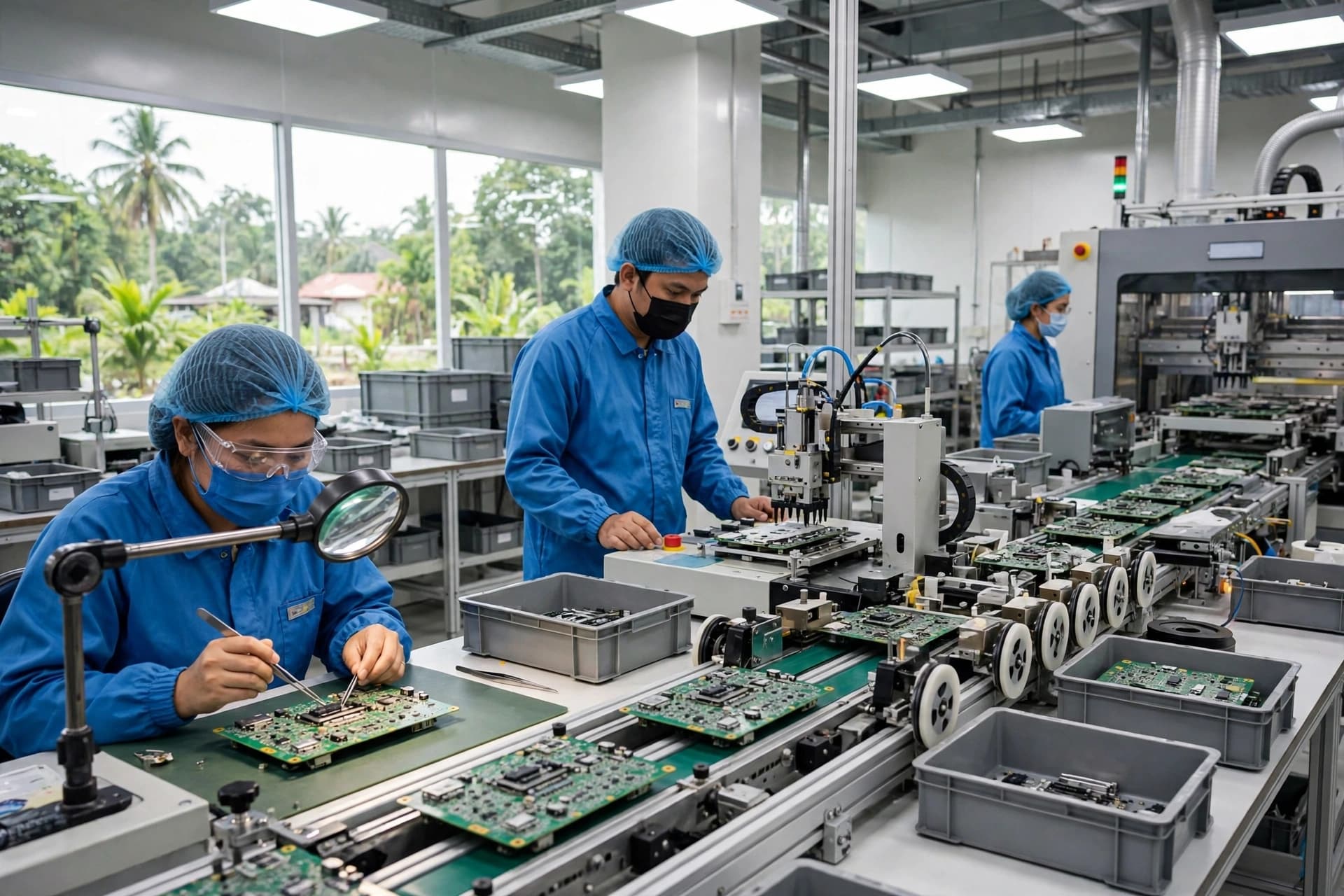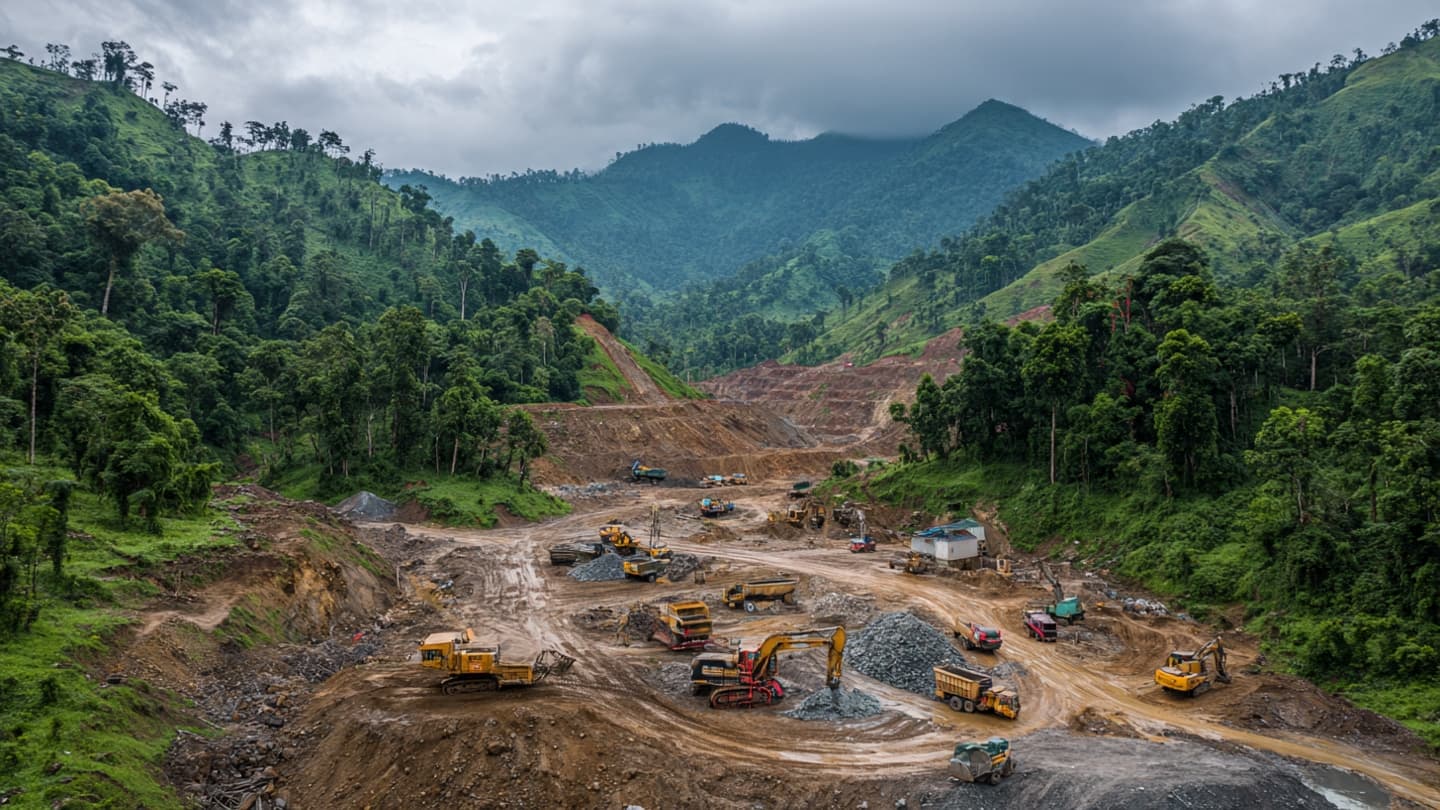
Indonesia’s natural wealth begins far from trading screens. It lies beneath mineral-rich ground, among plantations, across forests and along the coastlines where commodities enter the wider world. Yet once those resources leave the landscape, their value is determined through markets that can feel distant from the places where they originated.
That relationship may soon change. Indonesia plans to establish a new commodity exchange designed to set prices for strategic commodities, according to Reuters. President Prabowo Subianto announced the plan on August 14, with the government targeting the beginning of next year for the exchange.
The proposal reflects Indonesia’s broader effort to capture more value from its natural resources. The country is one of the world’s major producers of several commodities, including nickel, palm oil and other strategic materials. For years, policymakers have sought ways to move beyond simply exporting raw resources toward developing processing and manufacturing industries domestically.
A domestic reference price could become another part of that strategy. Instead of relying entirely on international pricing mechanisms, Indonesia would have a platform through which strategic commodities could be traded and valued closer to their point of production.
Such a system would not eliminate global market forces. Commodity prices are influenced by supply, demand, inventories, transportation costs and international economic conditions. But a domestic exchange could provide Indonesian producers and buyers with another reference point when negotiating contracts and planning investments.
The timing also comes as Indonesia deepens cooperation with major trading partners. Reuters reported that Indonesia and China recently discussed closer cooperation in minerals, energy and technology, underscoring the importance of resources within Indonesia’s economic relationships.
For producers, the meaning of a new exchange would ultimately be measured through practical matters: transparency, liquidity, participation and whether the prices established there become widely trusted. An exchange can provide infrastructure, but its influence depends on whether enough buyers and sellers use it.
There is also a larger economic question beneath the proposal. Indonesia has spent years trying to ensure that its resources generate more domestic economic activity, including through processing industries and restrictions on some raw-material exports. A functioning commodity market could complement those efforts by creating another layer of economic activity around the resources themselves.
The idea therefore reaches beyond a new financial institution. It is part of a longer attempt to bring Indonesia’s resource economy closer to the country’s own economic center, allowing more transactions, information and price formation to take place within the national market.
The government intends to establish the new exchange by early next year, according to Reuters. Its eventual role will depend on how widely it is adopted and how effectively it connects Indonesia’s producers, processors and buyers with a transparent domestic pricing system.
AI Image Disclaimer These images were generated with AI as visual interpretations of the subject and do not represent authentic photographs of the proposed exchange or commodity sites.
Sources Reuters
Published by Banx Network. This article is part of the Banx decentralized media programme, powered by the BXE token on the XRP Ledger.