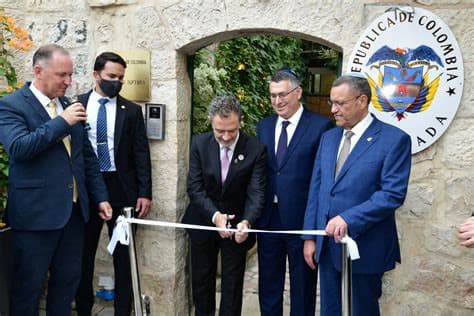
Opening: Leadership transitions in times of conflict are often pivotal moments, shaping the direction and tone of political movements. Hamas has announced the appointment of Khalil Al-Hayya as its new overall leader, a decision that follows intense internal deliberations and external pressures. Al-Hayya, a seasoned negotiator and political figure, steps into a role defined by immense challenge and scrutiny. This change invites reflection on the evolving dynamics of Palestinian politics and the quest for representation in a fractured landscape.
Body: Khalil Al-Hayya is no stranger to the spotlight, having served as a key negotiator in ceasefire talks and as a deputy head of the political bureau. His elevation to the top position signals a continuity of strategy, emphasizing diplomatic engagement alongside resistance. Known for his articulate demeanor and international connections, Al-Hayya brings a different style to the leadership, one that may prioritize dialogue in certain contexts while maintaining hardline positions in others.
The selection process reflects the complex internal structure of Hamas, which balances military and political wings. Al-Hayya’s background in political affairs suggests a potential shift toward greater emphasis on governance and international relations, although the group’s core ideologies remain unchanged. For supporters, his leadership offers a sense of stability and experience; for critics, it reinforces the group’s entrenched stance.
Regional reactions have been mixed, with neighboring countries assessing the implications for ongoing negotiations and security arrangements. Egypt, Qatar, and other mediators have worked closely with Al-Hayya in the past, and his new role may facilitate or complicate these channels depending on the evolving situation. The international community watches closely, seeking signs of whether this leadership change will open doors for diplomacy or deepen divisions.
Internally, the appointment aims to unify various factions within Hamas, presenting a cohesive front amid external pressures. The group faces significant challenges, including reconstruction efforts, humanitarian crises, and military confrontations. Al-Hayya’s task will be to navigate these issues while maintaining the organization’s relevance and influence. His ability to balance competing interests will be tested daily.
For the Palestinian people, the choice of leader carries weighty expectations. Many look to Hamas for protection and representation, while others seek alternative paths to statehood and peace. Al-Hayya’s leadership will be judged by its impact on daily life, security, and the broader political horizon. The hopes and fears of the population are intertwined with the decisions made in the corridors of power.
Global powers, including the United States and European nations, have designated Hamas as a terrorist organization, complicating any direct engagement with its new leader. However, indirect communications often occur through intermediaries, making Al-Hayya’s diplomatic skills crucial. The geopolitical landscape remains intricate, with multiple actors influencing the outcome of the conflict.
Closing: The naming of Khalil Al-Hayya as Hamas’s new leader marks a significant chapter in the group’s history. As he assumes this role, the focus turns to how his leadership will shape the future of Palestinian politics and regional stability. The path forward is uncertain, but the implications are profound.
AI Image Disclaimer: Please note that the images accompanying this article are AI-generated and intended for illustrative purposes only.
Sources: Al Jazeera Reuters JNS BBC News
Published by Banx Network. This article is part of the Banx decentralized media programme, powered by the BXE token on the XRP Ledger.