In the quiet corridors of Tesla’s engineering facilities, a subtle change is underway. Long-time executives who once commanded major programmes are stepping away — not with fanfare, but with the kind of contemplative tone reserved for chapters closing. At the heart of these shifts are the seasons of departure for the leaders of the Tesla Cybertruck and the programmes for the Tesla Model Y and Tesla Model 3, marking what some observers describe as a growing exodus within the company’s core vehicle development ranks.
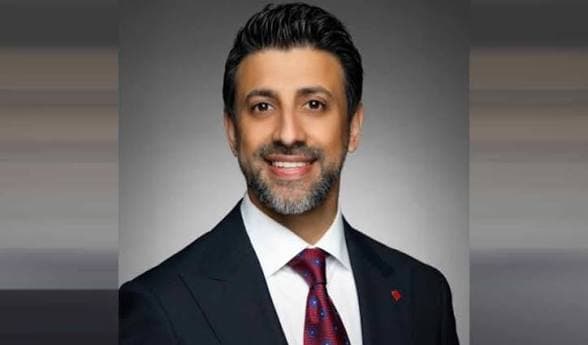
One of the most visible exits is that of Siddhant Awasthi, who has led the Cybertruck programme and more recently the Model 3 efforts after starting at Tesla as an intern. His departure after over eight years with the company underscores a departure from continuity rather than incremental change.
The context for such departures is neither simple nor singular. On one hand, the Cybertruck itself has faced commercial headwinds: massively ambitious initial production plans have given way to muted actual output, and the vehicle has required discounting and additional incentives to move inventory. On the other hand, Tesla’s broader ecosystem is navigating shifting tides in the EV market, evolving competitive pressures, and the internal challenge of sustaining innovation at scale.
These leadership changes also bring into focus the cultural and operational dynamics inside a company known for daring targets and rapid execution. In the current phase, execution appears to be meeting resistance — the pipeline from concept to production is under more scrutiny, and the expectations placed on teams seem higher than ever. For leaders like Awasthi, who helped shepherd vehicles from idea to launch, the question may have become: when vision meets margin, what changes must you make?
From another vantage point, the departures may represent a recalibration rather than a crisis. Every organisation experiences transitions; vehicles age, product cycles shift, and talent rotates. Yet when those leaving sit at the very helm of flagship programmes, the ripple effects become more visible — signalling to investors, employees, and competitors alike that the internal map is being redrawn.
For Tesla, the exit of these key figures invites reflection: What happens to the momentum of the Cybertruck launch? How will the Model Y/Model 3 programmes sustain pace in the face of rising competition? And perhaps most pointedly: how will the culture of leadership and accountability evolve when the architects of previous plans depart the drawing board?
The departures of Tesla’s senior programme leaders are a subtle but significant marker of change within a company that built its reputation on bullish timelines and rapid innovation. While no sweeping judgments are warranted — exits alone don’t predict failure — the timing and scale merit attention. As Tesla moves into its next chapter, stable leadership, clear strategy execution, and cultural resilience will matter more than ever.
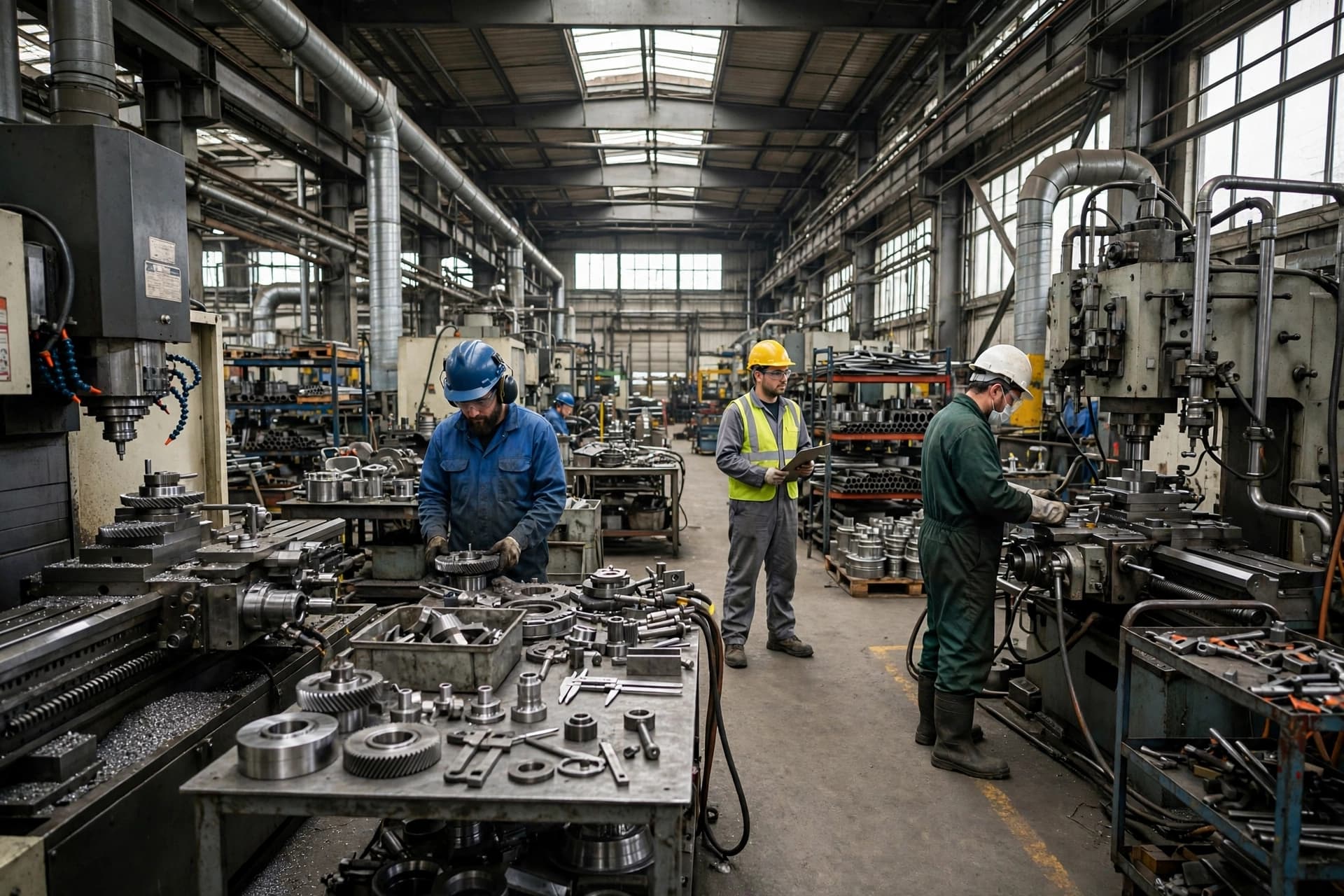
AI Image Disclaimer “Images in this article are AI-generated illustrations, meant for concept only.”
Sources Bloomberg; Reuters; Associated Press; Business Insider; Economic Times.
Published by Banx Network. This article is part of the Banx decentralized media programme, powered by the BXE token on the XRP Ledger.