On the broad tapestry of life, evolution is like a river carving its way through mountains — steady, deep, and shaped by forces acting at many scales. For generations, popular descriptions of natural selection emphasized the individual: a lone animal surviving, a plant blooming where others wither, a gene winning out over its rivals. But modern science paints a richer picture. Recent comprehensive research shows that natural selection doesn’t happen only at the individual level, but across a hierarchy of biological units, from genes to groups and even whole communities.
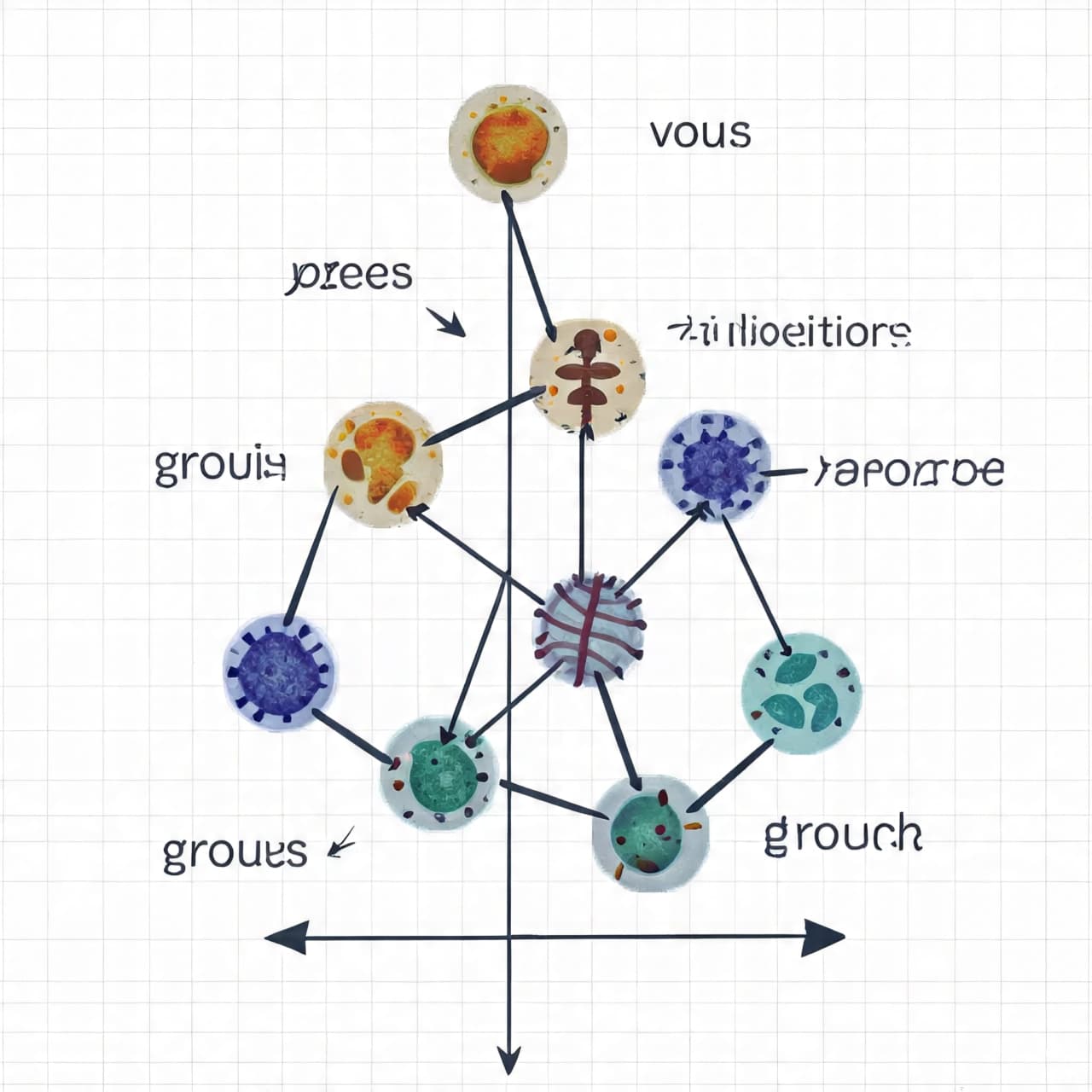
Traditionally, Darwin’s insight focused on individual organisms competing within their environments. Yet organisms are nested within families, colonies, and ecosystems, and many studies now show that natural selection can operate concurrently at these multiple levels. A recent bibliometric review of hundreds of scientific studies found strong empirical examples of selection working not just among individuals but also among collections of individuals — groups or demes — and sometimes even across genetic elements or cell collectives.
Think of a space filled with interlocking gears. Each gear turns in response to its neighbors, and the motion of the whole mechanism reflects the contributions of each part. Similarly, natural selection at the level of individuals, groups, and genes can push evolution in different directions, or sometimes toward the same outcome. In social animals, for instance, traits that benefit an individual’s reproductive success might conflict with traits that benefit group survival; yet traits that improve overall group function can, over generations, become more common if groups with those traits outcompete others.
A classic agricultural example illustrates this point: when scientists selected hens for egg production based on individual performance within cages, the result was a strain of aggressive birds that undermined overall productivity. But when selection was applied at the level of whole cages — choosing groups of hens that performed best together — a calmer, more productive strain emerged.
Beyond animals, multilevel selection ideas also appear in studies of microbes, where interactions among bacteria within a host and competition between bacterial populations across hosts can shape traits like virulence. And at even smaller scales, genetic and cellular interactions within organisms can reflect competing selection pressures.
The recognition that natural selection can act at multiple scales does not diminish evolutionary theory; rather, it enriches it. It reminds us that life’s complexity cannot always be reduced to single stories or single actors. Instead, evolution unfolds through interwoven processes that shape life from the microscopic to the macroscopic, from genes to groups to ecosystems.
AI Image Disclaimer Visuals are created with AI tools and are not real photographs.
Sources Newswise Frontiers in Ecology and Evolution Oxford Academic (Evolution journal) Cambridge Core (multilevel selection research) Science & Education literature on hierarchical natural selection
Published by Banx Network. This article is part of the Banx decentralized media programme, powered by the BXE token on the XRP Ledger.