In a proactive move to safeguard public health and national security, France has successfully acquired an antidote for ricin, a highly toxic substance that poses a significant risk as a bioterrorism agent. This acquisition aligns with the country's efforts to bolster its defenses against bioweapons amid growing concerns over bioterrorism globally.
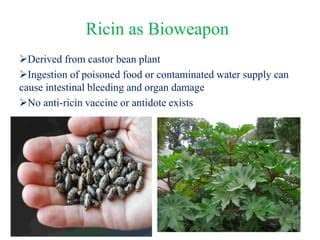
Ricin is derived from castor beans and is known for its potency, with even a small amount capable of causing severe illness or death. The threat of ricin being used in a terrorist attack has prompted many nations, including France, to enhance their preparedness for biological threats. The newly acquired antidote is expected to improve the country's ability to respond effectively to any potential exposure.
French authorities emphasize that this development is crucial not only for the security of the nation but also for public assurance in the face of bioterrorism risks. The acquisition is part of a comprehensive strategy that includes upgraded surveillance systems, enhanced emergency response protocols, and increased public health initiatives to identify and mitigate threats quickly.
As global dynamics shift and the threat landscape evolves, France's proactive approach highlights the importance of preparedness in countering bioweapons. The government's commitment to acquiring life-saving antidotes reflects a broader recognition of the potential consequences associated with biological agents like ricin.
The successful incorporation of this antidote into France's public health infrastructure is anticipated to strengthen collective resilience against potential bioterrorism attacks. Ongoing efforts focused on prevention, rapid response, and public education will be essential components in maintaining safety and security in the face of bioweapon threats.
Published by Banx Network. This article is part of the Banx decentralized media programme, powered by the BXE token on the XRP Ledger.