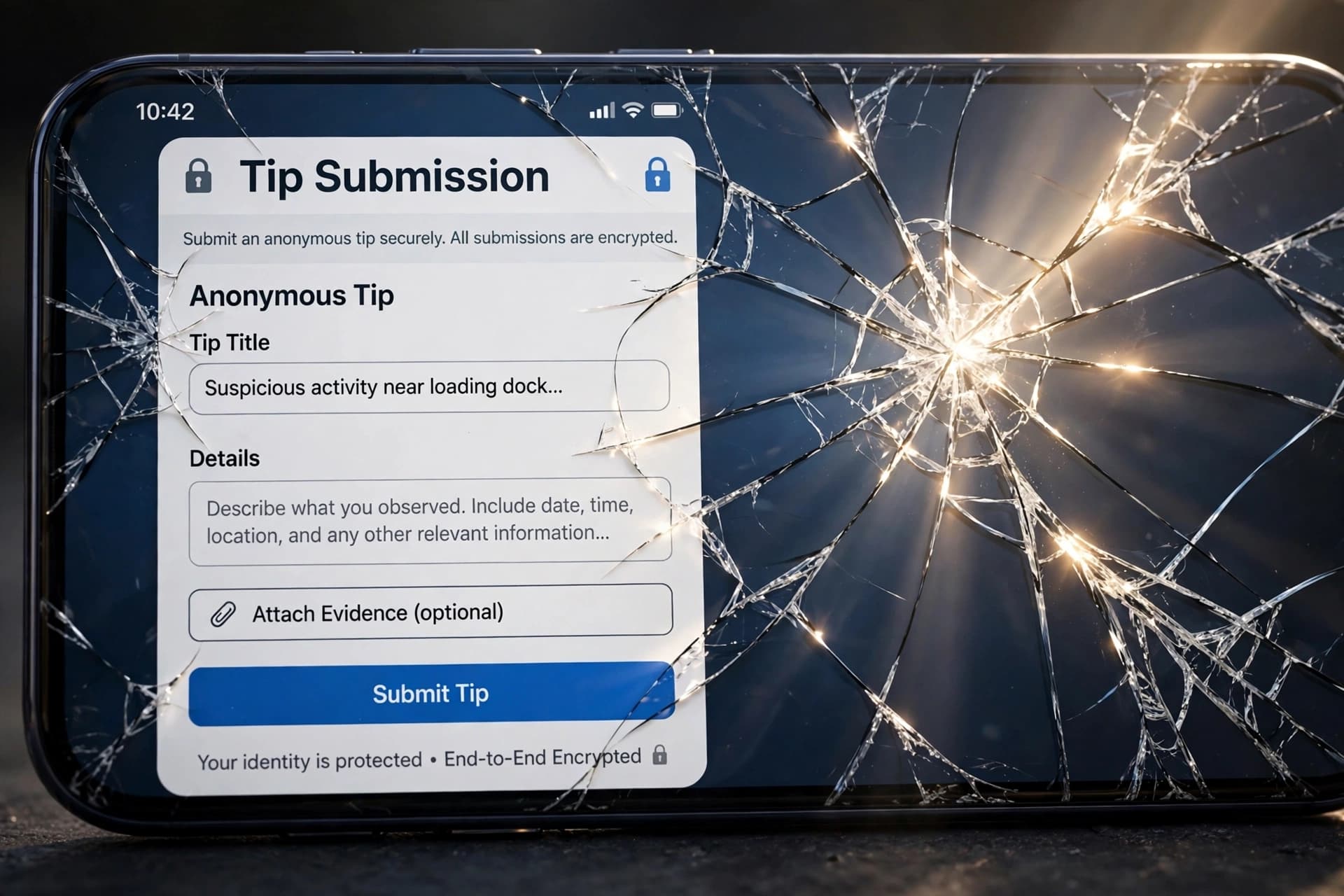
There is a promise that Crime Stoppers makes to every person who picks up the phone or opens the app, a promise that is simple and absolute: you can tell us what you know, and no one will know it was you. For more than four decades, that promise has been the foundation of the program, the reason tips arrive from people who would never walk into a police station. This week, the promise was broken. Toronto Crime Stoppers announced that more than 176,000 tips submitted between January 2022 and November 2025 were stolen in a data breach, along with nearly 15,000 names. The organization has stopped accepting new tips entirely .
The breach occurred in March, but the full extent has only now become public. The software involved is called P3, owned by the U.S. company Navigate360. Toronto Crime Stoppers says Navigate360 told them repeatedly that the system was secure. In April, the company said Toronto's data had not been taken. In June, it said the data was affected but did not say what was exposed. To date, the charity still has not seen the text of the stolen tips . "Since 1984, people in Toronto have come to Toronto Crime Stoppers because we promised they could stay anonymous," said chair Sean Sportun. "This week's reporting shows that for some of them, that promise was broken. We are deeply sorry" .
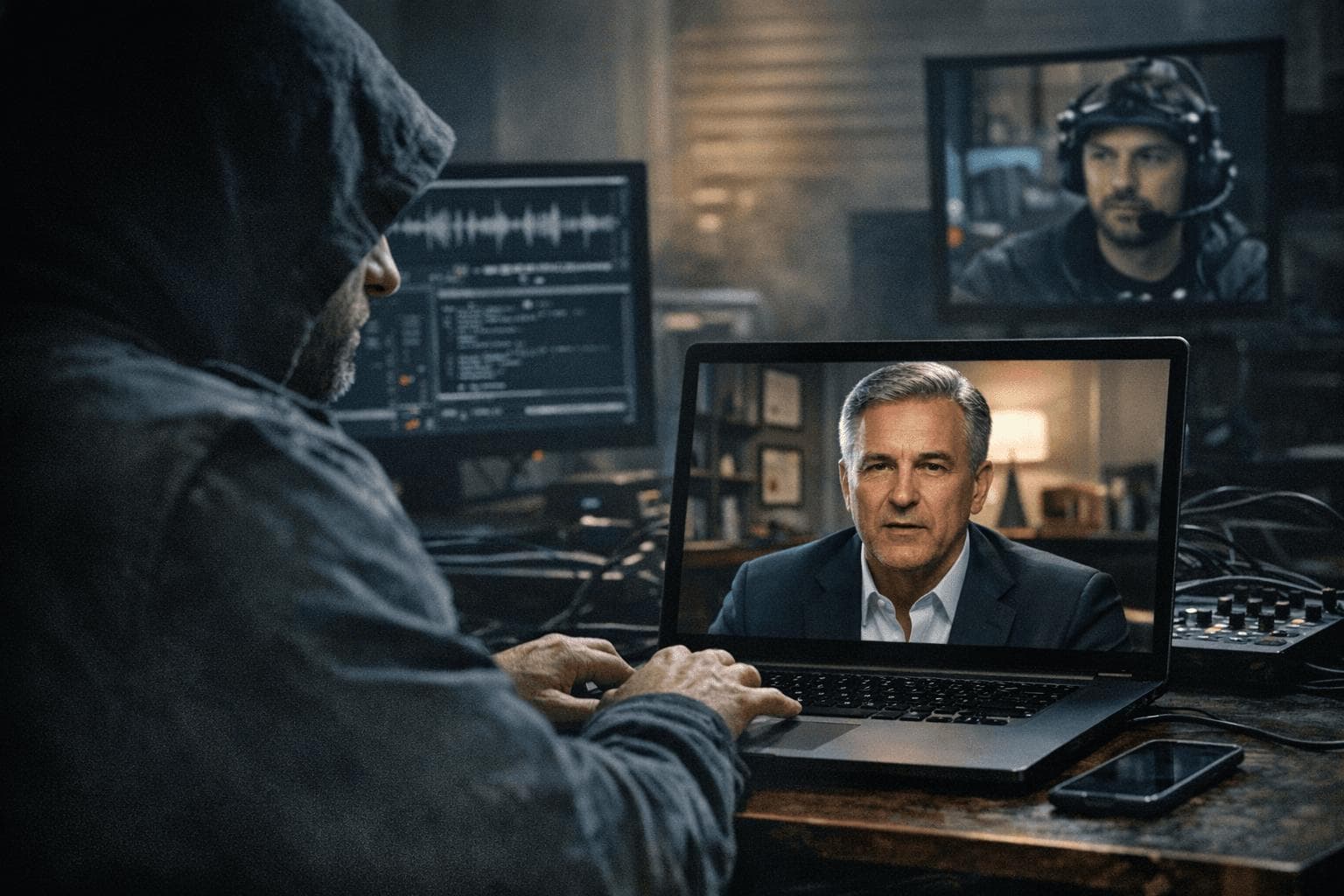
The scale of the breach extends beyond Toronto. A CBC investigation revealed that more than 1.5 million tips submitted to Canadian Crime Stoppers programs over the last 25 years were exposed, including unredacted personal information about tipsters, individuals named in allegations, and even Crime Stoppers staff and police . The attacker was a hacktivist group called Internet Yiff Machine, which said in a manifesto that it wanted to disprove the claim by P3 Global Intel that the platform was "anonymous" and "secure" . The irony is difficult to miss: a system built to protect anonymity was breached precisely to demonstrate that it could not.
Toronto police have suspended their use of the Crime Stoppers program while they assess the additional safeguards being implemented. "The information that has become available raises serious concerns regarding the protection of confidential information," a statement read . The force encouraged the public to contact police directly, acknowledging that doing so does not provide anonymity. Halton police also suspended their use of the program after learning some data related to their region was included in the breach . The pauses are prudent, but they leave a void. Crime Stoppers existed because some people would not talk to police. Now, for the moment, there is no anonymous option at all.
For the people whose names were exposed, the breach is not an abstraction. Some of them may have been tipsters who included identifying details in their reports, despite the program's instructions to avoid doing so. Some may have been people named in allegations, who have not been charged or convicted of anything. Crime Stoppers says it does not know whose names were stolen, and Navigate360 has not told them . The uncertainty is its own kind of harm. A person who submitted a tip years ago, believing it would never be connected to them, now has no way to know whether that belief was correct.
The program is working on what it calls a "safer way" to accept tips, but no timeline has been given. In the meantime, the organization has advised the public not to send tips by phone, online, or through the app. "Until we have a safer way to protect you, please do not send us tips," Sportun said . The advice is responsible, and it is also a admission. A system designed to make communities safer has, for now, been taken offline because it could not keep the people who trusted it safe.
There is a lesson here that extends beyond Crime Stoppers. Anonymity is a technical promise, and technical promises depend on the security of the systems that uphold them. When those systems fail, the failure is not only a data breach but a breach of trust, and trust is harder to rebuild than software. The investigation into what happened and who is responsible will continue. The people who submitted tips, believing they were protected, will wait to learn whether their names are among the exposed. And a program that has served Toronto for more than four decades will try to find a way to make a promise it can keep.
Image Disclaimer: The images accompanying this article are AI-generated and are not actual photographs of the breach, the organization, or the individuals involved.
Sources: Toronto Sun, The Globe and Mail, CBC News, CP24, Toronto Star
Published by Banx Network. This article is part of the Banx decentralized media programme, powered by the BXE token on the XRP Ledger.