There is a quiet tension in the air when a rocket stands poised on the launch pad—its steel frame catching the light of an early Florida afternoon, the machinery humming softly beneath its skin. And yet, the sky holds a voice of its own. On November 9, 2025, as the Blue Origin team prepared to send its second New Glenn rocket aloft—carrying two twin Mars-bound probes from NASA known as ESCAPADE—the launch was scrubbed. Storm clouds swelled above the pad at Cape Canaveral Space Force Station, invoking the strict “cumulus cloud rule” that governs when such missions may ascend.
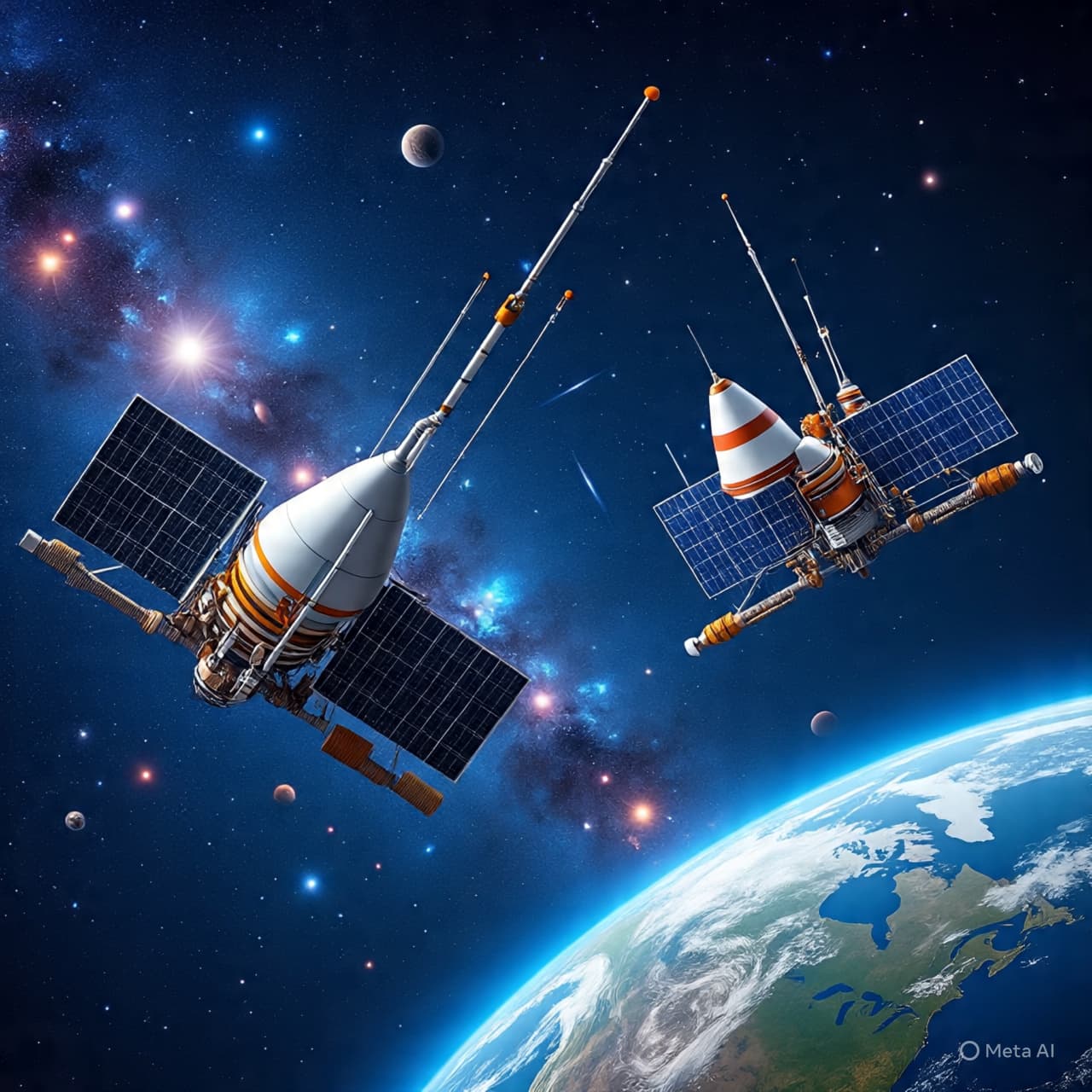
For months, this mission has carried significance far beyond this moment. The twin ESCAPADE probes are designed to study how the solar wind strips the atmosphere from Mars—an investigation into planetary history and future human exploration. Meanwhile, the New Glenn rocket itself represents a major leap for Blue Origin—a heavy-lift vehicle, reusable first stage, and a hopeful competitor in the commercial launch market.
The delay, while frustrating in its immediacy, reflects the complex web of factors that guard spaceflight: weather, regulatory windows, range availability, booster recovery plans, and mission timing. The company noted that dense cloud cover forced the decision. Adding to the complexity, the Federal Aviation Administration (FAA) announced new restrictions affecting daytime commercial launches as part of air-space management during the U.S. government shutdown, tightening the margin for scheduling.
Blue Origin’s next launch attempt is now targeted for November 12, with a 2:50 p.m.–4:17 p.m. EST window (19:50-21:17 UTC) pending weather and sea-state conditions. While the countdown resumes, the purpose remains undiminished: to lift off the New Glenn, deliver the ESCAPADE probes into their path toward Mars, and attempt a landing of the booster stage on the ocean-borne platform.
This kind of postponement is not a sign of failure—but of prudence. Spaceflight has always required deference to nature’s rhythms and the unforgiving variables of launch dynamics. Storm-heavy clouds over the pad are as meaningful as any technical fault. And yet, behind the delay lies the same ambition: reaching Mars on a new kind of rocket, standing on the threshold of new discoveries.
AI Image Disclaimer: “Illustrations were produced with AI and serve as conceptual depictions.”
Sources: Space.com, SpaceFlight Now, The Verge, Digital Trends, Reuters
Published by Banx Network. This article is part of the Banx decentralized media programme, powered by the BXE token on the XRP Ledger.