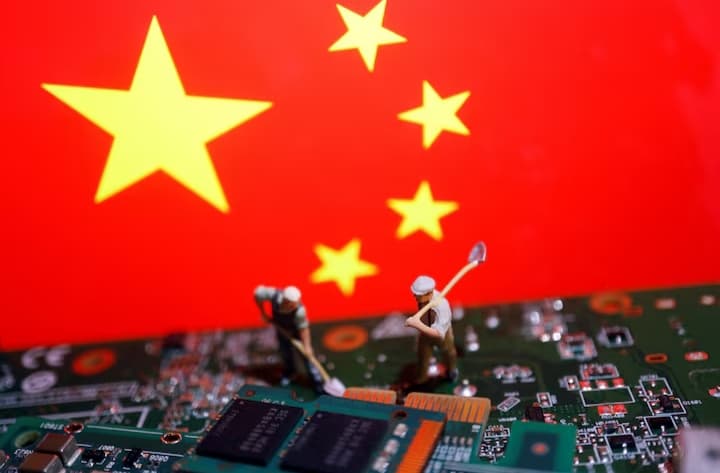
In a significant development for the semiconductor industry, China has mandated that chipmakers use a minimum of 50% domestic equipment in their manufacturing processes. This regulation aims to enhance the country’s technological independence and secure its position within the global semiconductor supply chain, particularly as international pressures mount.
Sources reveal that the new requirement is part of China's broader strategy to strengthen its self-sufficiency in advanced technology sectors, especially in light of ongoing trade tensions and sanctions imposed by Western nations. By fostering domestic production capabilities, the government seeks to reduce reliance on foreign equipment and ensure that its chipmakers can sustain operations amid potential supply disruptions.
The regulation is expected to have profound implications for both domestic and international players in the semiconductor market. Chinese manufacturers will need to invest in local suppliers and potentially expand domestic research and development efforts to meet the new standards. This shift could reshape the competitive landscape, giving rise to new opportunities for local equipment manufacturers while challenging existing foreign market incumbents.
Industry analysts predict that while this mandate may bolster domestic capabilities in the long term, it could initially lead to challenges in meeting quality and technology benchmarks, as many local suppliers may lack the experience or technology equivalent to their foreign counterparts. The transition will require a focused effort to enhance the quality of domestic production tools and equipment.
As the global semiconductor market grapples with supply chain issues, this move represents a critical step for China in fortifying its position within the industry. Stakeholders are watching closely to assess the impact of this policy on global chip production dynamics, pricing, and innovation.
In the coming months, the industry will likely see increased activity as companies adapt to comply with the new regulations. China's commitment to enhancing its semiconductor self-sufficiency reflects broader trends in technological competition and the evolving landscape of international relations in the tech sector.
Published by Banx Network. This article is part of the Banx decentralized media programme, powered by the BXE token on the XRP Ledger.