Shanghai’s financial skyline is increasingly reflecting a technological transformation taking place far beyond its towers. Deep beneath the visible world of smartphones, servers, and data centers, memory chips have become one of the foundations of the digital economy. China’s Yangtze Memory Technologies is now seeking new capital to expand that foundation.
CCSH Corporation, the parent company of Yangtze Memory Technologies, is advancing plans for a Shanghai listing that could raise 33 billion yuan, or about $4.9 billion. The proposed offering would take place on the STAR Market and support production upgrades and research into advanced storage technologies.
YMTC is one of China’s leading NAND flash-memory producers and currently ranks third globally, according to Reuters. The company has benefited from strong demand for high-speed storage, particularly as artificial intelligence increases the amount of data processed and stored by modern computing systems.
The financial improvement has been substantial. YMTC reported revenue of 47 billion yuan in the first quarter of 2026, while net profit reached 33.38 billion yuan. The strong results reflect a combination of higher demand and tight global supply conditions for NAND flash memory.
Memory chips occupy a different position from the processors that receive most of the public attention in discussions about artificial intelligence. Yet AI systems depend heavily on fast access to large volumes of information. Storage therefore forms part of the infrastructure that allows increasingly complex computing systems to operate.
For YMTC, the IPO would provide capital at an important point in its development. The company intends to use the proceeds for production upgrades and research and development, strengthening its ability to compete in a global memory market dominated by established producers.
The planned listing also fits into China’s broader effort to develop domestic semiconductor capabilities. Advanced chips require specialized manufacturing equipment, materials, software, and technical expertise. Building a complete ecosystem has therefore become a long-term industrial task rather than a matter of expanding one factory.
YMTC faces particular challenges in that environment because the company has appeared on U.S. military and trade restriction lists. Reuters reported that the company is seeking to reduce its reliance on U.S. technology by using more domestically sourced equipment and simplified manufacturing processes.
At the same time, the global memory market remains cyclical. Strong AI demand can lift prices and profits, but new production capacity can eventually change the balance between supply and demand. The challenge for YMTC will be expanding quickly enough to capture growth without creating unnecessary exposure when market conditions change.
For now, the planned Shanghai IPO represents another significant step in China’s semiconductor development. With billions of yuan potentially available for manufacturing upgrades and research, YMTC is preparing for a larger role in the memory market while AI continues to reshape global demand for digital storage.
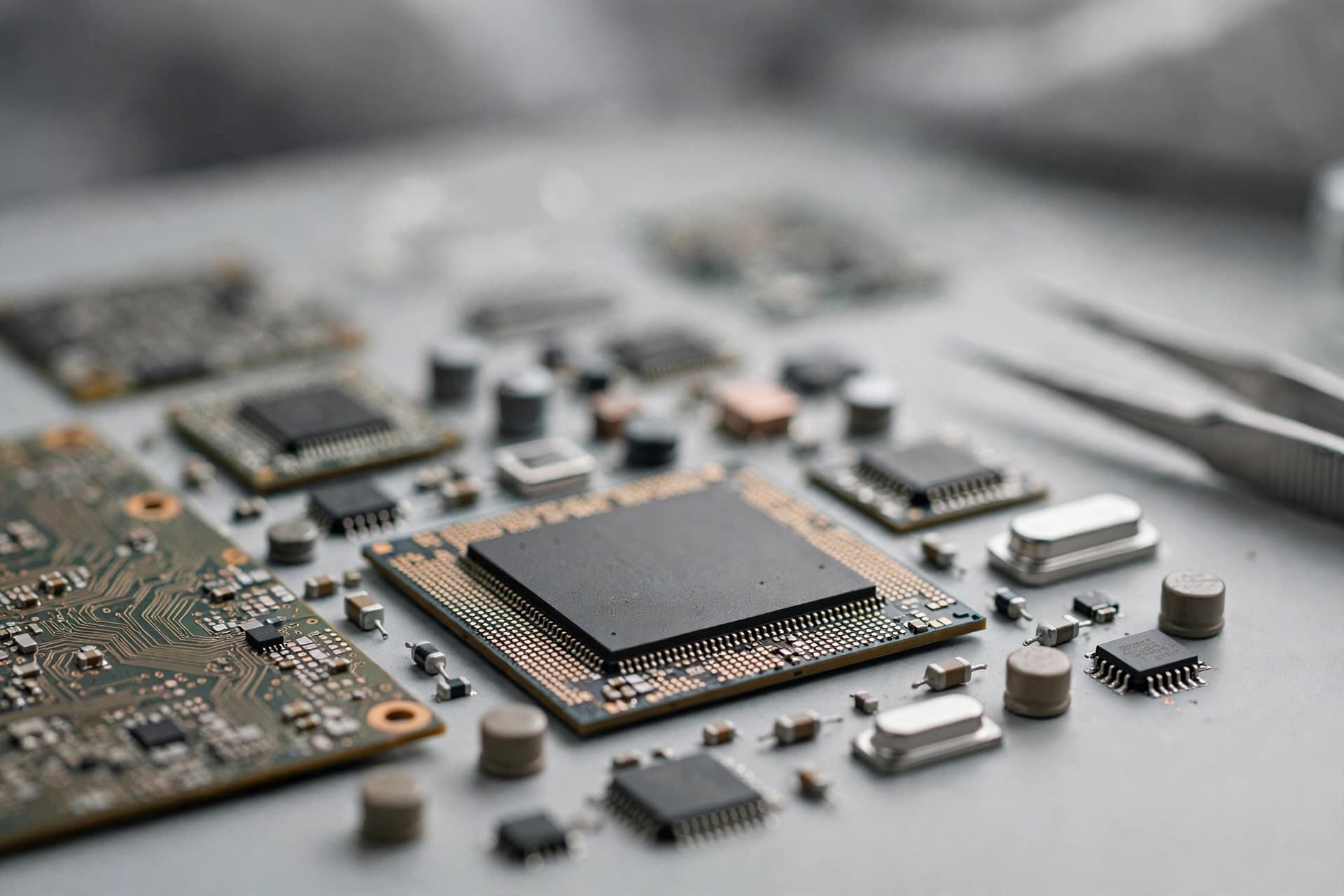
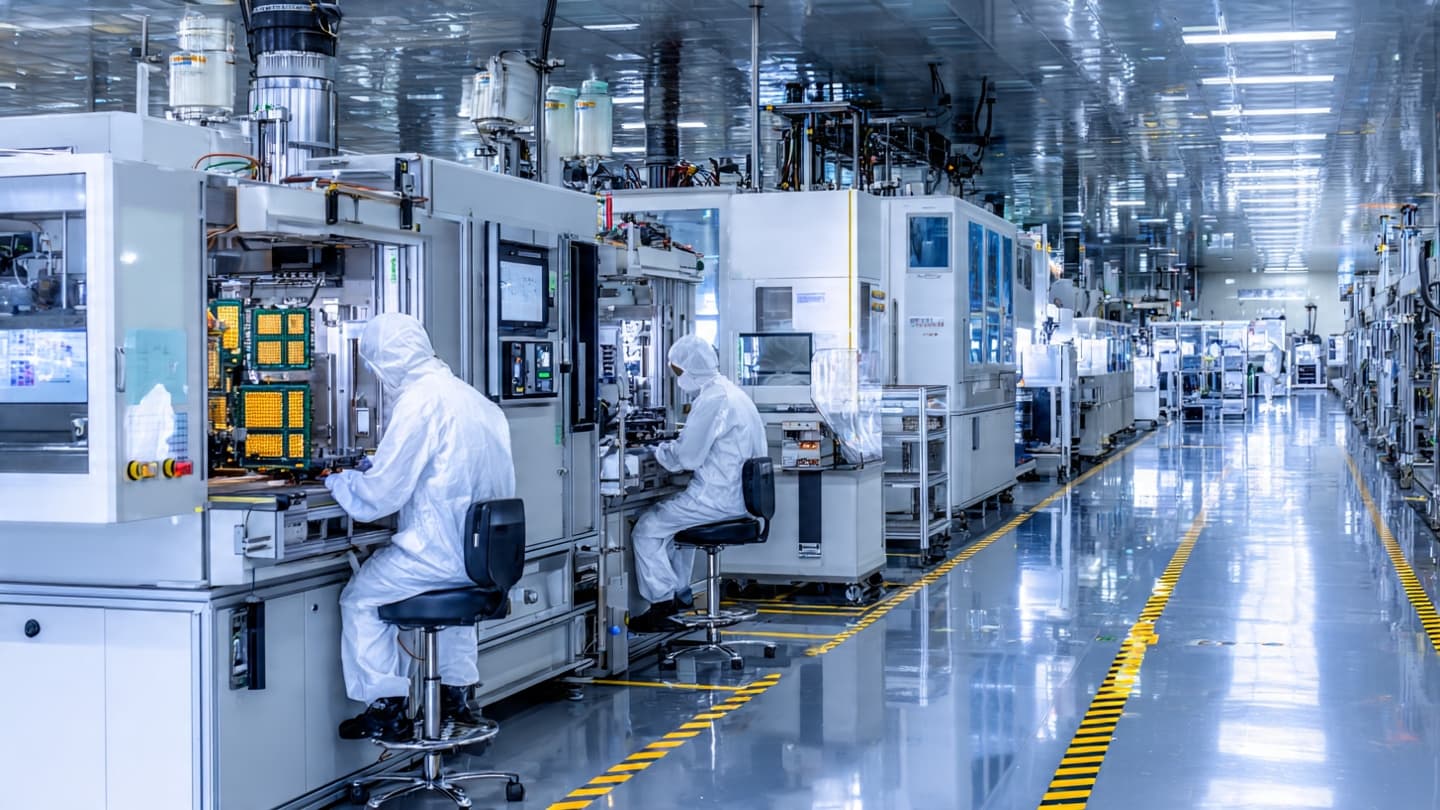
AI Image Disclaimer The illustrations were generated with AI and are intended to visualize the semiconductor story conceptually rather than depict actual YMTC facilities.
Sources Reuters Financial Times Nikkei Asia China Daily South China Morning Post
Published by Banx Network. This article is part of the Banx decentralized media programme, powered by the BXE token on the XRP Ledger.