The Independence Day ceremony at the Merdeka Palace has long been a symbol of national unity and pride in Indonesia, a ritual that binds the past to the present through shared memory. Yet, recent discussions have introduced a note of complexity to this tradition, raising questions about accessibility, equity, and the evolving values surrounding the celebration. Allegations of ticket trading and perceptions of elitism have sparked a broader conversation about who truly owns the narrative of national independence.
Historically, the invitation to attend the ceremony was seen as an honor bestowed upon citizens who had contributed to the nation, from veterans to community leaders. However, the shift toward digital registration systems, while intended to streamline the process, has inadvertently created new barriers. The phenomenon of "war tickets," where individuals compete fiercely for limited slots, has led to accusations that access is no longer based on merit or service but on technological savvy and luck.
Reports of tickets being sold on secondary markets have further fueled concerns about commercialization creeping into a sacred national event. If true, such practices undermine the spirit of inclusivity that the ceremony is meant to embody, turning a public celebration into a commodity. This perception of exclusivity clashes with the democratic ideals that Indonesia celebrates each August 17th, creating a dissonance between symbol and reality.
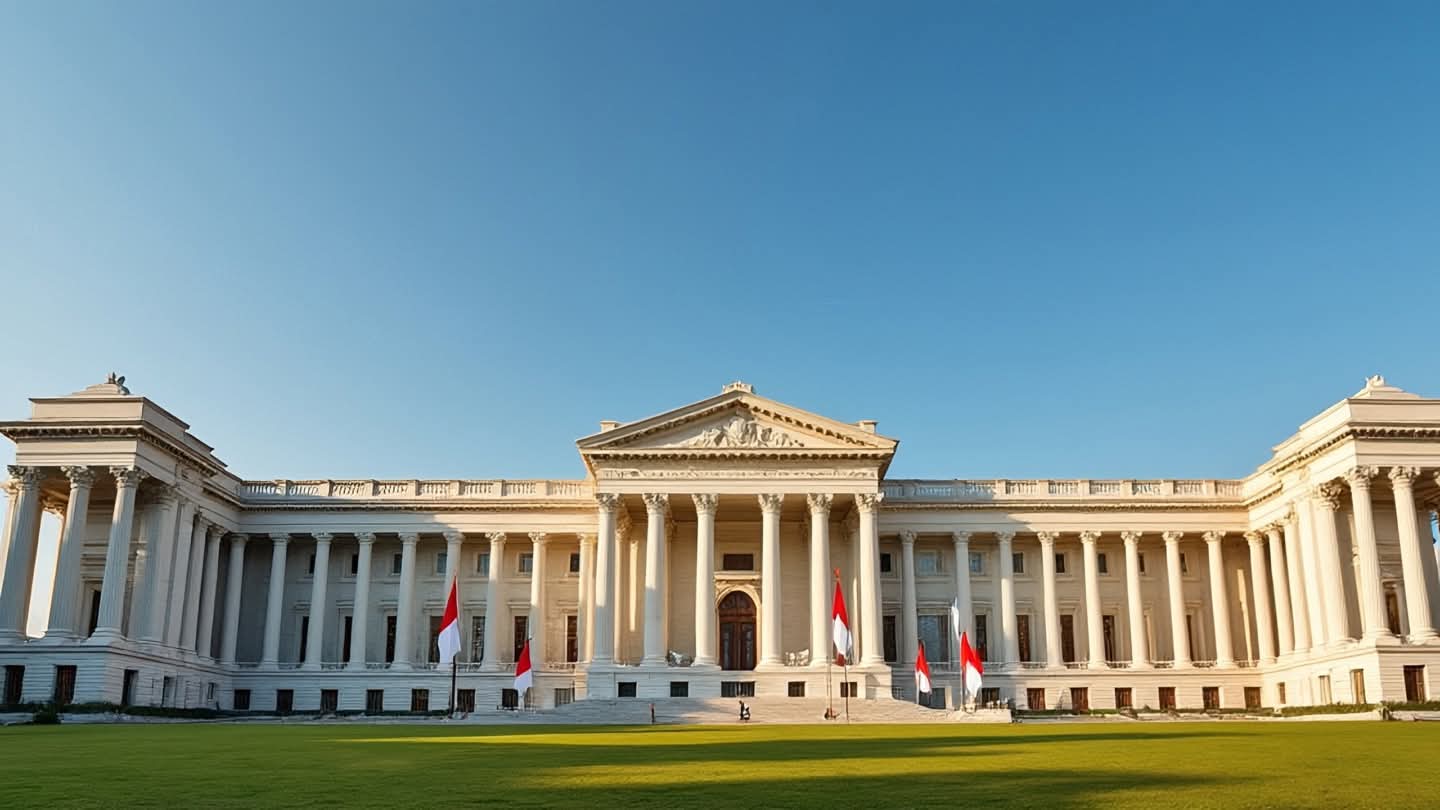
The colonial legacy of segregation also lingers in the subconscious of many observers, who draw parallels between past hierarchical structures and current access disparities. The palace, once a seat of colonial power, now stands as a monument to independence, yet the question remains: has the gatekeeping of its events truly changed? For some, the difficulty in obtaining invitations feels like a modern iteration of old exclusions, reigniting historical sensitivities.
Government officials have emphasized that the selection process is transparent and aimed at honoring diverse groups, including youth, students, and marginalized communities. They argue that the high demand reflects the enduring popularity of the event rather than any intentional exclusion. Nevertheless, the public’s skepticism points to a deeper desire for genuine participation and representation in national rituals.
Social media has amplified these voices, allowing citizens to share their frustrations and propose alternatives. Some suggest rotating attendance among different regions or implementing quotas for various societal segments to ensure broader representation. Others call for live broadcasts with interactive elements to make the ceremony more accessible to those who cannot attend in person.
Addressing these concerns requires a thoughtful reevaluation of how national celebrations are organized. It involves balancing security and protocol with openness and inclusivity, ensuring that the spirit of independence is felt by all Indonesians, not just a select few. This might involve decentralizing events or creating parallel celebrations that mirror the main ceremony’s significance.
Ultimately, the debate over Merdeka Palace invitations is not just about logistics but about values. It challenges the nation to reflect on what independence means in a contemporary context and how to celebrate it in a way that honors every citizen’s contribution. By listening to these critiques, Indonesia can strengthen the bond between its people and its symbols, ensuring that the flame of independence burns brightly for everyone.
AI Image Disclaimer: Visuals associated with this article are AI-generated representations of ceremonial architecture and national symbolism, created to complement the thematic discussion.
Sources: BBC Indonesia, CNBC Indonesia, Mabur.co, Berima.id
Published by Banx Network. This article is part of the Banx decentralized media programme, powered by the BXE token on the XRP Ledger.