The night sky has inspired wonder for countless generations, yet every new observation reminds humanity that the universe still contains far more questions than answers. Each telescope, spacecraft, and scientific instrument extends our vision a little farther, revealing worlds and phenomena that were once beyond imagination.
Astronomers around the world continue publishing new research on exoplanets, stellar evolution, and deep-space observation, reflecting the steady expansion of modern astronomical science. Recent studies combine observations from ground-based observatories and space telescopes to improve understanding of planetary systems beyond our solar system.
Exoplanets remain one of astronomy's most active research fields. Thousands of planets have now been identified orbiting distant stars, with scientists continuing to investigate their sizes, atmospheres, orbital characteristics, and potential habitability.
Researchers are also examining the formation and evolution of stars and galaxies by analyzing electromagnetic signals collected across multiple wavelengths, including visible light, infrared radiation, and radio waves. These observations help refine scientific models describing how the universe has evolved over billions of years.
Modern astronomy increasingly depends on advanced computing systems capable of processing enormous amounts of observational data. Machine learning techniques are assisting researchers in identifying subtle patterns that may indicate previously undetected celestial objects or unusual astronomical events.
International collaboration remains a defining feature of astronomical research. Scientists from universities, observatories, and space agencies routinely share data, software, and analytical methods to strengthen scientific verification and encourage further discovery.
Space missions launched by multiple countries continue complementing observations made from Earth. Together, these instruments provide scientists with increasingly detailed information about planets, stars, galaxies, and other cosmic structures.
Researchers emphasize that every published study contributes to a growing body of scientific knowledge. As observational technology continues improving, many current theories will be tested, refined, or expanded through future discoveries.
The continuing pace of astronomical research demonstrates humanity's enduring curiosity about the universe. Although many mysteries remain, each new observation brings science one step closer to understanding the vast cosmos surrounding our planet.
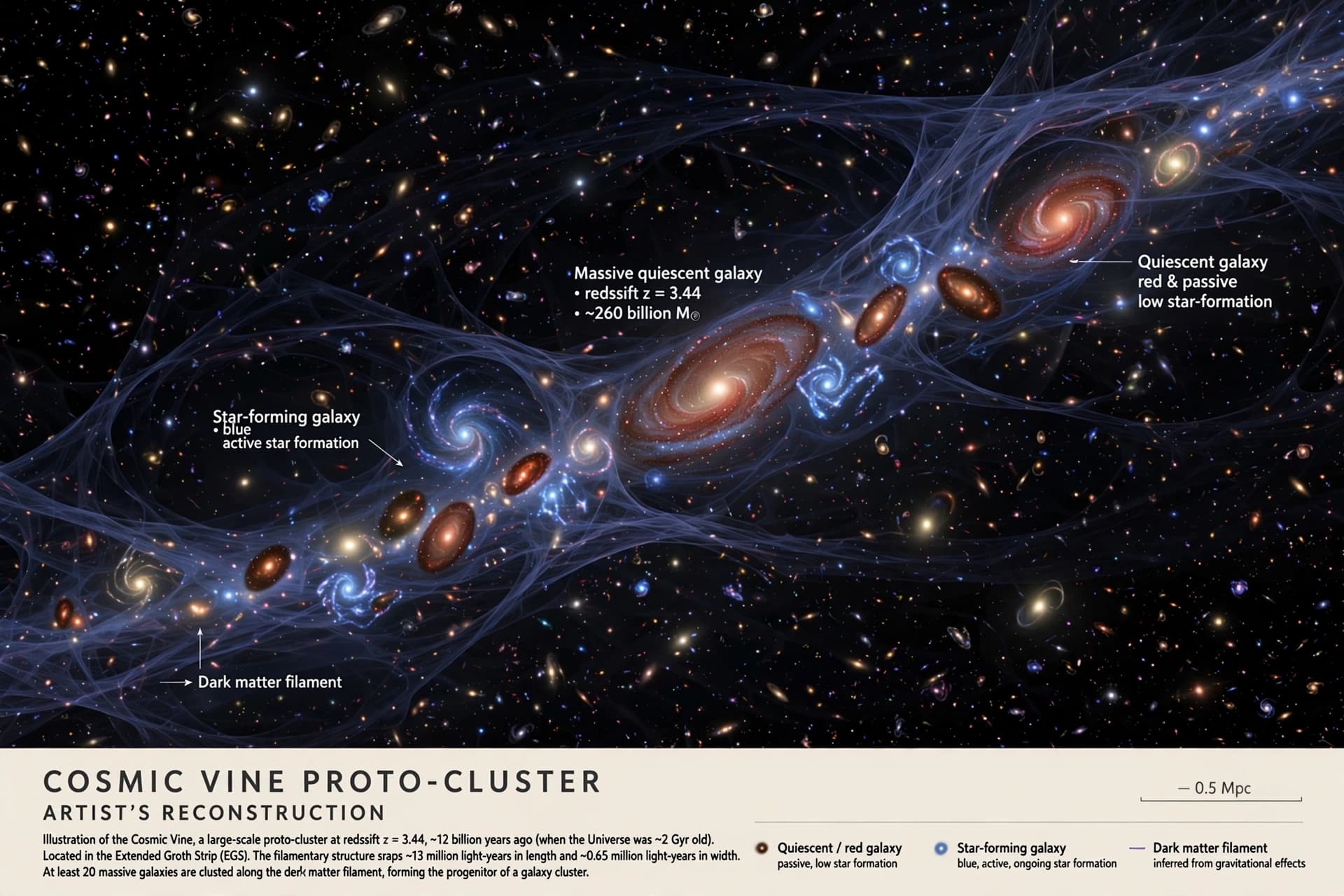
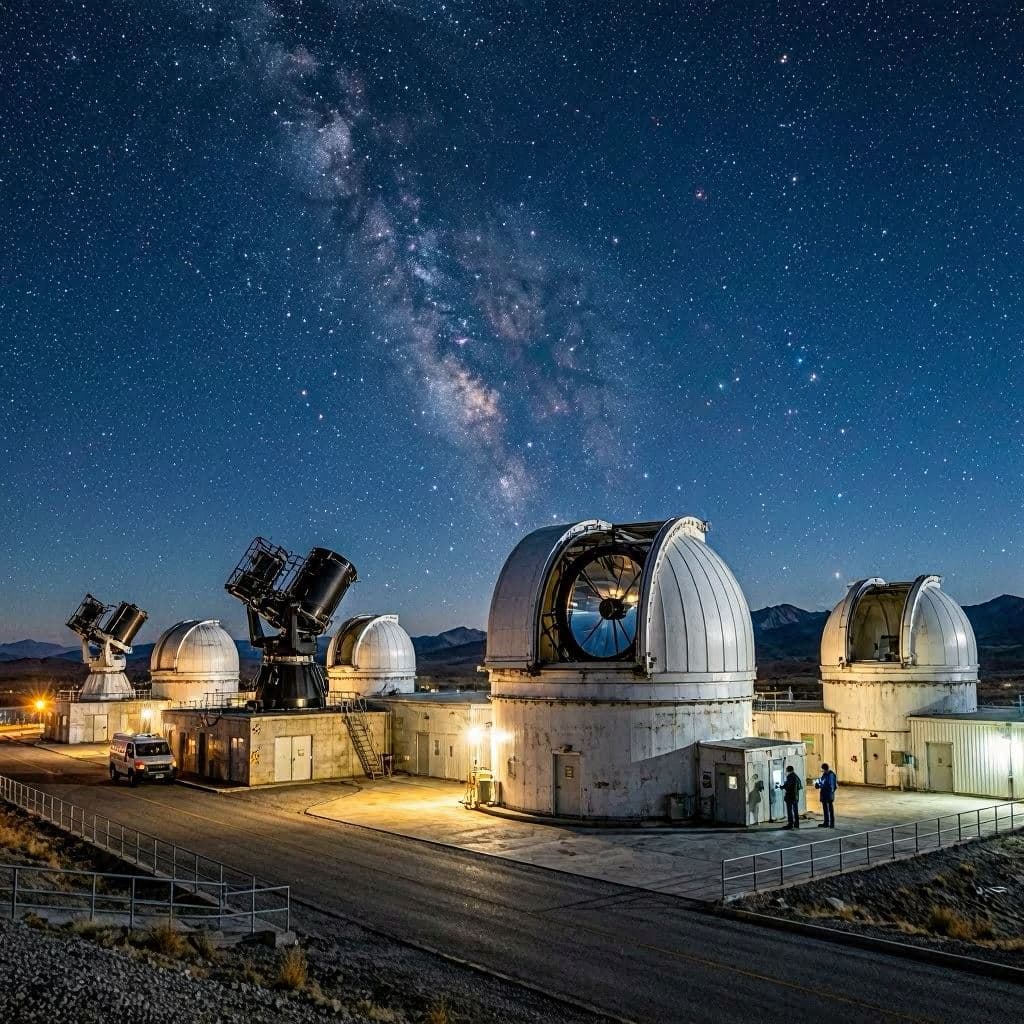
AI Image Disclaimer: The illustration accompanying this article was generated using AI to visually represent astronomical research.
Source Verification Check: Nature Astronomy, European Southern Observatory, NASA, International Astronomical Union, arXiv
Published by Banx Network. This article is part of the Banx decentralized media programme, powered by the BXE token on the XRP Ledger.