Key Highlights
- Flight Tests:Korean Air plans to initiate flight tests of its LOWUS drone system by the end of 2026.
- Technology Demonstrators:Two demonstrators have been delivered to South Korea’s Agency for Defense Development.
- Future Plans:Manned-unmanned teaming trials are scheduled for late 2027, with full-scale development starting in 2029.
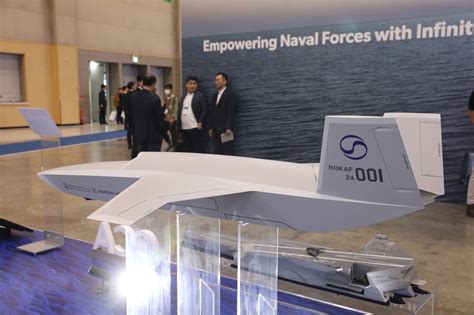
Korean Air's Aerospace Division is set to embark on a significant milestone in defense technology with the planned flight tests of its Low Observable Wingman Uncrewed Aerial Vehicle System (LOWUS) by the end of 2026. This initiative is part of South Korea's broader strategy to enhance its military capabilities, particularly in the realm of unmanned aerial systems. The LOWUS is designed to operate in conjunction with the country's future Collaborative Combat Aircraft, which aims to integrate advanced technologies into its air force.
The development of the LOWUS is a response to the increasing need for advanced aerial combat systems that can work alongside manned aircraft. Korean Air has already delivered two technology demonstrators to the Agency for Defense Development (ADD) in South Korea, marking a crucial step in the project. These demonstrators will serve as the foundation for further testing and refinement of the LOWUS capabilities.
In addition to the initial flight tests, Korean Air has outlined a timeline for future developments. Manned-unmanned teaming trials are scheduled to take place with a KT-1 trainer aircraft in late 2027. This phase will be critical in assessing how effectively the LOWUS can operate alongside traditional manned aircraft, providing enhanced tactical options for the South Korean military.
Looking ahead, full-scale development of the LOWUS is expected to commence in 2029. This timeline reflects Korean Air's commitment to advancing its aerospace technologies and contributing to South Korea's defense initiatives. The integration of unmanned systems into military operations is increasingly seen as vital for modern warfare, and the LOWUS is positioned to play a key role in this evolution.
As the project progresses, it will be essential to monitor the advancements in technology and the implications for South Korea's defense posture. The successful implementation of the LOWUS could not only enhance operational capabilities but also strengthen South Korea's position in the regional security landscape.
In conclusion, Korean Air's ambitious plans for the LOWUS drone system underscore the growing importance of unmanned aerial vehicles in contemporary military strategy. With a clear timeline and defined objectives, the company is poised to make significant contributions to the future of aerial combat in South Korea.
Published by Banx Network. This article is part of the Banx decentralized media programme, powered by the BXE token on the XRP Ledger.