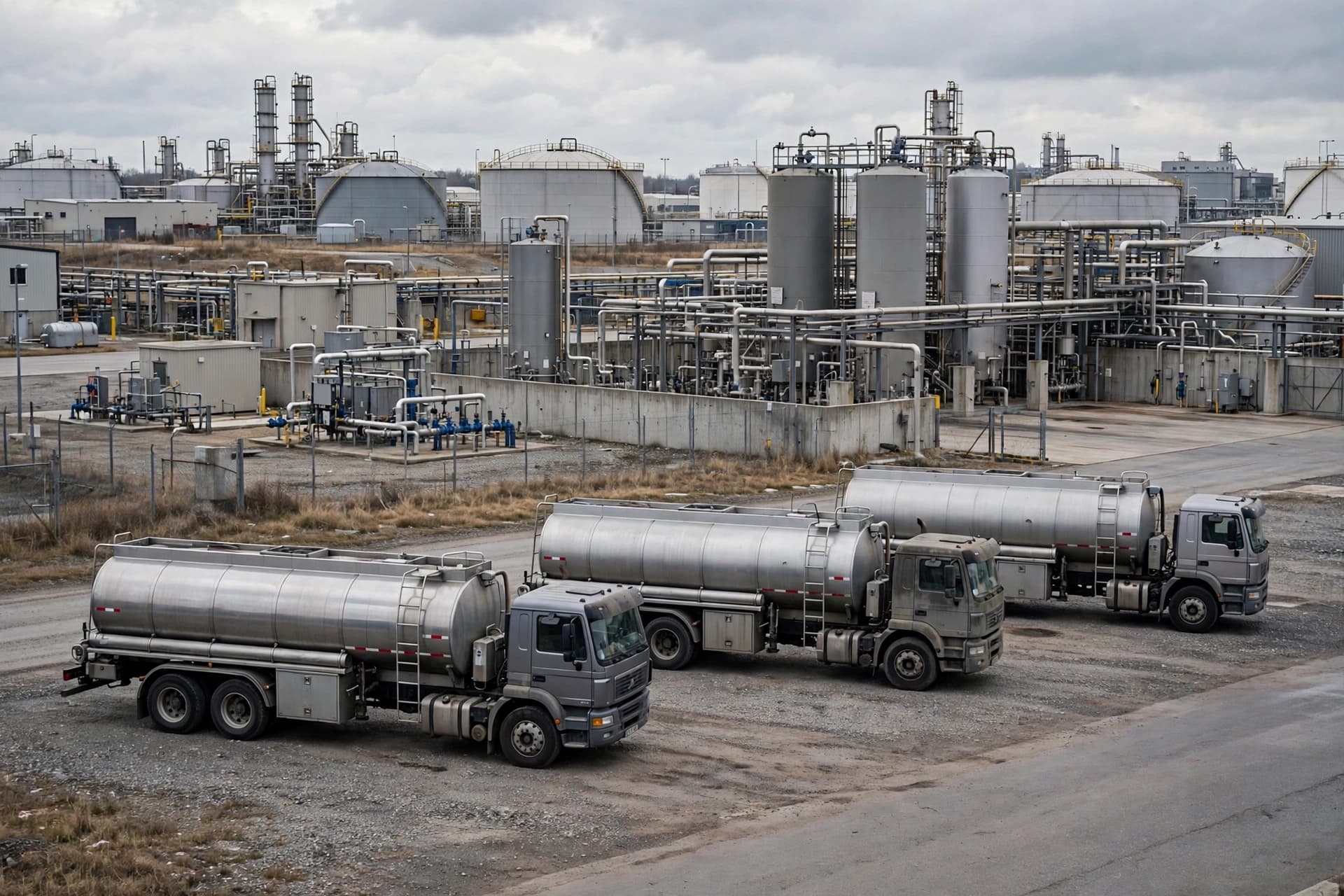
In the world of manufacturing, silence is rarely comforting. A quiet assembly line feels like a held breath—machines waiting, lights dimmed, workers suspended between tasks that can’t yet return. But in Mexico, that silence has finally lifted. Honda has resumed production at its facilities, re-igniting a rhythm that had paused long enough to be felt far beyond the factory gates.
Automotive plants are built around choreography. Steel arrives, components converge, and teams move in practiced synchrony that transforms raw material into something meant to move across continents. When production stops, that choreography dissolves. The return of activity, then, is more than a restart; it is the restoration of a shared tempo—one that supports workers, suppliers, dealerships, and communities woven into the industry’s fabric.
Honda’s facilities in Mexico play a key role in its broader North American manufacturing network. Their output affects not only vehicles with badges recognizable across highways, but also the balance of inventory, logistics, and distribution plans shaped months in advance. A pause, no matter how brief, leaves ripples. A restart brings alignment back into place.
The return to production arrives at a moment when global supply chains continue to walk a delicate line between resilience and vulnerability. Automakers remain attuned to parts availability, shifting demand cycles, and the evolving landscape of electrification. In this context, each plant represents more than a location on a map—it is a node in a system that depends on motion to remain healthy.
For the workers, the restart carries the quiet relief of routine restored. Manufacturing is as much about continuity as it is about innovation. There is comfort in the familiar sound of tools, conveyors, and engines being tested for the first time. There is pride in seeing vehicles roll off the line again, each one a testament to the countless hands and hours invested.
For the industry, Honda’s resumption in Mexico signals stability at a time when consistency itself feels like a competitive advantage. The automotive sector moves quickly, shaped by new technologies and shifting consumer expectations, yet grounded in the reliability of production sites that sustain the momentum.
In the months ahead, the plant’s output will fold seamlessly back into the market, and the temporary interruption will recede into memory. But for now, the restart stands as a reminder of how meaningful it is when industrial systems breathe again—how the renewal of a single factory’s heartbeat can echo across an entire supply chain.
Published by Banx Network. This article is part of the Banx decentralized media programme, powered by the BXE token on the XRP Ledger.