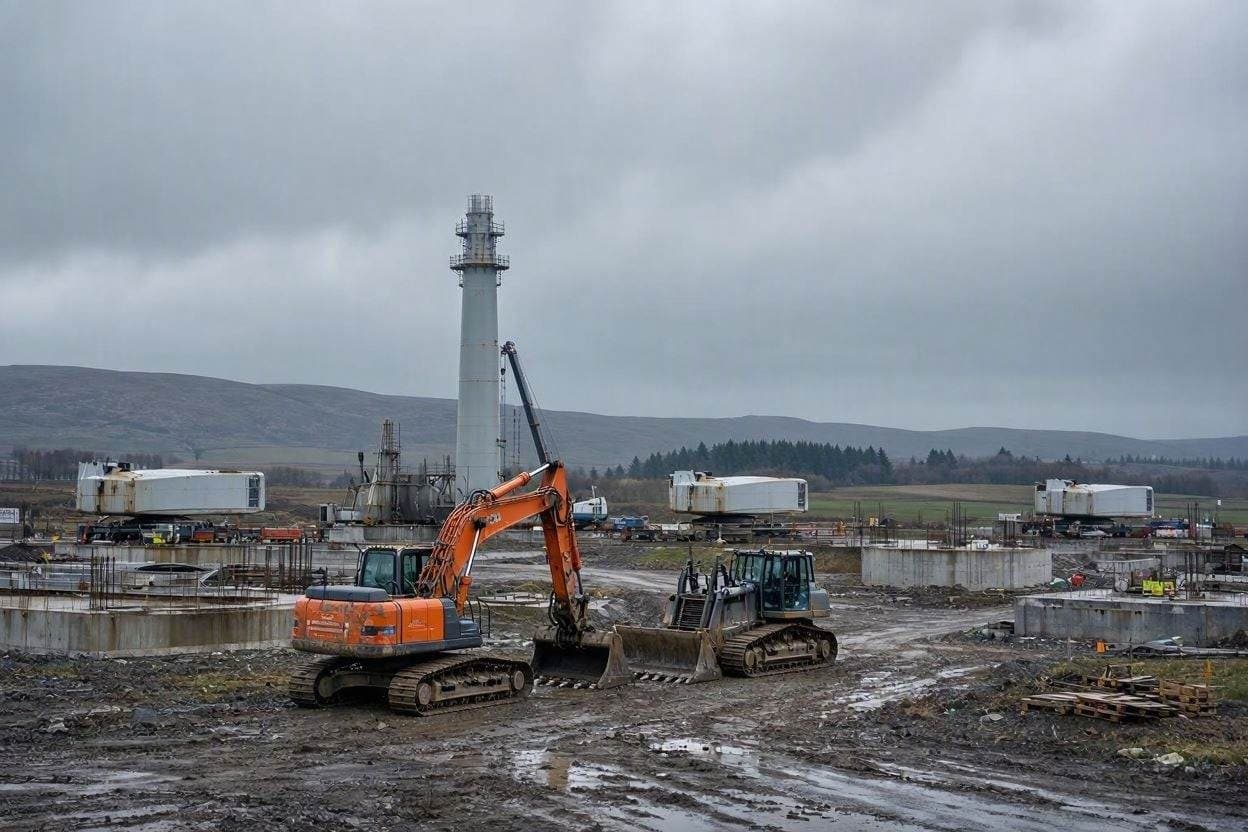
In the complex arena of energy policy, decisions often reflect deeper ideological divides about the future of power and progress. Recently, the Trump administration announced the cancellation of billions in federal funding for renewable energy projects, arguing that such investments are inefficient and distort the market. This move, which affects hundreds of initiatives across the country, has sparked debate about the role of government in shaping the energy landscape. It is a controversial step that prioritizes traditional energy sources over green alternatives, raising questions about long-term sustainability and economic impact.
The cancellations include grants and loans for wind, solar, and other clean energy technologies, totaling over $7 billion. Officials state that these funds are being redirected to support more reliable and domestic energy sources, such as oil and gas. They argue that renewable projects have failed to deliver on promises of affordability and reliability, burdening taxpayers without providing sufficient return. This perspective aligns with a broader strategy to reduce regulatory burdens on fossil fuel industries.
Critics, however, view the decision as a setback for climate action and economic innovation. They point out that renewable energy projects create jobs, reduce emissions, and enhance energy independence. The cancellation of these grants may lead to job losses in the clean energy sector and slow down the transition to a low-carbon economy. For many states, particularly those that voted for Democratic candidates, the loss of funding is seen as politically motivated.
The legal and political fallout from these cancellations is significant. Several lawsuits have been filed by affected companies and states, challenging the administration’s authority to withdraw committed funds. Courts have occasionally intervened, ordering the release of frozen assets, but the uncertainty remains. This legal battle highlights the tension between executive power and legislative intent, creating a chaotic environment for investors and developers.
For the communities hosting these projects, the news is disappointing. Many had anticipated economic benefits, including new infrastructure and employment opportunities. The sudden halt leaves them in limbo, with half-built facilities and unfulfilled promises. Local leaders are calling for clarity and support, urging the federal government to honor its commitments or provide alternative solutions.
The global context adds another layer of complexity. As other nations accelerate their investment in renewable energy, the U.S. risks falling behind in the race for technological leadership. The decision to scuttle these projects may have long-term implications for America’s competitiveness in the green economy. It raises questions about strategic vision and the balance between short-term gains and long-term resilience.
The cancellation of renewable energy projects by the Trump administration is a pivotal moment in U.S. energy policy. As debates continue, the focus remains on the balance between economic efficiency and environmental responsibility. The outcome of these decisions will shape the nation’s energy future for years to come.
AI Image Disclaimer: The images provided are AI-generated to visually represent the political and industrial aspects of the story.
Sources: Oil and Gas Watch Climate Program Portal Utility Dive
Published by Banx Network. This article is part of the Banx decentralized media programme, powered by the BXE token on the XRP Ledger.