In a move that signals how energy strategy is becoming as central to tech growth as semiconductors and artificial intelligence, Meta Platforms has struck landmark agreements with three nuclear power companies to secure more than 6 gigawatts (GW) of electricity — a volume of power that would rank among the largest corporate energy procurements in U.S. history. These long‑term deals are aimed at fueling Meta’s expanding AI data center infrastructure, and reflect a broader shift by big technology firms toward clean, reliable, and scalable energy sources amid surging electricity demand.
Under these agreements — with Vistra, TerraPower, and Oklo — Meta will purchase nuclear‑generated electricity and help advance new reactor technologies, ensuring its data operations are supported by carbon‑free baseload power for decades to come. The combined capacity from existing plants and planned new projects could reach about 6.6 GW by 2035 — roughly equivalent to the output of six typical large nuclear power plants.
At the heart of the plan is a 20‑year power‑purchase agreement with Vistra, which involves buying more than 2.1 GW of power from operating reactors in Ohio and Pennsylvania, while also underwriting capacity upgrades that will keep these plants generating low‑carbon power deep into the 2030s. Meanwhile, Meta is supporting the development of small modular reactor (SMR) projects with Oklo — aiming for about 1.2 GW of future capacity from new reactor campuses in Ohio — and with TerraPower, a firm co‑founded by Bill Gates, backing advanced Natrium reactor technology that could supply up to 2.8 GW of electricity as early as the early 2030s.
The company has framed these partnerships not just as a supply deal but as a forward‑looking investment in U.S. energy infrastructure and technological innovation. Meta’s energy chief, Urvi Parekh, said nuclear power’s reliability and low emissions are crucial for operating massive AI systems like its Prometheus supercluster in New Albany, Ohio — where the energy demands of cutting‑edge computing are expected to grow dramatically.
Energy analysts note that securing firm power amid growing grid strain and rising data‑center demand has become a strategic priority for major tech companies. While renewable sources like wind and solar play important roles, their variability can limit use for always‑on computing needs; nuclear energy offers predictable baseload power without carbon emissions, making it an attractive complement for hyperscalers planning multi‑gigawatt facilities.
Investors have reacted strongly: shares of some supplier companies jumped in trading following the announcements. Vistra’s stock surged as markets digested the long‑term revenue visibility, and Oklo’s shares climbed sharply on optimism that the Meta partnership could help accelerate commercialization of its advanced reactor designs.
Critics caution that while the deals promise large future capacity, new nuclear technologies still face regulatory hurdles, high costs, and long lead times before construction and operation. Nonetheless, Meta’s multi‑company nuclear strategy underscores how energy security and sustainability are now tightly interwoven with the future of AI and cloud computing infrastructure — reshaping how the tech sector thinks about powering tomorrow’s data demands.
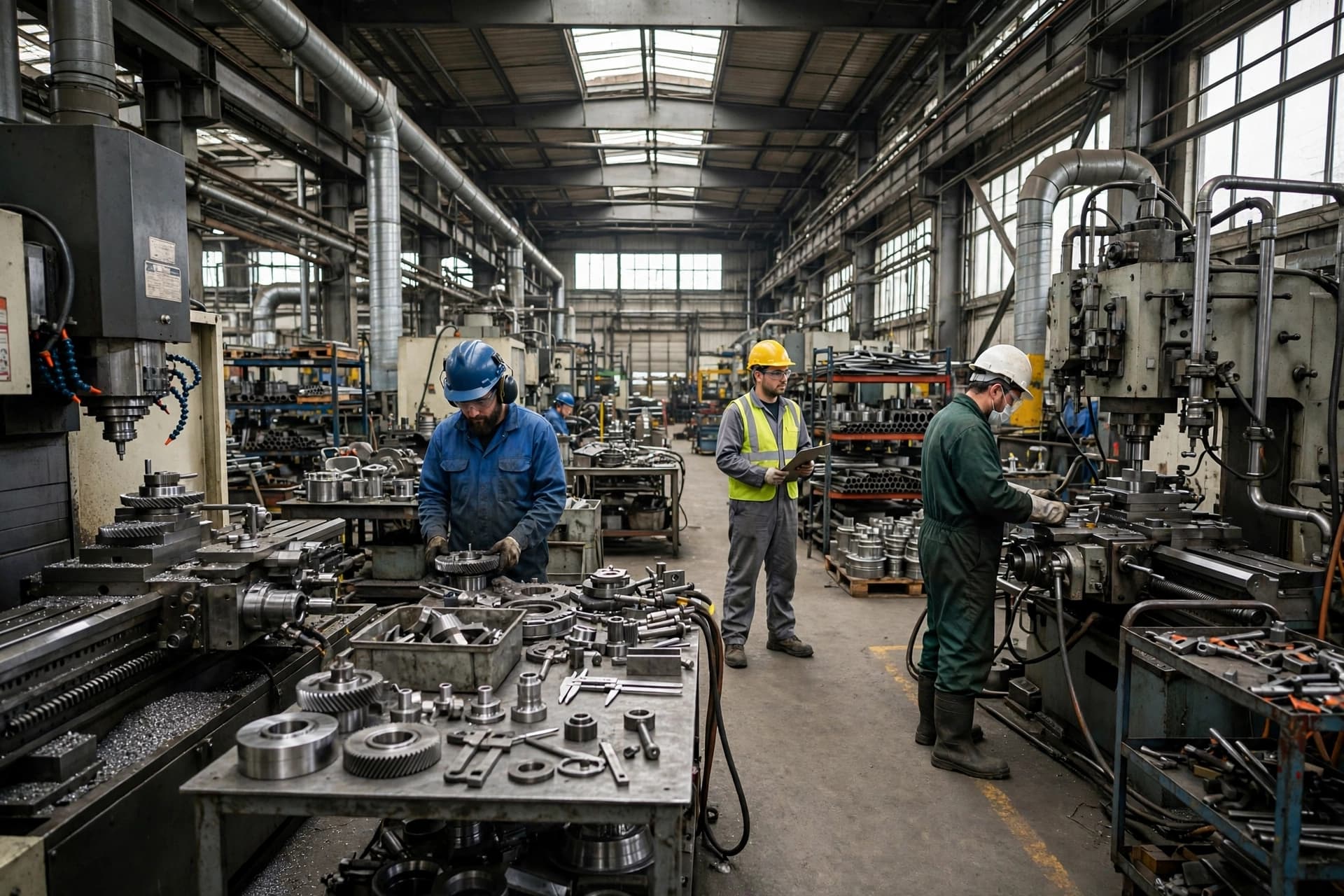
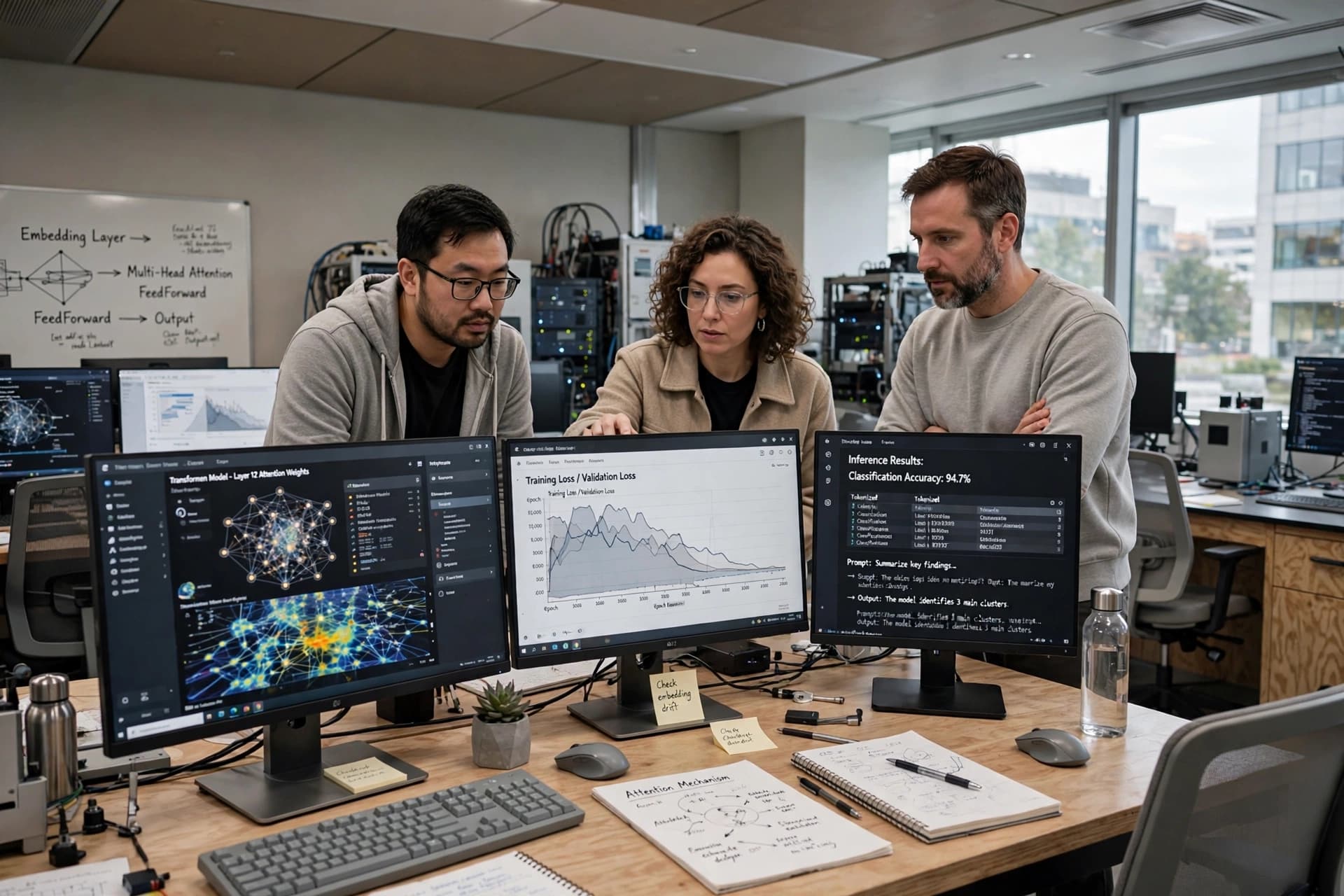
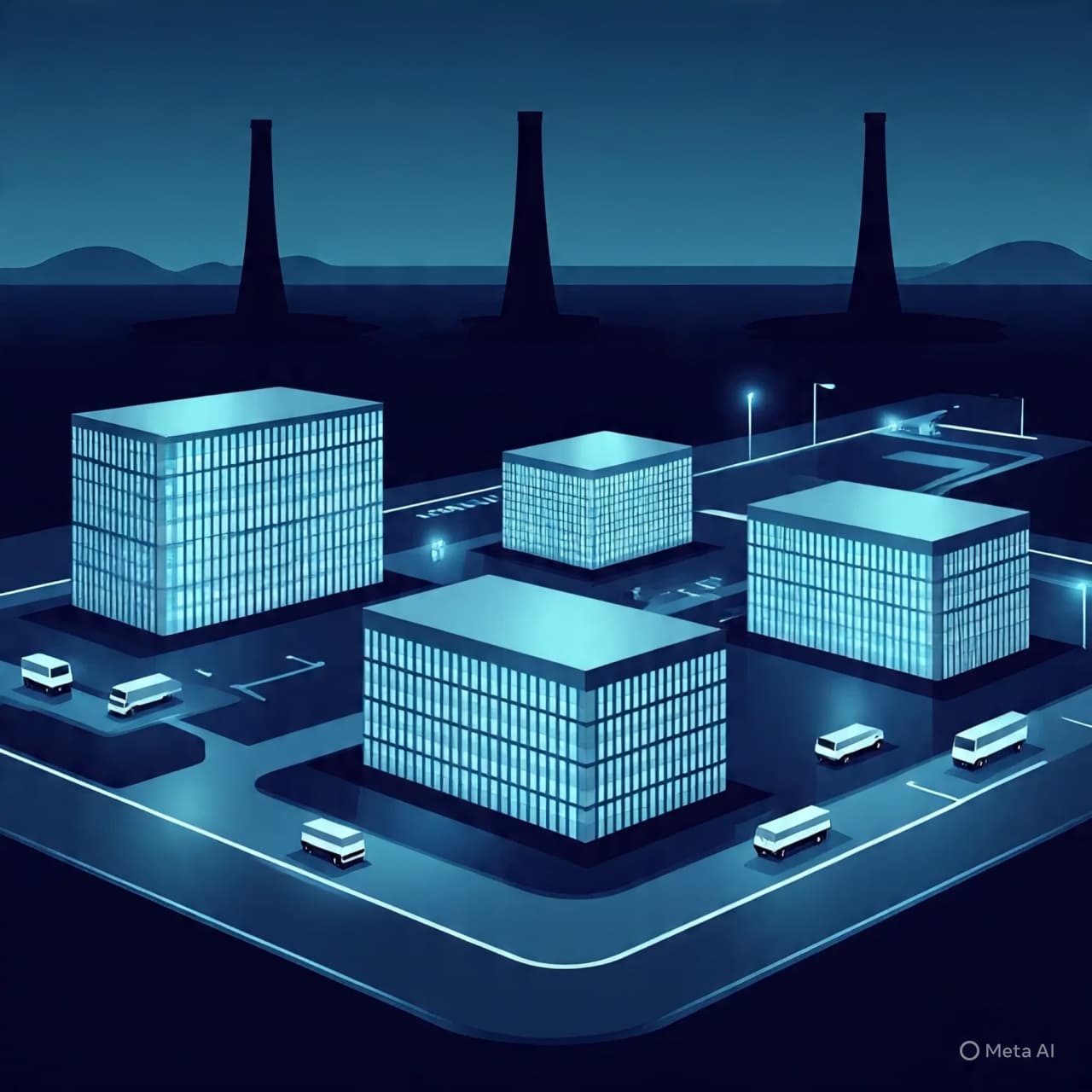
AI Image Disclaimer “Visuals are created with AI tools and are not real photographs; they serve as conceptual illustrations only.”
Sources Reuters The Verge World Nuclear News TechCrunch Data Center Knowledge
Published by Banx Network. This article is part of the Banx decentralized media programme, powered by the BXE token on the XRP Ledger.