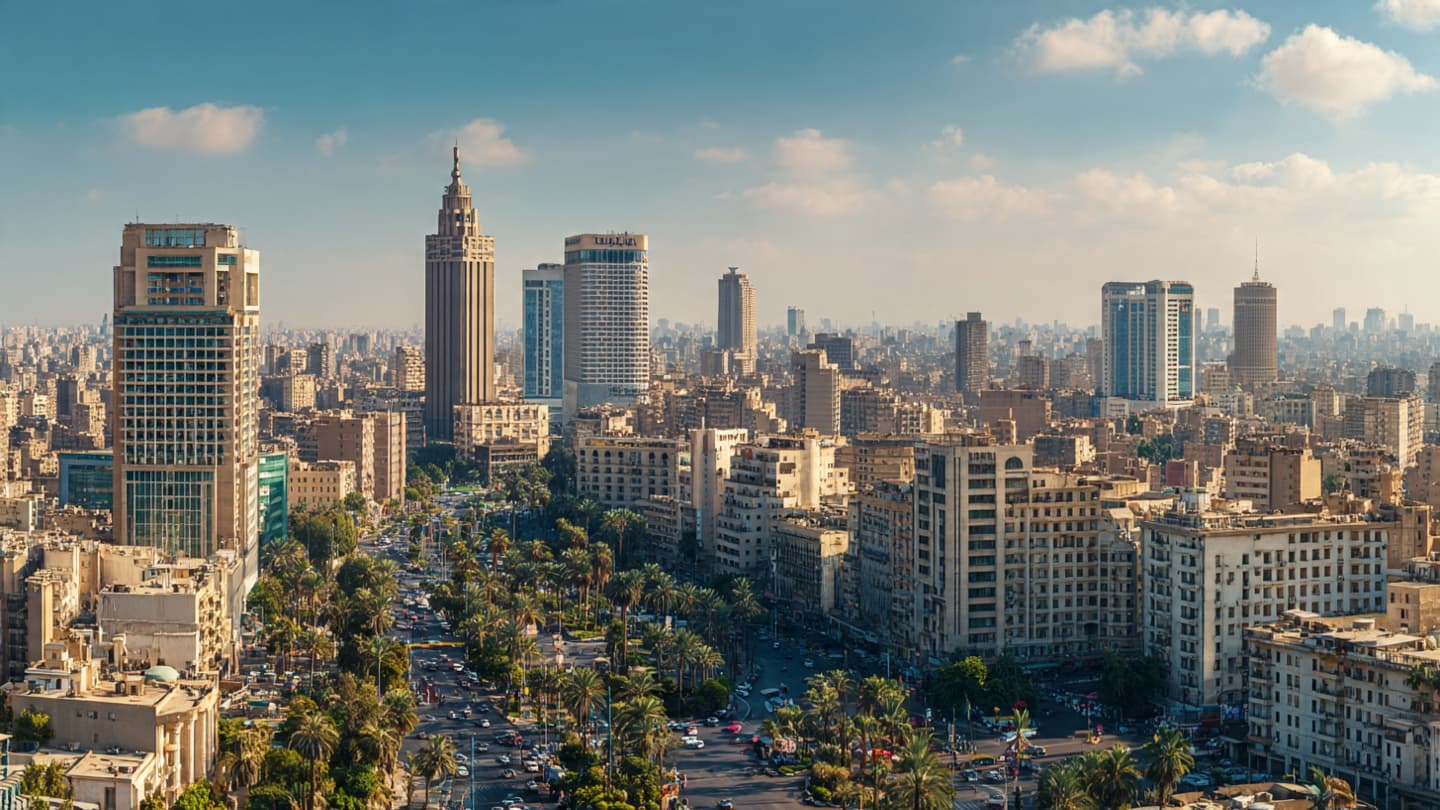
Morning arrives differently in Cairo when the numbers begin to tell a more encouraging story. Alongside the movement of traffic, shops opening and factories beginning another day, economic activity leaves its own quieter traces. Egypt has recorded stronger growth, with the economy expanding 5.1% in the latest fiscal year, according to government figures reported by Reuters.
The figure represents an important improvement in the pace of economic activity after a period in which Egypt faced significant pressure from inflation, foreign-currency shortages and weaker external conditions. Growth has increasingly become connected to efforts to restore stability while encouraging investment and production across different parts of the economy.
The improvement has also been visible in Egypt’s financial markets. Egyptian stocks have benefited from stronger investor sentiment, while companies in fertilizer, industrial and consumer sectors have contributed to market gains. The movement of share prices does not describe the entire economy, but it provides one indication of how expectations around businesses and future activity can change.
Behind those market movements sits a broader effort to strengthen economic activity. Egypt has been seeking to attract investment, expand production and improve foreign-currency availability while reducing some of the pressures that previously weighed on businesses. These changes do not arrive all at once. Instead, they appear gradually through individual companies, projects and investment decisions.
The tourism industry has also remained an important source of economic activity. Egypt’s historic sites, Red Sea resorts and cultural destinations continue to bring international visitors, generating revenue for hotels, transportation companies, restaurants and other businesses connected to tourism. The sector therefore represents more than travel alone; it forms part of the wider network through which money moves through the economy.
Industrial production provides another important layer. Egypt’s large domestic market creates demand for food, construction materials, chemicals, consumer goods and other products. When factories increase production, the effect can extend into transportation, employment and supporting services, creating a chain of activity that reaches well beyond individual industrial facilities.
At the same time, Egypt remains exposed to developments beyond its borders. Changes in global commodity prices, shipping costs, energy markets and regional trade routes can influence domestic businesses. The country’s geographic position gives it an important role in international commerce, while also leaving parts of the economy sensitive to shifts in global conditions.
The 5.1% growth figure therefore arrives as part of a wider economic transition rather than as an isolated statistic. Businesses are adapting to changing costs and demand, investors are watching market conditions, and policymakers continue to focus on maintaining stability while encouraging productive activity.
As the new economic picture develops, the most important question will be whether stronger growth can continue across a broad range of sectors. For now, the latest figures offer a clearer sign of movement after a difficult period, with Egypt’s economy showing renewed momentum as businesses and markets adjust to changing conditions.
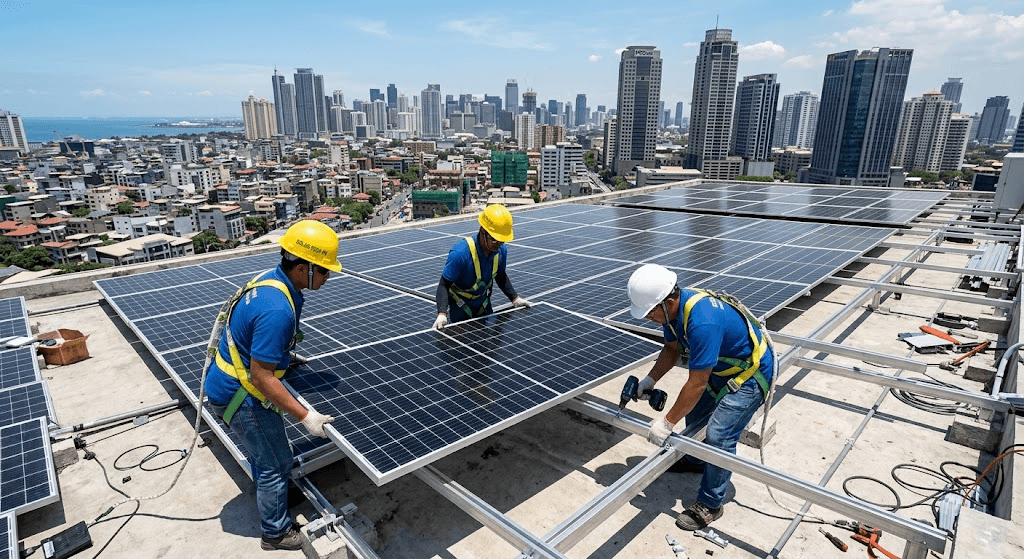
AI Image Disclaimer The illustrations accompanying this article are AI-generated visual representations created to support the economic context discussed in the report. They are not photographs of actual events.
Sources Reuters Arab News Central Bank of Egypt
Published by Banx Network. This article is part of the Banx decentralized media programme, powered by the BXE token on the XRP Ledger.