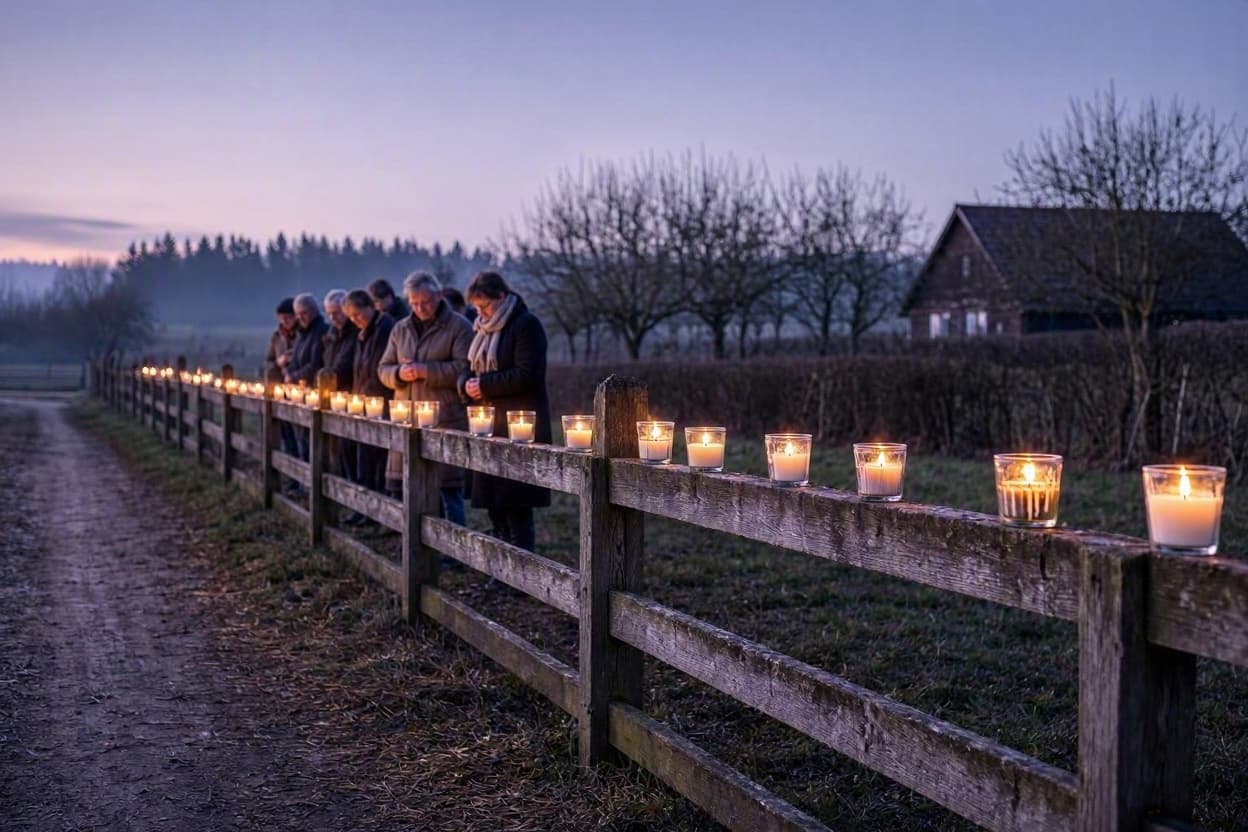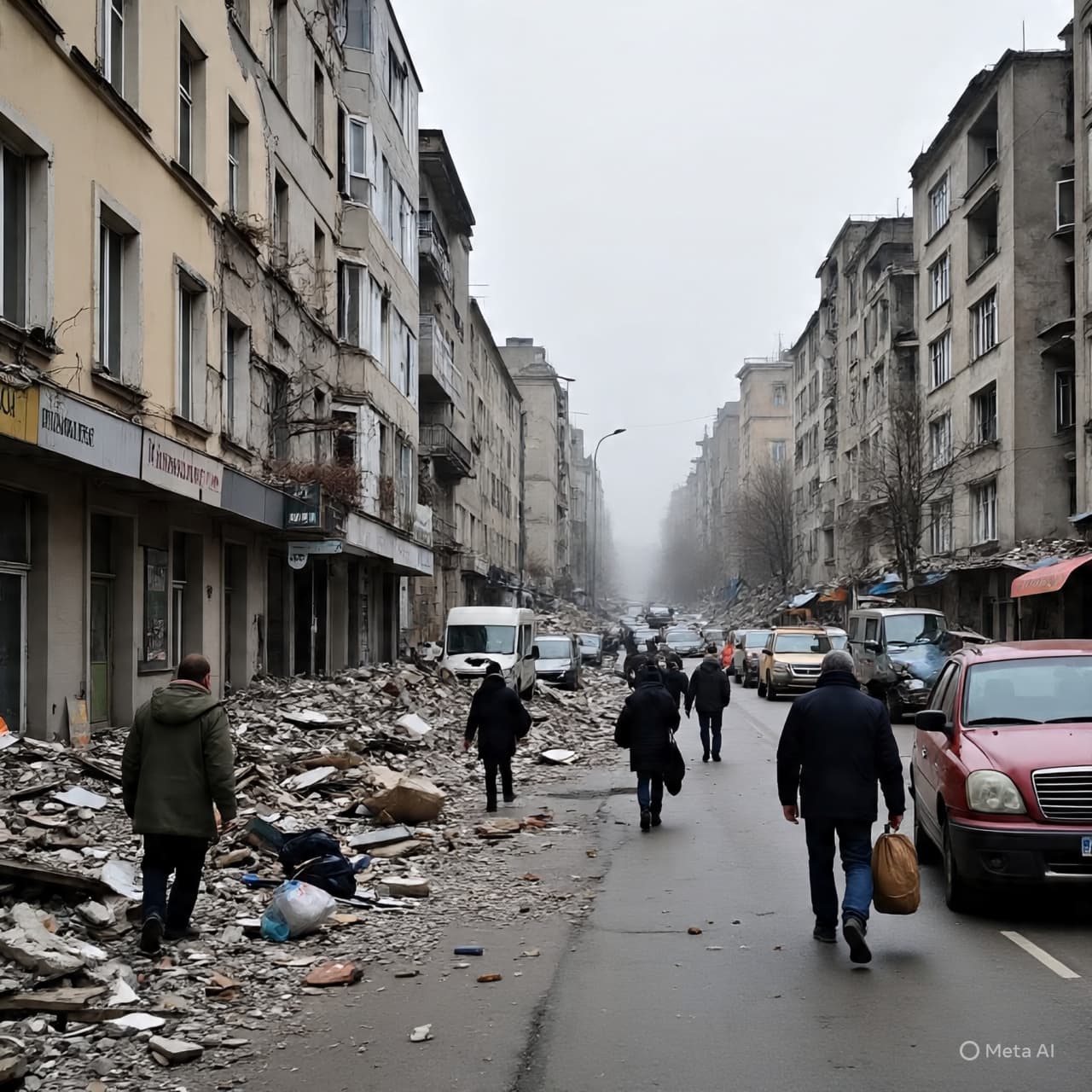
In the quiet spaces between explosions and the hum of distant generators, there exist stories that resist easy measurement — the small, persistent details of everyday life in areas touched by war. For people who have crossed front lines or escaped shattered towns, memories of what it was like to live under another flag remain vivid and haunting. Like echoes in a canyon, their accounts reflect both fear and endurance, shaped by the relentless pressures of uncertainty and lost normalcy. These voices, carried outward by those who have fled, paint a picture of communities struggling to breathe amid rubble, shifting identities, and the weight of occupation.
In villages such as Kudriashivka and cities like Mariupol, residents who remain or once lived under Russian control recount conditions that stretch far beyond the battlefield scars visible on broken streets. Four years into the full-scale invasion that began in February 2022, those areas—now under Moscow’s administration—have seen vital infrastructure collapse and basic services fray at the edges. Water, electricity, heating, and access to healthcare are all chronic concerns for families who once considered these necessities mundane.
For many, the decision to flee was not tied simply to fear of shelling but to a slower unraveling of security and possibility. Inna Vnukova, now living in Estonia, remembers hiding in a damp basement with her son, listening to the distinctive rhythm of mortar fire and the shouts of soldiers establishing checkpoints. Civilians lived with the constant tension of encountering armed patrols, looting, and intimidation.
Those who stayed behind have had to navigate a complex landscape of imposed identity and legal requirements. Moscow’s authorities have forced residents to accept Russian citizenship in the so-called annexed regions, making access to basic services contingent on new documentation, language requirements, and cultural mandates in schools. Many Ukrainians face everyday fear of being identified as sympathizers of Kyiv and suffer arbitrary detention or worse, according to human rights activists.
Stories of repression and scrutiny recur: sudden document checks, surprise house inspections, and pressure on individuals believed to hold Ukrainian loyalties. Some former residents describe having to strip or surrender personal items in humiliating encounters with soldiers who sought signs of Ukrainian identity. Activists warn of widespread networks of detention centers where civilians are held without charge, and accounts of physical mistreatment emerge from interviews with people who managed to escape.
Amid these pressures, some services have been restructured, healthcare personnel rotated in from other Russian regions, and benefits offered to those willing to move into the occupied territories. Yet for many residents, daily life remains a struggle against environmental hardship and social isolation. Lines for water deliveries stretch long in winter, and housing shortages force families into cramped conditions with little hope of improvement.
Official Russian statements acknowledge social and infrastructure problems in the occupied regions and outline programs aimed at socioeconomic development. Leaders in these areas stress efforts to improve access to vital services. Meanwhile, displaced Ukrainians who speak of these experiences continue to rebuild their lives abroad, carrying memories of hardship and resilience. Human rights organizations and activists emphasize the ongoing challenges faced by civilians where occupation remains, even as conflict and negotiations evolve.
AI Image Disclaimer “Visuals are created with AI tools and are not real photographs.”
Sources Associated Press, Los Angeles Times, AP News / multiple outlets, and Arab News reports.
Published by Banx Network. This article is part of the Banx decentralized media programme, powered by the BXE token on the XRP Ledger.