In the quiet expanses of Montana, where communities are often bound by close kinship and shared history, a tragedy has unfolded that defies comprehension. A local man is accused of killing eight of his own relatives, including four children, shattering the peace of a rural neighborhood. This horrific event serves as a somber reminder of the fragility of domestic safety and the devastating potential of unresolved conflict within families. It is a story that leaves a community grappling with grief, confusion, and the search for answers in the wake of unimaginable loss.
The incident occurred in a residential area, where neighbors described the family as generally private but integrated into the local social fabric. When emergency services arrived, they discovered a scene of profound violence that has left investigators working to piece together the timeline and motive. The inclusion of young children among the victims adds a layer of heartbreak that resonates deeply, invoking a collective sense of vulnerability and sorrow. Such acts strike at the core of societal values, challenging our understanding of trust and protection within the home.
Law enforcement officials have stated that the suspect was taken into custody shortly after the incident. While details regarding the specific circumstances remain under investigation, early reports suggest that long-standing familial disputes may have played a role. However, no explanation can justify the loss of innocent lives, particularly those of children who were dependent on their elders for safety and care. The community is now left to navigate the aftermath, supporting survivors and honoring the deceased.
Mental health experts often point to the complex interplay of stress, isolation, and untreated psychological issues in cases of familicide. While it is too early to determine the specific factors in this case, the tragedy highlights the importance of accessible mental health resources and early intervention strategies. Communities are reminded that signs of distress, though sometimes subtle, warrant attention and support. It is a call to foster environments where individuals feel safe seeking help before crises escalate.
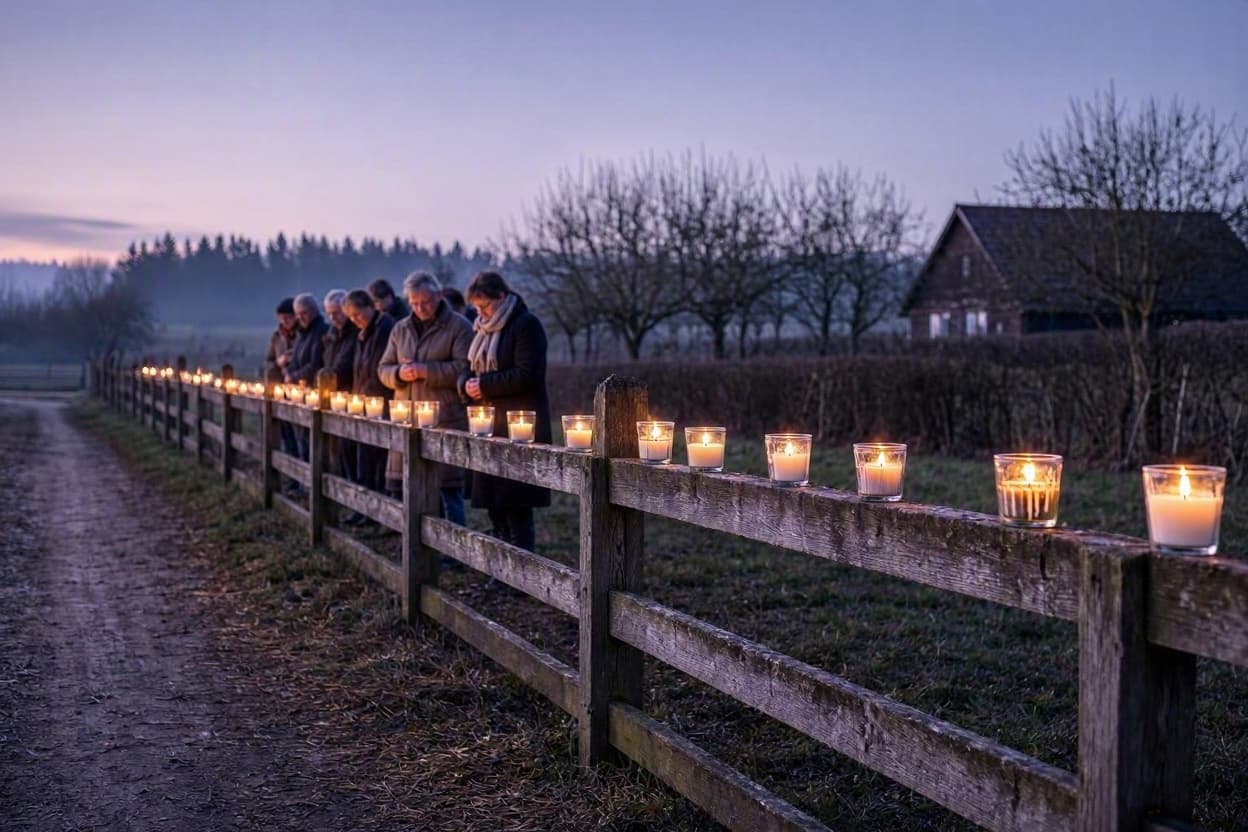
The impact on the local community is profound. In small towns, such events ripple through schools, churches, and local businesses, affecting everyone who knew the families involved. Vigils and memorial services have become spaces for collective mourning, allowing residents to express their shock and solidarity. These gatherings serve not only as tributes to the victims but as mechanisms for communal healing, helping people process the trauma together.
Legal proceedings will likely take months, if not years, to unfold. The judicial process must balance the need for accountability with the rights of the accused, ensuring that justice is served through due process. For the families of the victims, this period is one of enduring pain, as they navigate the legal system while trying to rebuild their lives. The court case will be watched closely, not just for its outcome but for the insights it may provide into preventing similar tragedies.
This event also sparks broader conversations about gun safety and domestic violence prevention. Advocates urge policymakers to consider measures that could mitigate the risk of lethal violence in domestic settings. While legislation alone cannot prevent all acts of violence, it can create frameworks that prioritize safety and provide tools for intervention. The dialogue surrounding this tragedy may lead to meaningful changes in how society addresses domestic conflict.
The killing of eight relatives in Montana is a devastating loss that leaves a permanent scar on the community. As investigations continue and the legal process begins, the focus remains on supporting those affected and seeking understanding. In the face of such darkness, the resilience of the community and the commitment to justice offer a path forward, however difficult it may be.
AI Image Disclaimer: Please note that any accompanying visuals for this article are AI-generated representations intended for illustrative purposes only.
Sources: Associated Press, NBC News, Local Montana Police Reports, CNN
Published by Banx Network. This article is part of the Banx decentralized media programme, powered by the BXE token on the XRP Ledger.