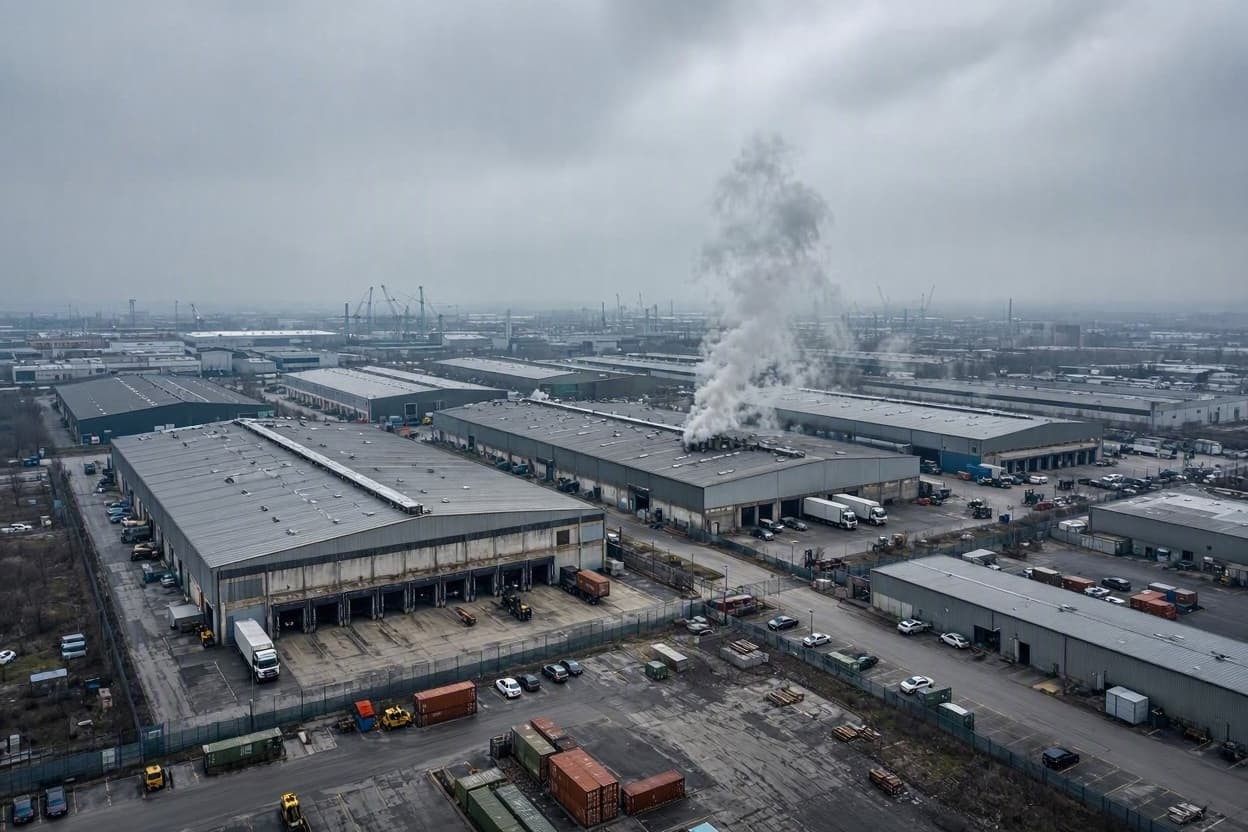
War, in its modern iteration, often extends far beyond the front lines, reaching into the logistical hearts of nations through technology and distance. The recent destruction of a Wildberries depot in Russia marks a significant escalation in Ukraine’s drone campaign, targeting critical infrastructure deep within Russian territory. This event illustrates how conflict has evolved into a contest of supply chains and economic resilience, where commercial hubs become strategic targets. It is a stark reminder that in contemporary warfare, the boundary between civilian commerce and military necessity is increasingly blurred.
Wildberries, one of Russia’s largest online retailers, relies on a vast network of warehouses to distribute goods across the country. The destruction of such a facility disrupts not only the company’s operations but also the daily lives of millions of consumers who depend on its services. The attack demonstrates the growing range and precision of Ukrainian drone technology, which has been adapted to strike targets hundreds of kilometers from the border. This capability challenges traditional notions of security, forcing a reevaluation of defense strategies for inland infrastructure.
For the Russian government, the attack is both a logistical setback and a symbolic blow. It highlights vulnerabilities in air defense systems that were presumed to protect key economic assets. The response has been a mix of condemnation and accelerated efforts to bolster defensive capabilities. Officials emphasize the resilience of the economy, asserting that such disruptions are temporary and manageable. However, the repeated success of these drone strikes suggests a persistent threat that requires substantial resources to counter.
From a military perspective, targeting logistics is a time-honored strategy aimed at weakening an adversary’s ability to sustain war efforts. By disrupting supply chains, Ukraine aims to create economic pressure and logistical bottlenecks that could impact military production and morale. The choice of a commercial depot underscores the interconnectedness of civilian and military economies in modern states. It raises ethical questions about the proportionality of such attacks and their impact on non-combatants.
The international community watches these developments with concern, aware of the potential for further escalation. Each strike risks provoking a stronger retaliatory response, potentially widening the scope of the conflict. Diplomatic channels remain active, seeking ways to de-escalate tensions, but the momentum of military action often outpaces diplomatic efforts. The destruction of the depot is another step in a cycle of violence that shows little sign of abating.
For employees and local residents near the depot, the immediate impact is one of displacement and uncertainty. Jobs are lost, and local economies suffer from the disruption of business activity. The human cost of strategic bombing is often measured in these indirect ways, affecting livelihoods and community stability. Recovery efforts will take time, requiring significant investment and coordination to restore normalcy.
Technologically, this event showcases the evolution of drone warfare. Cheap, accessible, and effective, drones have become a key tool for asymmetric warfare, allowing smaller forces to inflict significant damage on larger adversaries. As both sides adapt their tactics, the role of unmanned aerial vehicles will likely continue to grow, reshaping the landscape of modern combat. Innovation in defense and offense proceeds at a rapid pace, driven by the necessities of survival.
The destruction of the Wildberries depot is a poignant example of how modern conflict permeates every aspect of society. It underscores the vulnerabilities of even the most robust economic systems in the face of targeted technological attacks. As the war continues, the focus remains on the human and economic toll, reminding us that behind every strategic target are lives and livelihoods affected by the broader geopolitical struggle.
AI Image Disclaimer: Please note that any accompanying visuals for this article are AI-generated representations intended for illustrative purposes only.
Sources: Reuters, The Kyiv Independent, BBC News, TASS
Published by Banx Network. This article is part of the Banx decentralized media programme, powered by the BXE token on the XRP Ledger.