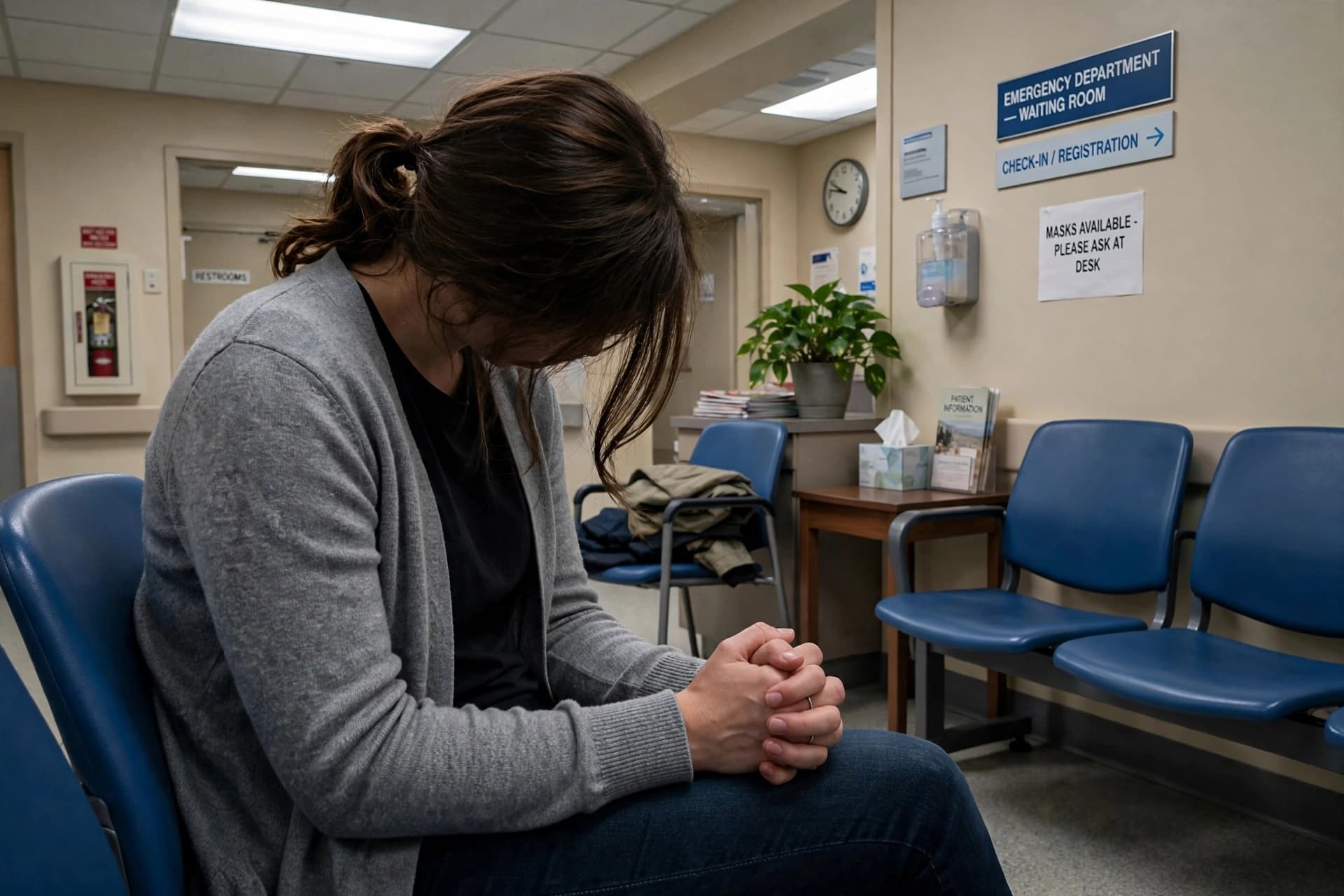
In the silent pause between winter’s deepening dusk and the long night’s edge, communities sometimes find themselves listening more closely — to the warmth of laughter indoors, to the subtle shift of seasons, and to the whisper of health reports that travel through towns as quietly as falling snow. For the people in northeastern British Columbia, the rhythm of daily life includes a mindful awareness of health, of families and neighbours, and of the shared space we breathe together.
On January 23, 2026, Northern Health confirmed that two more measles cases have been detected in the northeast of the province. This update from the BC Centre for Disease Control reflects not just a simple count, but a continuation of a story that has been unfolding for months — one of vigilance, community response, and a public health system attentive to changes in its midst.
Since June 2025, the outbreak of measles in British Columbia has grown from a few travelers returning with symptoms to a larger pattern of spread, especially within the Northern Health authority region. Across the province, more than 400 confirmed and probable cases have been recorded, yet it is the communities in the Peace region that continue to carry a disproportionate share of this burden.
In a place where the air carries the crisp scent of spruce and the horizon seems endless beneath pale winter skies, measles — a virus known for its warmth‑seeking sparkle of symptoms — has reminded people of how vulnerable even familiar places can become when a contagion quietly passes among us. With symptoms that include fever, cough, runny nose and a characteristic rash, measles travels not by choice but through the invisible current of shared breaths and close proximity.
Yesterday’s report notes that northeast B.C. remains the part of the province with the most active cases, and while the numbers have risen gradually through the winter months, each new case is both a statistical increase and a human story. The public health response — from immunization reminders to outreach at clinics and community centres — has been shaped by this realism, balancing care with communication.
The history of measles in the region this season reads like a slow crescendo: monthly updates from health officials through the summer and fall noted increases in Fort St. John, Wonowon and surrounding communities as the virus found ways to circulate where immunity had gaps.
Through it all, health authorities continue to advise those who may have been exposed — particularly children, older adults, and people with weakened immune systems — to watch for symptoms and to seek testing and care as necessary. High vaccination coverage, they remind, remains the most effective protection against measles’ spread.
In the quiet of northeast B.C.’s winter landscape, these health alerts carry the same soft cadence as a new snowfall — noticeable when you pay attention, gentle yet firm in their intent. They speak of a community’s shared responsibility and the care with which public health stewards watch over the well‑being of its residents.
While each newly recorded case is significant in its own right, Northern Health continues to work with partners, clinics and residents to monitor and respond to the evolving measles situation, offering guidance grounded in scientific understanding and community engagement.
AI Image Disclaimer Visuals are created with AI tools and are not real photographs.
Sources (Credible Mainstream/Niche) EnergeticCity.ca (local news) CJDCTV / CJDCTV News (regional reporting) Prince George Citizen (regional news) CityNews Vancouver (provincial coverage) Global News Canada (national broadcast affiliate)
Published by Banx Network. This article is part of the Banx decentralized media programme, powered by the BXE token on the XRP Ledger.