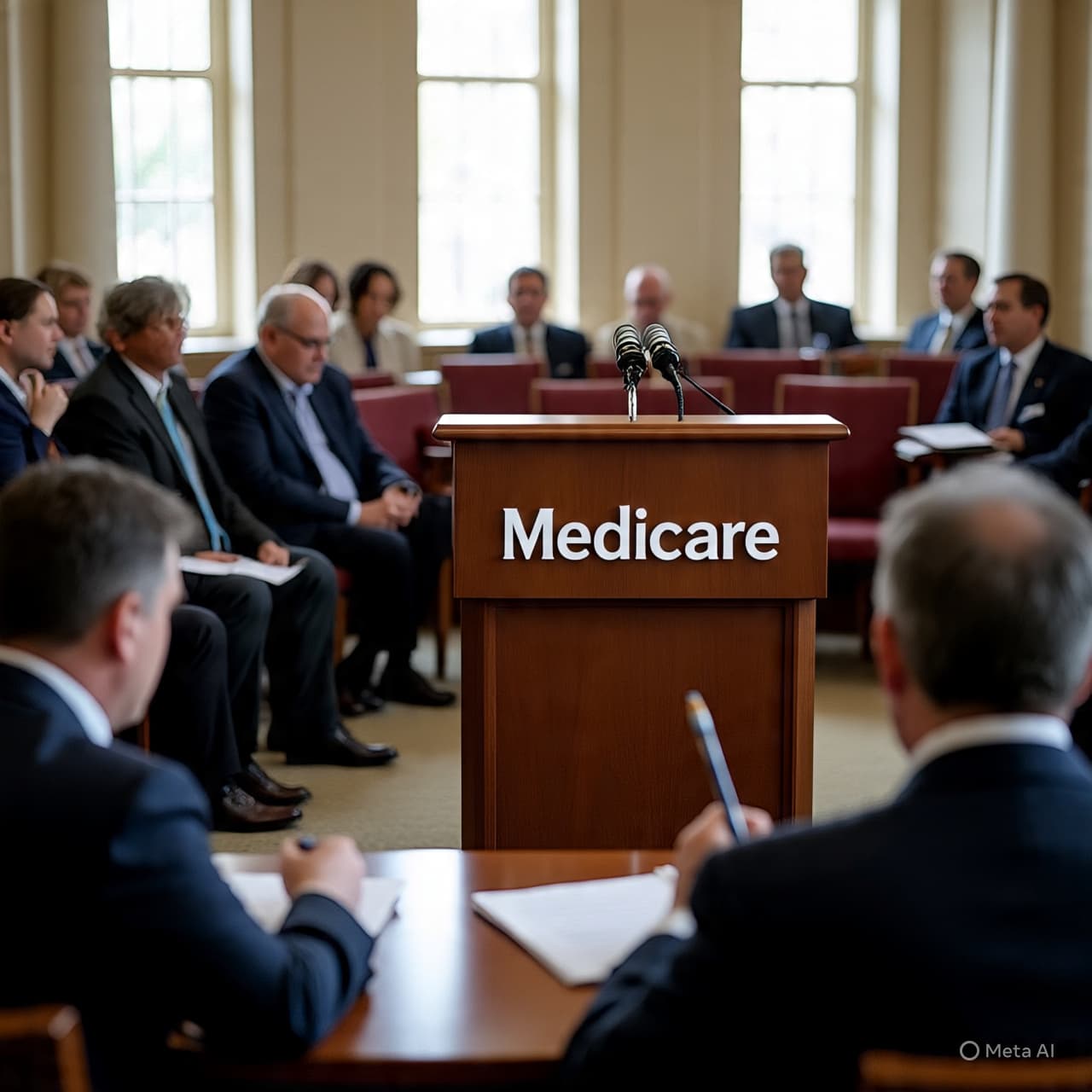
In the hushed winter light of Washington’s policy corridors, where statutes settle into the rhythm of calendars and budgets, a new chapter is unfolding in America’s long conversation about health care costs. On the cusp of another fiscal year and further ahead of elections, a federal initiative aimed at taming the spiraling cost of prescription medicines has come into renewed focus — bringing hopes, critiques, and cautious anticipation into the same room.
The Trump administration announced Tuesday that 15 additional high-cost medications will be added to the Medicare Drug Price Negotiation Program, a mechanism created under the 2022 Inflation Reduction Act that empowers the federal government to directly haggle with drug manufacturers over what it pays for certain treatments. These negotiations — a departure from decades of largely hands-off pricing — are poised to shape prices that will take effect beginning January 1, 2028.
Among the newly selected drugs are treatments for conditions that touch millions: type 2 diabetes medications like Trulicity, HIV regimens such as Biktarvy, and even drugs used for migraine relief and chronic conditions that once seemed immune to cost containment efforts. These medicines, taken together by roughly 1.8 million Medicare enrollees, represent a meaningful slice of the program’s prescription drug spending.
For seniors tracing their pill bottles with tired fingers and taxpayers balancing national budgets in spreadsheets, this feels both practical and symbolic. The negotiation program — clocking its third round of drug selections — embodies a subtle shift from passive reimbursement toward active stewardship, a recognition that rising costs have seeped into the everyday lives of older Americans and those with disabilities.
Yet, behind the announcement’s measured language lies a broader contest of ideas. Backers such as AARP’s CEO have framed the move as a tangible step to relieve patients across political divides, reflecting a shared urgency among older adults to see drug costs fall. At the same time, groups representing pharmaceutical manufacturers continue to argue that government price setting could stifle innovation and complicate patient access.
The clock of implementation doesn’t click immediately. Negotiations will unfold throughout the year, with companies invited to participate or face financial consequences for opting out. Only after terms are settled will Medicare’s negotiating power translate into real numbers on bills and pharmacy counters. This delay — almost two years from announcement to price effect — reminds observers that policy is as much about patience as it is about purpose.
In these layers of calendars and contingencies lies the larger story. It’s not just about which drugs are chosen, or how much money might be saved. It’s about imagining a system that balances innovation, cost, and care — a reflection of national values as much as financial prudence. And as federal agencies, industry leaders, and advocacy groups watch and weigh in, that delicate negotiation continues, far from the public eye but close to the lives of those who depend on each prescription.
AI Image Disclaimer
Illustrations are AI-generated and serve as conceptual representations
Sources
Associated Press coverage of the announcement Reuters reporting on selected drugs CMS press release on drug price negotiations
Published by Banx Network. This article is part of the Banx decentralized media programme, powered by the BXE token on the XRP Ledger.