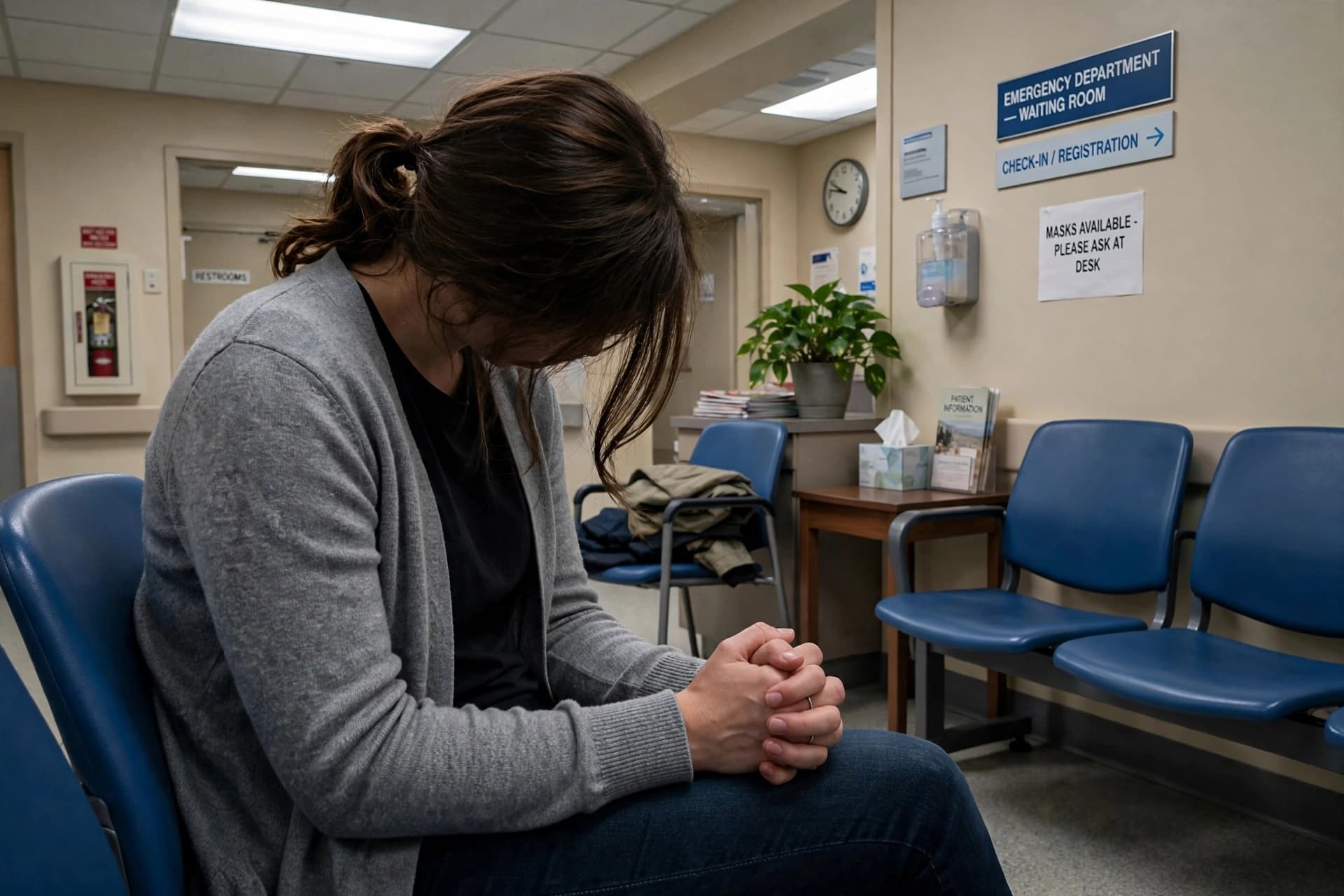
In the quiet corners of a mind besieged by unseen storms, words often become the only refuge. For Lindsay Clancy, a diary was not merely a record of days but a testament to a growing desperation, a fragile bridge between her internal reality and the world she could no longer fully grasp. The entries, marked by a haunting "brain fog," reveal a woman struggling against the tides of postpartum mental illness, offering a somber glimpse into the silence that can precede tragedy.
The narrative of Clancy’s life, as revealed through these personal writings, is one of profound isolation. She described a mental landscape where clarity evaporated, replaced by a dense, disorienting haze that made even simple tasks feel insurmountable. This fog was not just a metaphor but a lived experience, a symptom of severe postpartum depression and psychosis that clouded her judgment and severed her connection to reality. Her words paint a picture of a mother who loved deeply but was increasingly unable to access that love through the thick veil of her illness.
As the days turned into weeks, the diary entries grew more urgent, reflecting a mind in crisis. Clancy wrote of feeling trapped, of a desperation that clawed at the edges of her consciousness. She sought help, reaching out to medical professionals and loved ones, yet the support systems meant to catch her seemed to falter under the weight of her condition. The gap between her need for intervention and the care she received became a chasm too wide to cross alone, leaving her adrift in a sea of confusion and fear.
The concept of "brain fog" in this context is far more than mere forgetfulness; it is a debilitating cognitive impairment that distorts perception and decision-making. For Clancy, it meant losing track of time, misinterpreting signals, and feeling a profound sense of detachment from her own identity. This cognitive decline was accompanied by intense emotional volatility, swinging from despair to anxiety, further eroding her ability to function as a caregiver and a partner.
Her story highlights the often-invisible nature of postpartum mental health struggles. While society celebrates the joy of new life, it frequently overlooks the dark shadows that can accompany it. Clancy’s diary serves as a stark reminder that mental illness does not discriminate, affecting individuals from all walks of life, including those who appear to have everything together. Her struggle was not a failure of character but a manifestation of a serious medical condition that went untreated in its most critical stages.
The legal proceedings that followed brought these private writings into the public sphere, forcing a confrontation with the complexities of maternal mental health. Experts testified about the severity of postpartum psychosis, explaining how it can lead to delusions and harmful behaviors that are entirely out of character for the individual. The diary entries became crucial evidence, not to excuse the outcome, but to explain the path that led there, offering a window into the deteriorating state of Clancy’s mind.
The tragedy of Lindsay Clancy is a sobering call to action for better mental health support for new mothers. It underscores the need for early detection, comprehensive care, and a societal shift in how we view postpartum mental illness. Her diary remains a poignant echo of a struggle that should never have ended in such devastation, reminding us of the importance of listening to the silent cries for help that often go unheard.
AI Image Disclaimer: The accompanying visual representations are generated by artificial intelligence to illustrate the thematic elements of the narrative.
Sources: Boston Globe NBC News CBS Boston
Published by Banx Network. This article is part of the Banx decentralized media programme, powered by the BXE token on the XRP Ledger.