As 2026 begins, American drivers and car buyers are paying close attention to changes in federal tax incentives for vehicles made in the United States. The Internal Revenue Service has released updated guidance outlining which models qualify for tax breaks, marking a significant step in the country’s ongoing effort to encourage domestically produced electric vehicles (EVs) and support the broader transition toward clean energy.
At the heart of the rules is the requirement that vehicles meet specific domestic content thresholds. Cars and trucks must contain a certain percentage of American-made components to be eligible for the full federal credit. The IRS guidance clarifies which parts count toward this threshold, how manufacturers must certify compliance, and how buyers can claim the incentive when filing taxes.
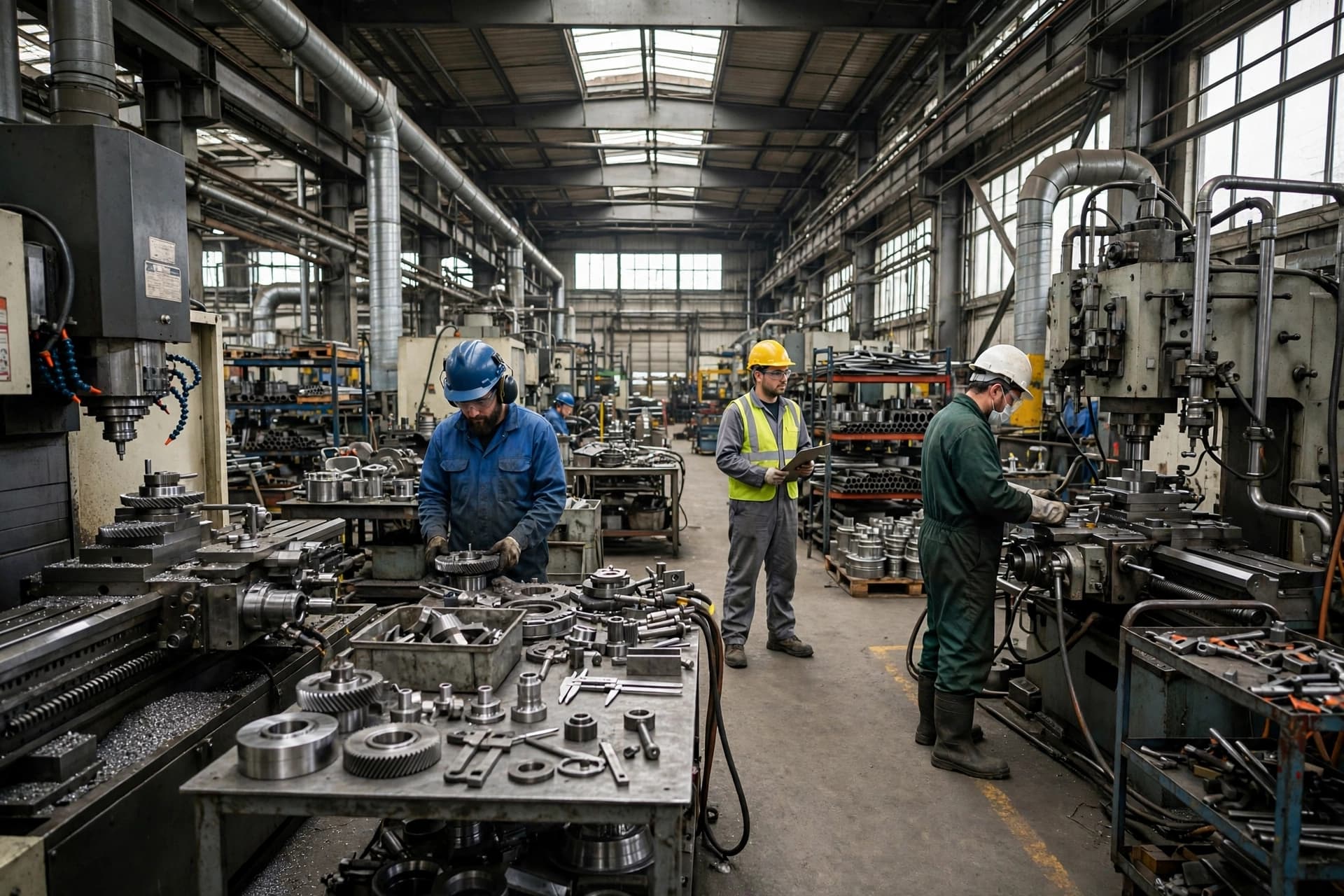
The tax break is intended to do more than reduce the sticker price for consumers. By tying incentives to domestic production, policymakers aim to strengthen the U.S. automotive supply chain, create jobs in manufacturing hubs, and reduce reliance on imported materials. Automakers are responding with adjusted production strategies, sourcing more components from U.S. suppliers and ramping up assembly lines within the country to meet eligibility criteria.
For consumers, the impact can be substantial. Eligible buyers may see thousands of dollars deducted from their tax liability, lowering the effective cost of EVs and other qualifying vehicles. However, not all models automatically qualify, and some buyers will need to verify eligibility carefully. The IRS guidance includes tools for checking which makes and models meet the standards, ensuring transparency and helping taxpayers navigate the requirements.
Industry analysts note that the rules also create a strategic signal for the market. By prioritizing domestic content, the government encourages investment in local supply chains and incentivizes manufacturers to prioritize U.S.-based operations over overseas alternatives. This dual approach — stimulating consumer adoption while boosting domestic industry — is a hallmark of the current administration’s broader economic and climate policy.
Yet challenges remain. Higher costs for some domestically produced components, potential bottlenecks in supply chains, and the complexity of certification processes can create confusion for buyers and manufacturers alike. As a result, clear communication and careful compliance are critical for ensuring that the incentives achieve their intended effect.
In the coming months, policymakers, automakers, and consumers alike will be watching closely. For the public, the new IRS guidance represents both opportunity and responsibility: the chance to save money on a cleaner, domestically produced vehicle — if they understand the rules and navigate them carefully. The broader vision, however, is unmistakable: a more resilient, homegrown, and sustainable automotive future.
Published by Banx Network. This article is part of the Banx decentralized media programme, powered by the BXE token on the XRP Ledger.