On paper, the blueprint looked flawless: a quiet revolution in how work gets done, powered by rows of invisible, tireless AI agents — bots that could draft reports, compile data, automate workflows, even act as digital assistants across offices. The promise was seductive: labor-saving, efficiency-boosting, almost magical. For a while, it seemed like the next chapter in computing, written by one of the world’s biggest tech firms.
But as the months unfolded, the orchestration began to sound off-key. The fresh optimism around Microsoft’s push into “agentic AI” — software agents capable of carrying out multi-step tasks on their own — is colliding with a harsher reality. For many customers, enterprises, and even developers, the agents are proving brittle, unreliable, and far from transformative.
At a recent press cycle end, internal signals revealed trouble: certain sales units tasked with selling tools for building and deploying AI agents — such as the Azure AI Foundry and Copilot-agent suite — significantly underperformed. Less than one in five salespeople met their aggressive quotas. As a result, Microsoft reportedly reset its growth targets — in some cases cutting planned increases by half.
The pullback appears rare for a company that seldom publicly recalibrates expectations, and industry watchers interpret it as a tacit admission: the demand for AI agents isn’t matching the hype. Some companies balk at the premium pricing — unwilling to pay for tools that so far haven’t reliably delivered returns.
Beyond sales, deeper technical and security concerns are emerging. According to official documentation, Microsoft acknowledges that these AI agents remain prone to “hallucinations” — confidently producing incorrect or misleading outputs. Additionally, the agents present new security risks: because they may execute commands or interact with data autonomously, they open attack surfaces that traditional software does not.
Even some early developers and adopters find collaboration with multi-agent AI challenging. A recent academic study involving early users of multi-agent generative AI tools noted persistent problems: error propagation, unpredictable “agent loops,” and a lack of transparent traceability when things go wrong — undermining trust and making these systems difficult to govern reliably.
At the same time, the broader aspirations behind agentic AI — to replace tedious tasks, to automate workflows, to redefine productivity — remain alluring. For companies already deeply embedded in Microsoft’s ecosystem, the integration of agents into familiar tools like Windows, Azure, and Microsoft 365 promised a smooth path to automation with minimal friction.
Yet as some of those companies pull back, and as Microsoft quietly adjusts targets, the narrative is shifting: what was once marketed as “the future of work” is looking more like an unfinished prototype — one that’s still finding its footing.
For workers, enterprises, and stakeholders, the lesson emerging from Microsoft’s AI-agent push is sobering: automation isn’t a guaranteed upgrade. Reliability, safety, trust — those still matter. And for a technology designed to run on its own, all three remain works in progress.
In the hushed corridors of corporate offices, where data sheets and projections once soared, today there are pause buttons, reset meetings, and cautious questions. Because when you try to replace human judgment with algorithmic promise, the cost of being wrong — or being premature — can be high.
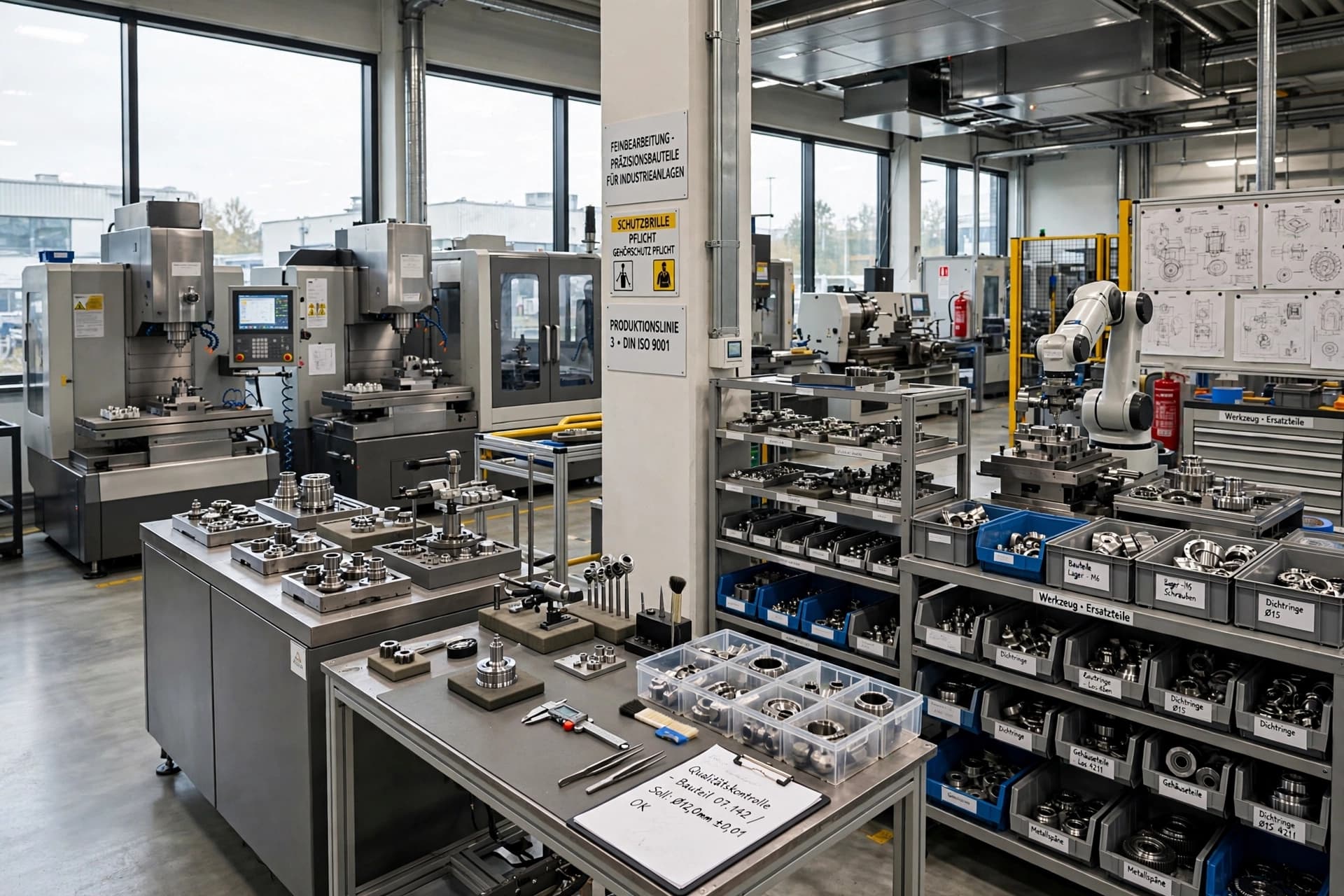
AI Image Disclaimer Visuals are generated with AI tools and serve solely as conceptual illustrations — not as actual photographs.
Sources The Information (via Reuters); Ars Technica; WindowsLatest; Microsoft AI security whitepaper; Academic research on multi-agent generative AI adoption.
Published by Banx Network. This article is part of the Banx decentralized media programme, powered by the BXE token on the XRP Ledger.