In the dense, vibrant forests of the Democratic Republic of the Congo, the fight against infectious disease is a constant and courageous endeavor. Ebola, a virus that has haunted the region for decades, continues to pose a threat to communities despite significant advances in medical science. Recently, a new chapter in this ongoing battle began as clinical trials for novel Ebola treatments commenced. This initiative represents not just a scientific milestone but a beacon of hope for those living in the shadow of outbreaks, promising more effective and accessible care in the face of a formidable adversary.
Body: The trials, supported by international health organizations and local medical teams, aim to evaluate the efficacy of new therapeutic agents. These treatments are designed to target the virus more precisely, reducing mortality rates and improving recovery times. Previous outbreaks have shown that early intervention is critical, and having a broader arsenal of effective drugs can make the difference between life and death for patients. The current trials build on the success of earlier vaccines and treatments, seeking to refine and expand the tools available to healthcare workers.
Participants in the trial are being carefully selected and monitored to ensure safety and data integrity. The process involves rigorous ethical oversight, ensuring that informed consent is obtained and that participants receive the highest standard of care regardless of their assignment in the study. Community engagement is also a key component, with local leaders and health educators working to build trust and understanding among the population. This collaborative approach is essential for the success of any medical intervention in the region.
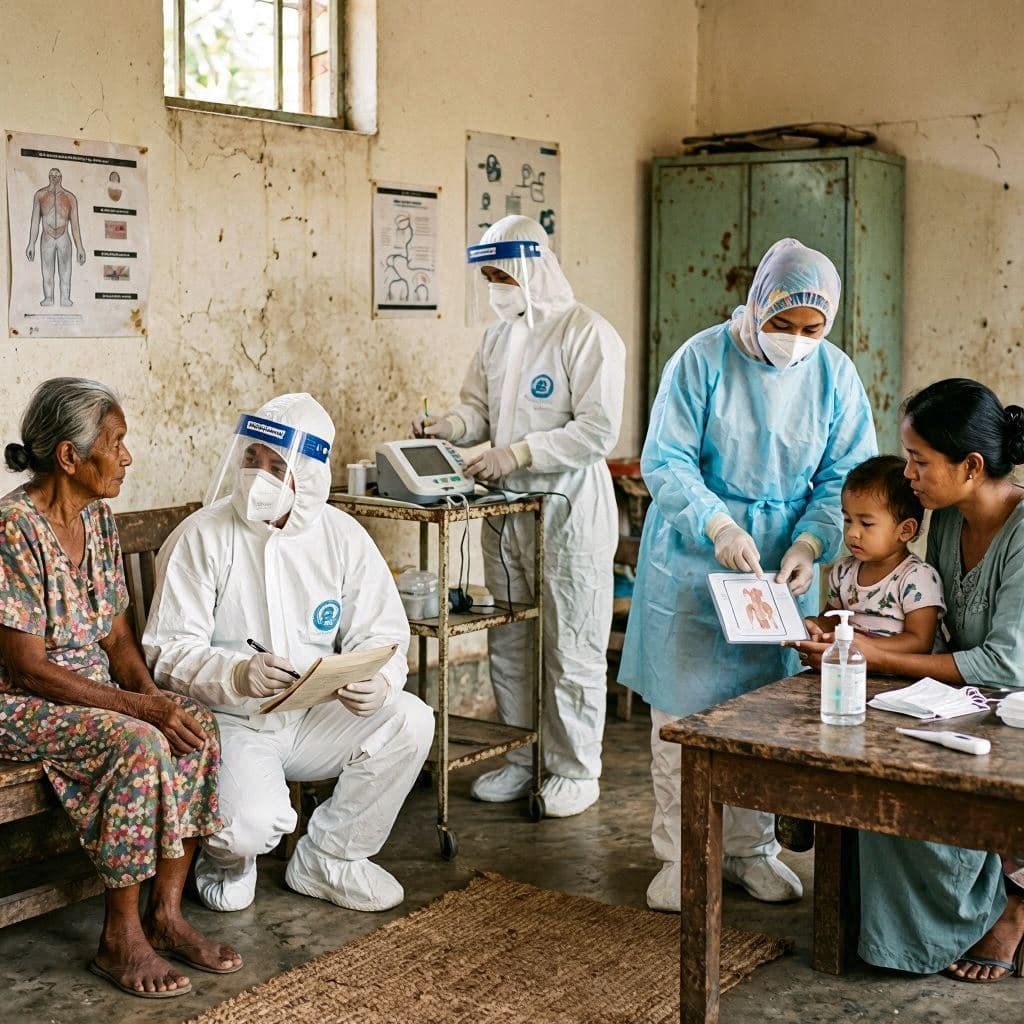
The Democratic Republic of the Congo has experienced multiple Ebola outbreaks over the years, each teaching valuable lessons about containment and care. The resilience of its healthcare workers, who often operate in challenging conditions, has been instrumental in controlling these crises. The new trials honor their dedication by providing them with potentially better resources. It is a partnership between global science and local expertise, aimed at strengthening the health system from within.
Beyond the immediate benefits for patients, the trials contribute to the global knowledge base on viral hemorrhagic fevers. Data collected will help researchers understand how the virus evolves and how different populations respond to treatment. This information is vital for preparing for future outbreaks, not just in Africa but worldwide. The lessons learned here can inform pandemic preparedness strategies everywhere, making the world safer for all.
Funding and logistical support for the trials come from a coalition of governments, non-profits, and pharmaceutical companies. This multi-sectoral collaboration highlights the shared responsibility of addressing global health threats. By pooling resources and expertise, the international community can accelerate the development of life-saving technologies. It is a model of cooperation that transcends borders and political differences.
Challenges remain, including infrastructure limitations and the need for continuous training of medical staff. However, the commitment to overcoming these obstacles is strong. Each step forward in the trial brings us closer to a future where Ebola is no longer a feared epidemic but a manageable health issue. The determination of the Congolese people and their partners is a powerful force for change.
As the trials progress, the eyes of the scientific world are on the DRC. The outcomes will be watched closely, with the hope that positive results will lead to wider approval and distribution of the new treatments. For now, the focus is on careful execution and compassionate care, ensuring that every participant is treated with dignity and respect.
Closing: The commencement of Ebola treatment trials in the Democratic Republic of the Congo marks a significant step forward in the fight against the virus. With international support and local dedication, these efforts promise to improve outcomes for patients and strengthen global health security. The journey is long, but the path is clear.
AI Image Disclaimer: The images associated with this article are AI-generated interpretations designed to visualize the context of medical research and community health.
Sources: World Health Organization Reuters The Lancet Doctors Without Borders
Published by Banx Network. This article is part of the Banx decentralized media programme, powered by the BXE token on the XRP Ledger.