
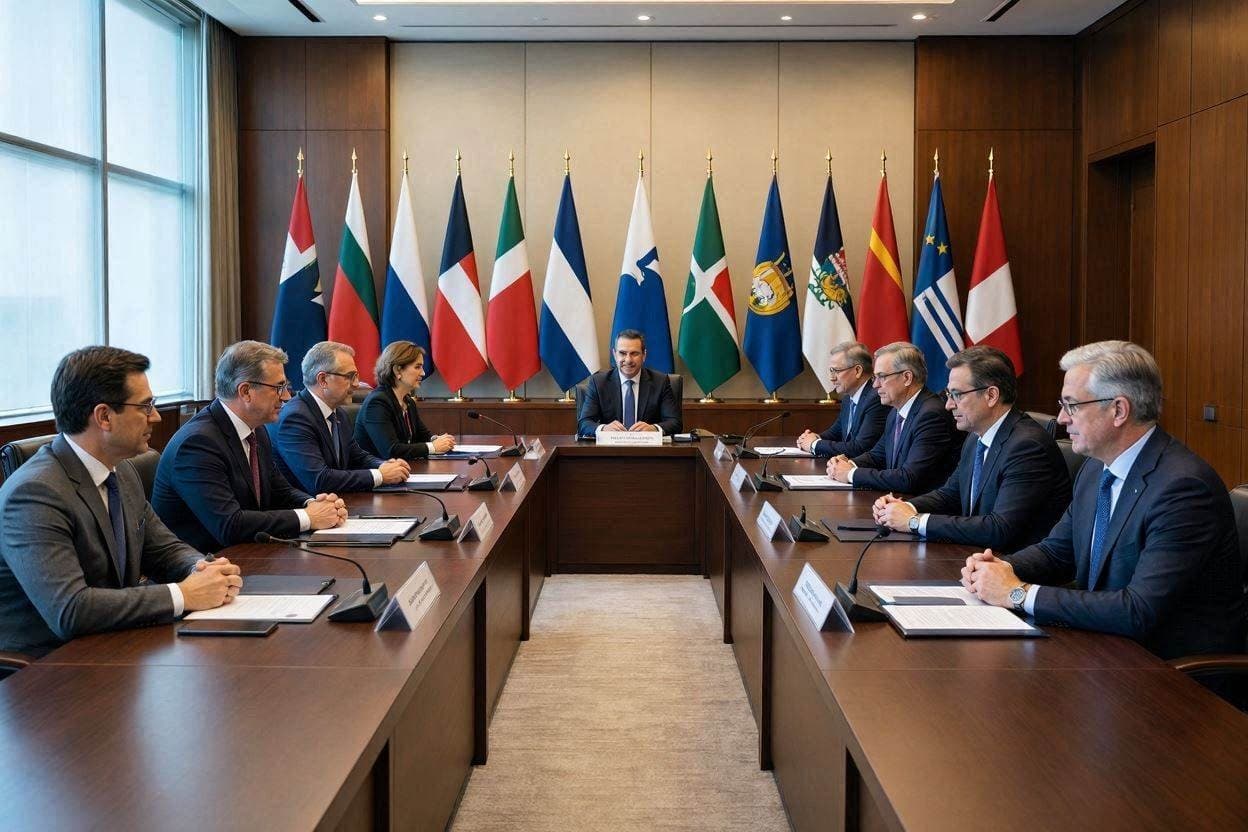
In the intricate dance of diplomacy, every step forward is often met with a cautious glance backward. Recently, a proposed agreement for the disarmament of Hamas has emerged, hailed by some as a breakthrough toward peace in Gaza. Yet, Israel has voiced serious concerns regarding the details of this deal, highlighting the deep-seated mistrust that characterizes the conflict. This hesitation is not merely bureaucratic; it reflects the profound security dilemmas faced by a nation that views disarmament not just as a political goal but as a matter of survival.
The deal, facilitated by international mediators, outlines a phased approach to handing over weapons and dismantling military infrastructure. For Hamas, acceptance of the plan signals a willingness to engage in a political process, potentially ending years of hostility. However, for Israel, the devil lies in the details. Questions remain about verification mechanisms, the timeline for withdrawal, and the future security arrangement in Gaza. Without ironclad guarantees, the risk of rearmament looms large.
Israeli officials have emphasized that any agreement must ensure the complete demilitarization of the strip. They argue that partial disarmament is insufficient and could leave room for militant groups to regroup. The memory of past conflicts, where ceasefires broke down and rockets resumed, fuels this skepticism. For many Israelis, trust is a commodity in short supply, earned only through tangible actions rather than promises on paper.
The international community, including the United States and European partners, has urged both sides to seize this opportunity. They view the deal as a critical step toward stabilizing the region and alleviating the humanitarian crisis in Gaza. Diplomatic pressure is being applied to bridge the gap between Israeli security needs and Palestinian political aspirations. The hope is that a negotiated settlement can replace the cycle of violence with a framework for coexistence.
However, domestic politics in Israel complicate the picture. Coalition partners and public opinion vary widely on the issue of negotiations with Hamas. Some factions advocate for a hardline stance, insisting on total victory, while others push for a pragmatic solution to end the war. Prime Minister Benjamin Netanyahu faces the challenge of balancing these competing pressures while maintaining national unity.
For the people of Gaza, the delay in finalizing the deal prolongs their suffering. Infrastructure remains destroyed, and access to basic services is limited. A successful disarmament agreement could pave the way for reconstruction and aid, offering a glimpse of normalcy. But until confidence is built, the status quo of uncertainty persists, affecting millions of lives.
Experts suggest that third-party monitoring could play a crucial role in addressing Israeli concerns. International forces or technological surveillance might provide the assurance needed to proceed. Yet, the logistics of such arrangements are complex, requiring cooperation from multiple stakeholders. The path to implementation is fraught with technical and political hurdles.
Israel’s concerns over the Hamas disarmament deal underscore the fragility of peace processes in the Middle East. While the offer of disarmament is significant, the journey from agreement to execution is long and uncertain. Trust, once broken, takes time to rebuild, and every clause in the deal will be scrutinized through the lens of security and history.
AI Image Disclaimer: Please note that the images in this piece are AI-generated illustrations created to depict the themes of diplomatic negotiation and regional security.
Sources: The Star, Axios, The Guardian, Atlantic Council
Published by Banx Network. This article is part of the Banx decentralized media programme, powered by the BXE token on the XRP Ledger.


.jpg&w=3840&q=75 "Sally Rooney’s Books to Be Withdrawn From UK Sale Over Palestine Action Support")