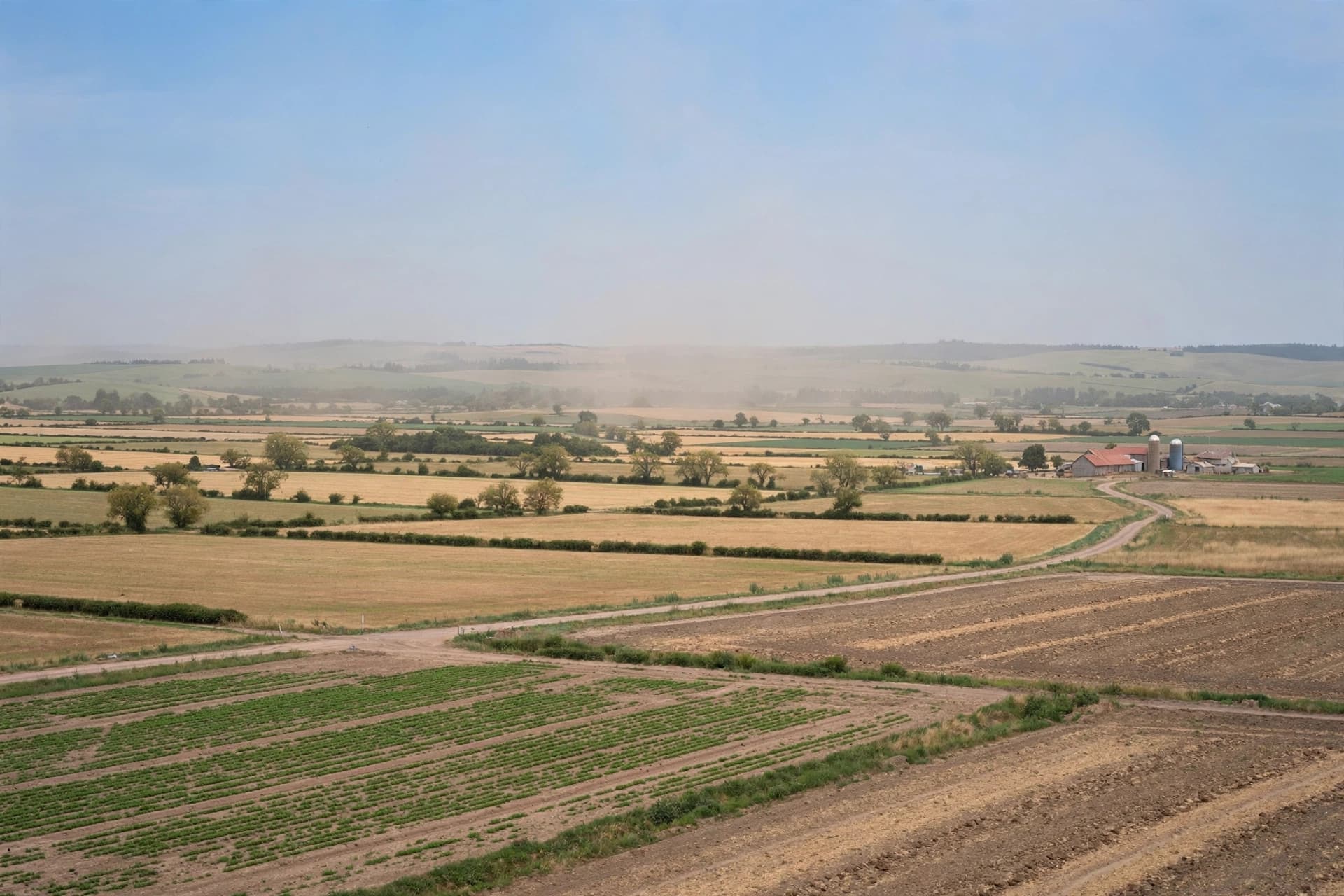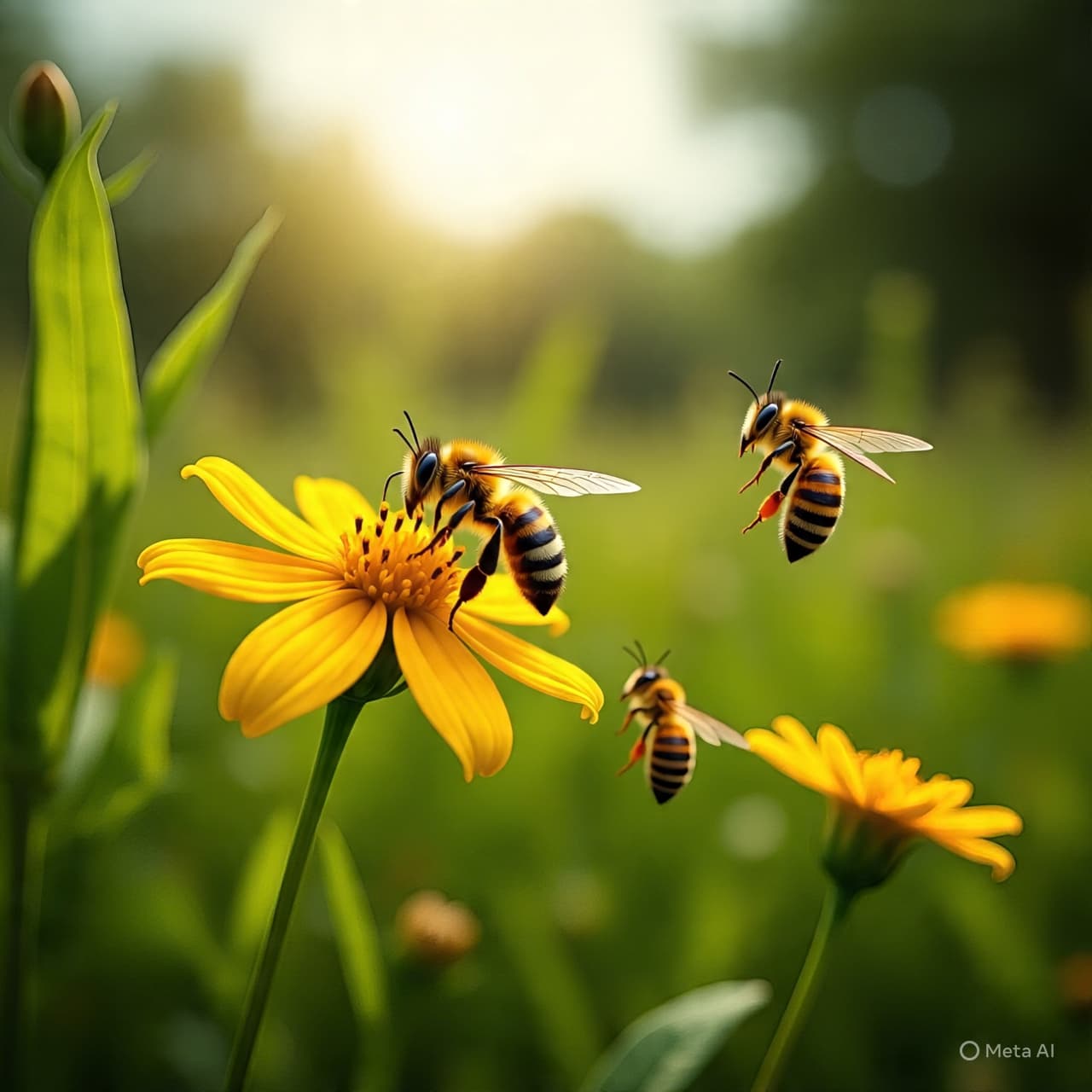
In a meadow warmed by morning light, flowers appear as quiet witnesses to harmony. Bees arrive, linger briefly, and move on, carrying pollen like small promises between blooms. For centuries, this exchange has been read as a symbol of balance in nature. Yet beneath this familiar rhythm, another story has begun to surface, softer in tone but heavier in implication.
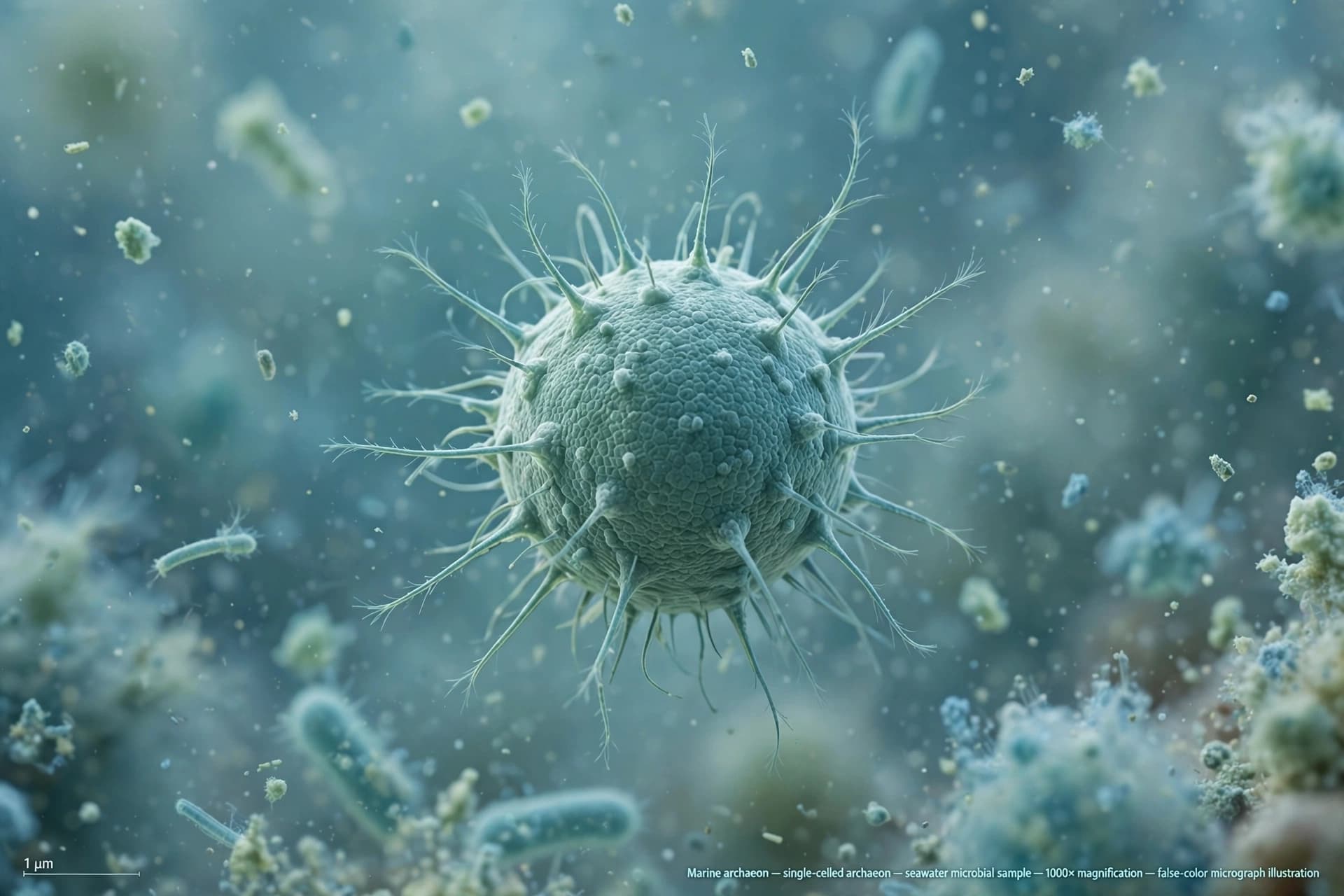
Scientists have found that flowers can act as meeting points not only for pollination, but also for the spread of viruses carried by bees. When infected bees visit flowers, traces of viruses can remain behind on petals and pollen. Wild bees, arriving later at the same blooms, may then encounter these pathogens, allowing infections to move beyond managed hives and into natural ecosystems.
This process does not require direct contact between bees. Flowers serve as silent intermediaries, briefly holding viral particles before passing them along. Research shows that some bee viruses can survive on floral surfaces long enough to infect subsequent visitors. The discovery reframes flowers not just as sources of nourishment, but as shared spaces where health and illness quietly intersect.
The concern is not limited to honeybees alone. Wild bee species, many already under pressure from habitat loss and climate change, may face additional risk from pathogens originating in commercial or managed colonies. Scientists note that the spread is unintentional, shaped by overlapping foraging paths rather than aggressive transmission.
Researchers are careful in their conclusions. Flowers are not villains in this story, nor are bees acting against their own interests. The findings instead highlight how interconnected pollinator communities have become, especially as human-managed hives increasingly overlap with wild habitats. In this shared landscape, even natural behaviors can carry unforeseen consequences.
The growing understanding of floral virus transmission may influence future approaches to beekeeping and conservation. Strategies such as managing hive placement, monitoring bee health, and preserving diverse habitats are being discussed as ways to reduce unintended spread. The aim is not to disrupt pollination, but to protect its fragile networks.
As studies continue, scientists emphasize that awareness is the first step. Flowers will remain central to ecosystems, and bees will continue their ancient work. The challenge now lies in ensuring that these interactions sustain life without quietly passing harm along the way.
AI Image Disclaimer Images in this article are AI-generated illustrations, meant for concept only.
Sources Nature Science Proceedings of the National Academy of Sciences The Guardian National Geographic
Published by Banx Network. This article is part of the Banx decentralized media programme, powered by the BXE token on the XRP Ledger.