Opening: In the high-stakes arena of international diplomacy, where words often carry the weight of weapons, President Donald Trump has issued a stark warning to Tehran. Speaking to Axios, he stated that if ongoing negotiations with Iran do not yield results, the United States will return to "very strong military action." This declaration underscores the fragile nature of the current ceasefire and the persistent tensions that define U.S.-Iran relations in 2026.
The statement comes amid a period of relative calm following months of conflict, but it serves as a reminder that the threat of escalation remains ever-present. For a region weary of war, the president’s words are a signal that patience has its limits and that military options are still very much on the table.
Body: President Trump emphasized that diplomacy remains the preferred path, describing the current talks as "very deep." However, he made it clear that the alternative to a successful agreement is a resumption of intense military pressure. This dual approach of engagement and threat reflects a strategy aimed at maximizing leverage while keeping the door open for peaceful resolution.
Iran, for its part, has maintained that there are no direct talks with the U.S. to end the conflict, relying instead on intermediaries such as Qatar and Oman. This indirect dialogue has allowed both sides to communicate without the political cost of formal negotiations, but it also introduces complexities and potential for misinterpretation.
The context of this warning is the recent closure of the Strait of Hormuz by Iran, a move that has disrupted global oil supplies and heightened economic anxieties. The U.S. has responded with naval deployments and sanctions, creating a tense standoff that could easily spiral into broader conflict if not managed carefully.
Domestically, the president’s stance has drawn mixed reactions. Supporters argue that a firm posture is necessary to deter Iranian aggression and protect American interests, while critics worry that such rhetoric could provoke further hostility and undermine diplomatic efforts. The debate highlights the divisive nature of foreign policy in an election year.
Internationally, allies in the Middle East and Europe are watching closely. They seek stability and continuity in U.S. policy, fearing that sudden shifts could destabilize the region further. Coordination with partners is essential to ensure that any military action, if it occurs, is justified and supported by a broad coalition.
The humanitarian impact of continued tension is also a concern. Sanctions and conflict exacerbate suffering for ordinary Iranians, who face economic hardship and limited access to essential goods. Diplomatic solutions are seen by many as the only way to alleviate this distress while addressing security concerns.
As the deadline for diplomatic progress approaches, the world holds its breath. The outcome of these talks will not only shape the future of U.S.-Iran relations but also influence the broader geopolitical landscape of the Middle East.
Closing: President Trump’s warning to Iran highlights the delicate balance between diplomacy and force. It serves as a reminder that peace requires commitment from all parties and that the cost of failure can be measured in both lives and stability.
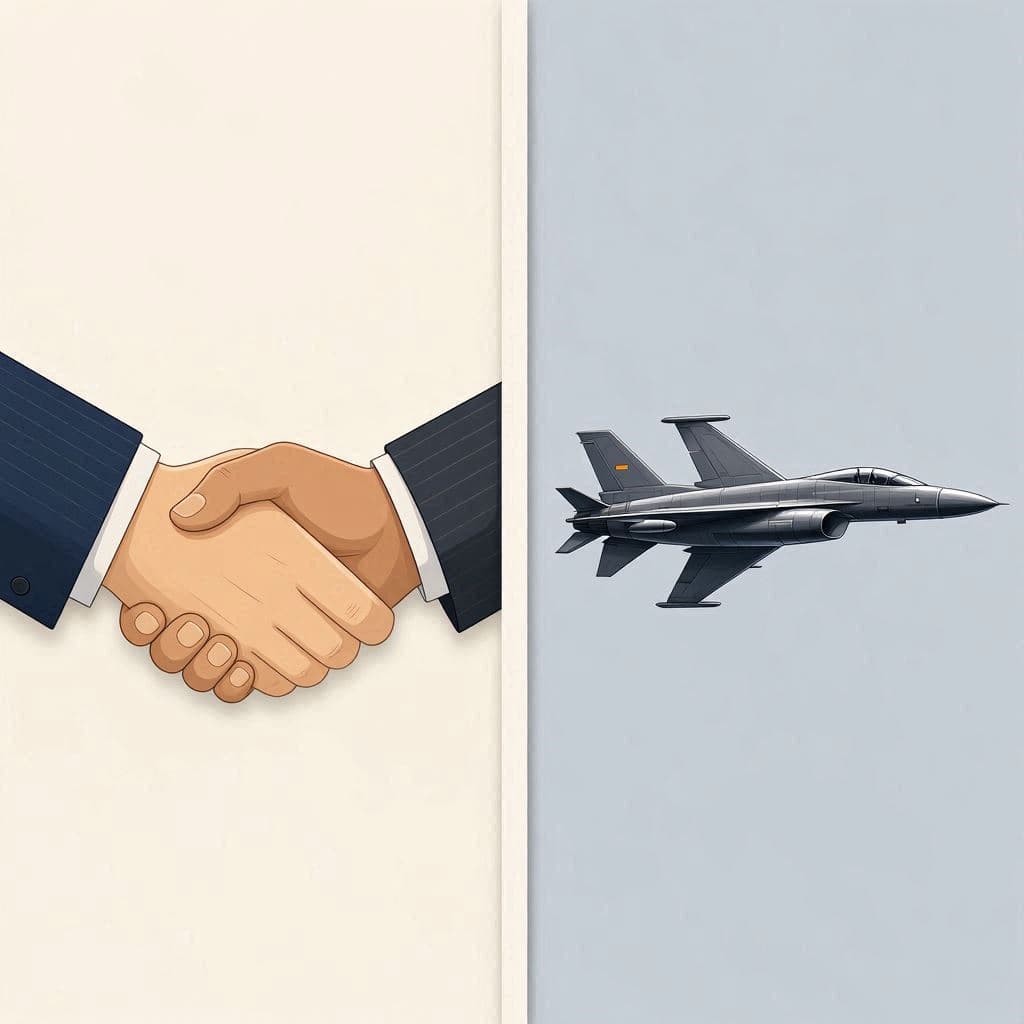
AI Image Disclaimer: Images used in this report are AI-generated depictions intended to illustrate the themes of diplomatic tension and military readiness.
Sources: The Guardian Axios Irish Times Yahoo News
Published by Banx Network. This article is part of the Banx decentralized media programme, powered by the BXE token on the XRP Ledger.