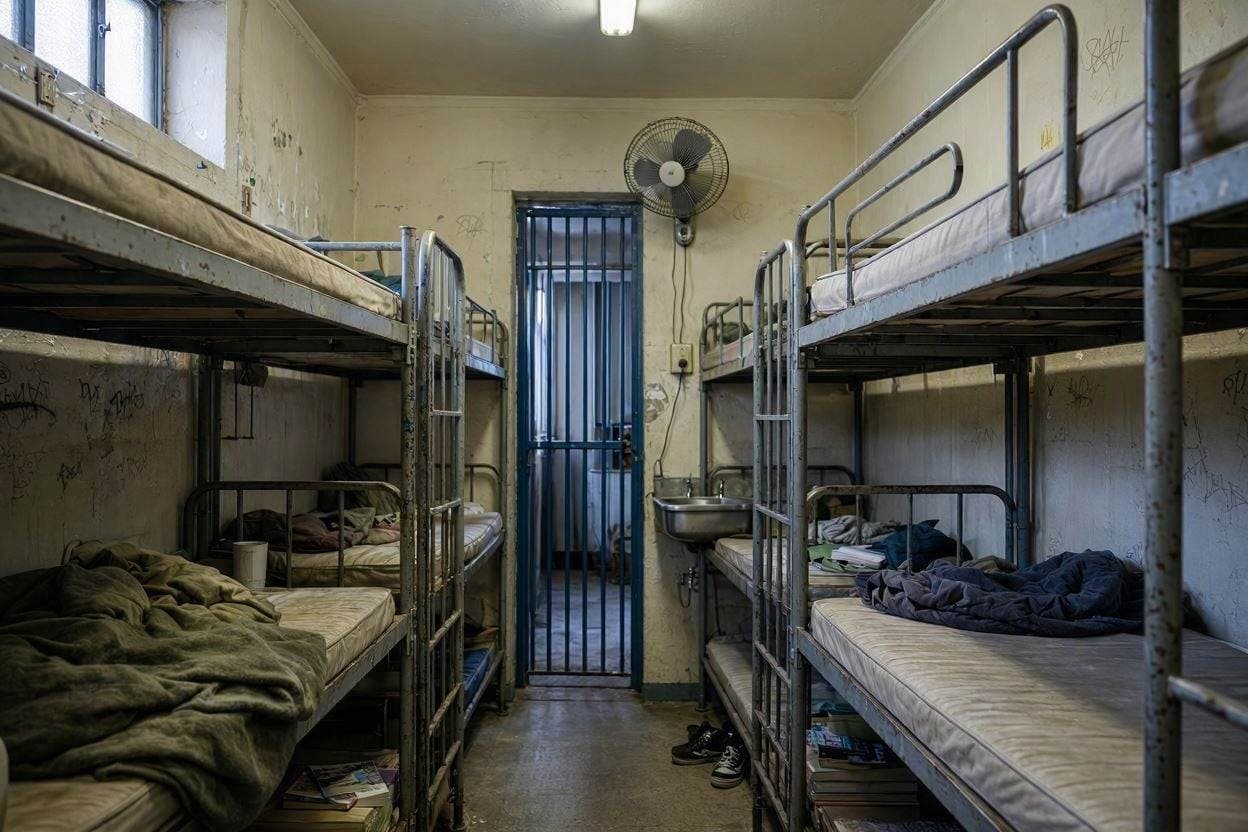
As summer temperatures soar across Europe, the discomfort is felt by all, but nowhere is it more acute than within the walls of the continent’s aging prisons. In countries like France, Italy, and Belgium, heatwaves have exposed a deepening crisis of overcrowding and inadequate infrastructure. Cells designed for one often hold two or more, with little ventilation and no air conditioning. For inmates, the rising mercury is not just an inconvenience but a health hazard, turning confinement into a sweltering ordeal that tests human endurance and highlights systemic neglect.
The situation is particularly dire in France, where prison occupancy rates have reached record levels. At Fleury-Mérogis, Europe’s largest prison, inmates describe conditions akin to living in a kettle. Temperatures inside cells can exceed 40 degrees Celsius, causing sleeplessness, dehydration, and heightened tension. Violence and confrontations between prisoners and staff have increased, fueled by the oppressive heat and lack of relief. The humanitarian concern is palpable, raising questions about the dignity of incarceration.
Italy and Belgium face similar challenges. Older facilities, built decades ago without climate control in mind, struggle to cope with extreme weather. Efforts to distribute water and fans are often insufficient to mitigate the suffering. Prisoners with pre-existing health conditions are especially vulnerable, facing greater risks of heatstroke and respiratory issues. Medical staff work tirelessly to manage emergencies, but resources are stretched thin.
Human rights organizations have called for urgent action, urging governments to reduce overcrowding and improve living conditions. They argue that excessive heat constitutes cruel and inhuman treatment, violating international standards. Legal challenges are mounting, with lawyers filing complaints on behalf of inmates. The pressure is on policymakers to address not just the immediate crisis but the structural flaws that enable it.
Governments have announced short-term measures, such as transferring prisoners to less crowded facilities and installing temporary cooling units. However, these are stopgap solutions. Long-term investment in modernizing prison infrastructure is needed, along with reforms to sentencing and parole systems to reduce population density. The political will to enact such changes is often lacking, hindered by budget constraints and public opinion.
The crisis also reflects broader societal issues, including rising crime rates and stricter judicial policies. As prisons fill up, the capacity to provide humane care diminishes. The heatwave serves as a catalyst, bringing hidden problems to light. It forces a confrontation with the reality of a penal system that is struggling to function.
The heatwave in Europe’s prisons is a stark reminder of the human cost of overcrowding and aging infrastructure. As temperatures remain high, the need for comprehensive reform becomes ever more urgent. Ensuring dignity and safety for all individuals, including those behind bars, is a fundamental obligation of a just society.
AI Image Disclaimer: Visuals associated with this article are AI-generated to illustrate the themes of institutional hardship and environmental stress.
Sources: Reuters France 24 Euronews
Published by Banx Network. This article is part of the Banx decentralized media programme, powered by the BXE token on the XRP Ledger.