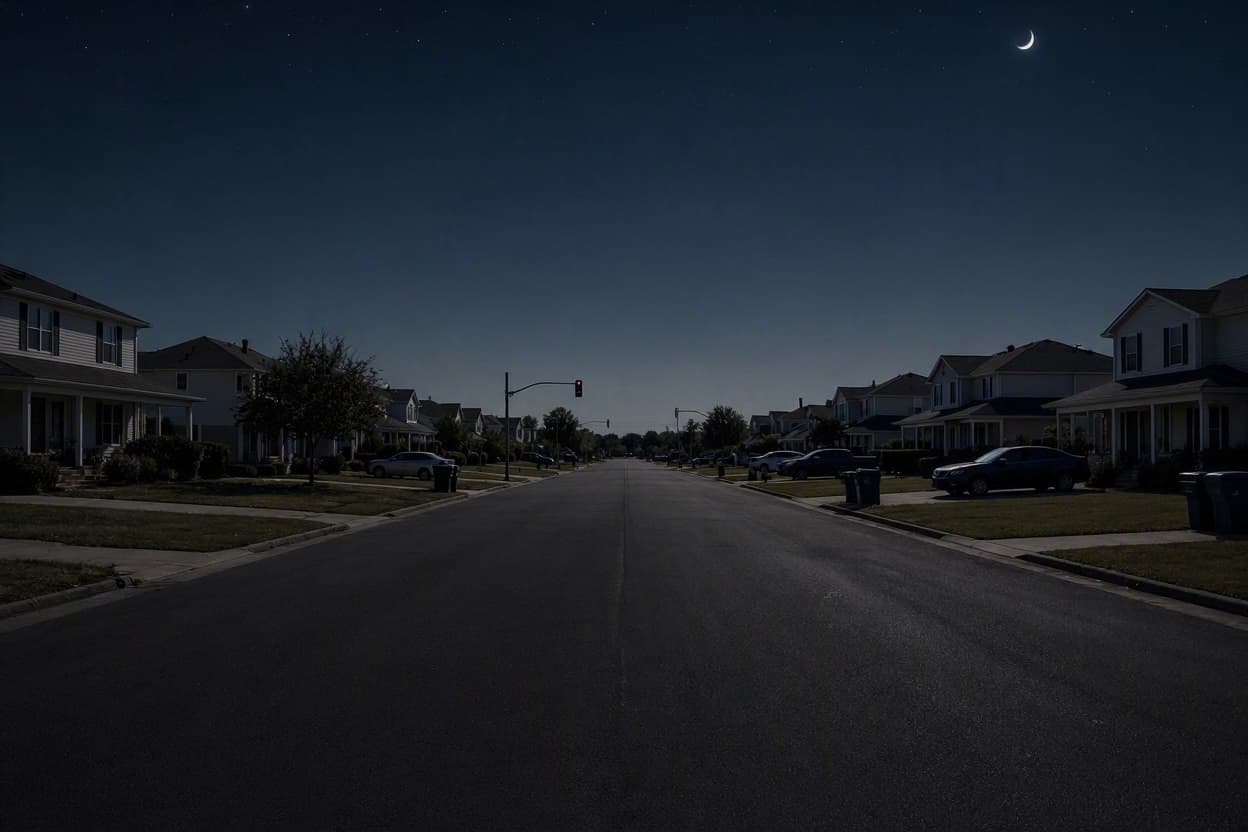
In the sweltering heat of late summer, where the air hangs heavy and still, a different kind of storm has settled over northwestern Indiana. For more than ten days, tens of thousands of residents have lived in the dark, their homes silent without the hum of refrigerators or the cool breath of air conditioning. What began as a severe weather event has evolved into a prolonged crisis of endurance, testing the resilience of communities accustomed to the reliable rhythm of modern infrastructure.
The outage, triggered by a powerful line of storms that swept through the region, downed trees, snapped power poles, and severed electrical lines across multiple counties. Utility companies, including NIPSCO, have worked around the clock to restore service, but the sheer scale of the damage has slowed progress. For many, the wait has stretched from inconvenience to hardship, as food spoils, medical devices lose power, and the discomfort of the heat becomes unbearable.
For the elderly and those with health conditions, the lack of electricity is not just uncomfortable but dangerous. Community centers and libraries have opened their doors as cooling stations, offering respite from the heat and a place to charge phones. These hubs of activity have become lifelines, where neighbors share information, resources, and support. The crisis has revealed both the fragility of the grid and the strength of human connection in times of need.
Frustration is mounting among residents who feel left in the dark, both literally and figuratively. Social media has become a platform for expressing anger and seeking updates, with many questioning the adequacy of the utility’s response. While crews work tirelessly to repair the damage, communication gaps have left some feeling uninformed and anxious. The delay highlights the challenges of maintaining infrastructure in the face of increasingly extreme weather patterns.
Local governments have declared states of emergency, mobilizing resources to assist affected households. National Guard units have been deployed to help with distribution of water and ice, while volunteer organizations provide meals and shelter. The collective effort underscores the importance of community solidarity when systems fail. It is a moment where civic duty transcends politics, focusing instead on the immediate needs of neighbors.
The economic impact is also significant, with businesses forced to close and workers unable to operate remotely. Small shops, restaurants, and service providers face lost revenue and potential spoilage of inventory. For many, the financial strain adds another layer of stress to an already difficult situation. The recovery will require not just restored power but also economic support to help these enterprises survive the interruption.
As the days turn into a second week, hope remains that full restoration is near. Utility officials report progress in the most heavily damaged areas, promising that light will return soon. For those still waiting, each hour feels like an eternity, but the sight of repair trucks on every corner offers a glimmer of reassurance. The end of the blackout is in sight, though the memory of the darkness will linger.
In the end, the outage in Indiana is a stark reminder of our dependence on energy and the vulnerability of our systems. It calls for investment in resilient infrastructure and better emergency preparedness. For the residents, it is a test of patience and perseverance. The hope is that when the lights finally come back on, they bring with them a renewed commitment to building a more robust and reliable future.
AI Image Disclaimer: The visual elements in this article are AI-generated illustrations depicting suburban neighborhoods in darkness and abstract representations of power grids, designed to reflect the themes of outage and resilience without showing real proprietary utility maps or specific individuals in distress.
Sources: PBS NewsHour, Chicago Tribune, CNN, AccuWeather
Published by Banx Network. This article is part of the Banx decentralized media programme, powered by the BXE token on the XRP Ledger.