In the quiet desert, a new kind of oasis may be rising—an oasis not of water, but of computation. Elon Musk’s xAI and Nvidia are poised to harness Saudi Arabia’s vast energy resources to build a massive AI data center. This collaboration reflects more than just business: it's a metaphorical planting of seeds in a landscape where compute power might shape the kingdom’s future.
xAI, Musk’s AI startup, is reportedly in talks with Humain, a Saudi Arabia–backed AI company under the Public Investment Fund, to develop data center capacity. According to these reports, the planned facility would be on a very large scale—reportedly up to 500 megawatts—and powered by Nvidia chips. For context, 500 MW is a huge electricity draw—more than many conventional data centers, underscoring how ambitious the project is.
Nvidia’s role is central. The company has committed to supplying its advanced Blackwell GB300 GPUs for this project. These chips will form the computational backbone, enabling high-performance AI training and inference workloads. The broader Saudi–Nvidia partnership also includes “AI factories” and sovereign infrastructure. At the same time, Humain is positioning itself as a national AI powerhouse: its stated goal is to develop gigawatts of data center capacity.
But this is not just about raw compute. xAI and Humain also plan to deploy xAI’s Grok models throughout Saudi Arabia, signaling that this is a strategic AI deployment, not merely a back-end infrastructure play. By embedding AI models locally, they may tap into regional markets and leverage localized data, while also benefiting from the favorable regulatory and energy landscape.
From Saudi Arabia’s perspective, the deal aligns with its broader ambition to become a global AI hub. Using its abundant energy resources, the Kingdom can offer very competitive electricity costs for energy-intensive AI data centers. Meanwhile, the Public Investment Fund’s backing of Humain shows how central AI is becoming to Saudi’s economic strategy.
On the U.S. side, export controls on advanced chips have long been a barrier. But there are signs of progress. The U.S. Commerce Department recently authorized the export of advanced Nvidia chips to Saudi firms. This regulatory shift could unlock further growth in AI infrastructure in the region, and make large-scale deployment feasible.
Still, there are risks. While 500 MW is the headline number, reports caution that the deal is “early stage,” and not all details—such as financing timing, construction schedule, or full capacity—are yet settled. The success of such a project will depend on many variables: regulatory approval, chip supply, and the ability to scale efficiently.
In sum, the xAI–Nvidia–Humain project is more than just a data center: it could be a cornerstone of Saudi Arabia’s AI future, and a sign of how compute and capital are now intertwined with national strategy. The desert may soon hum with supercomputing power, as data centers become the new strategic resource for the 21st century.
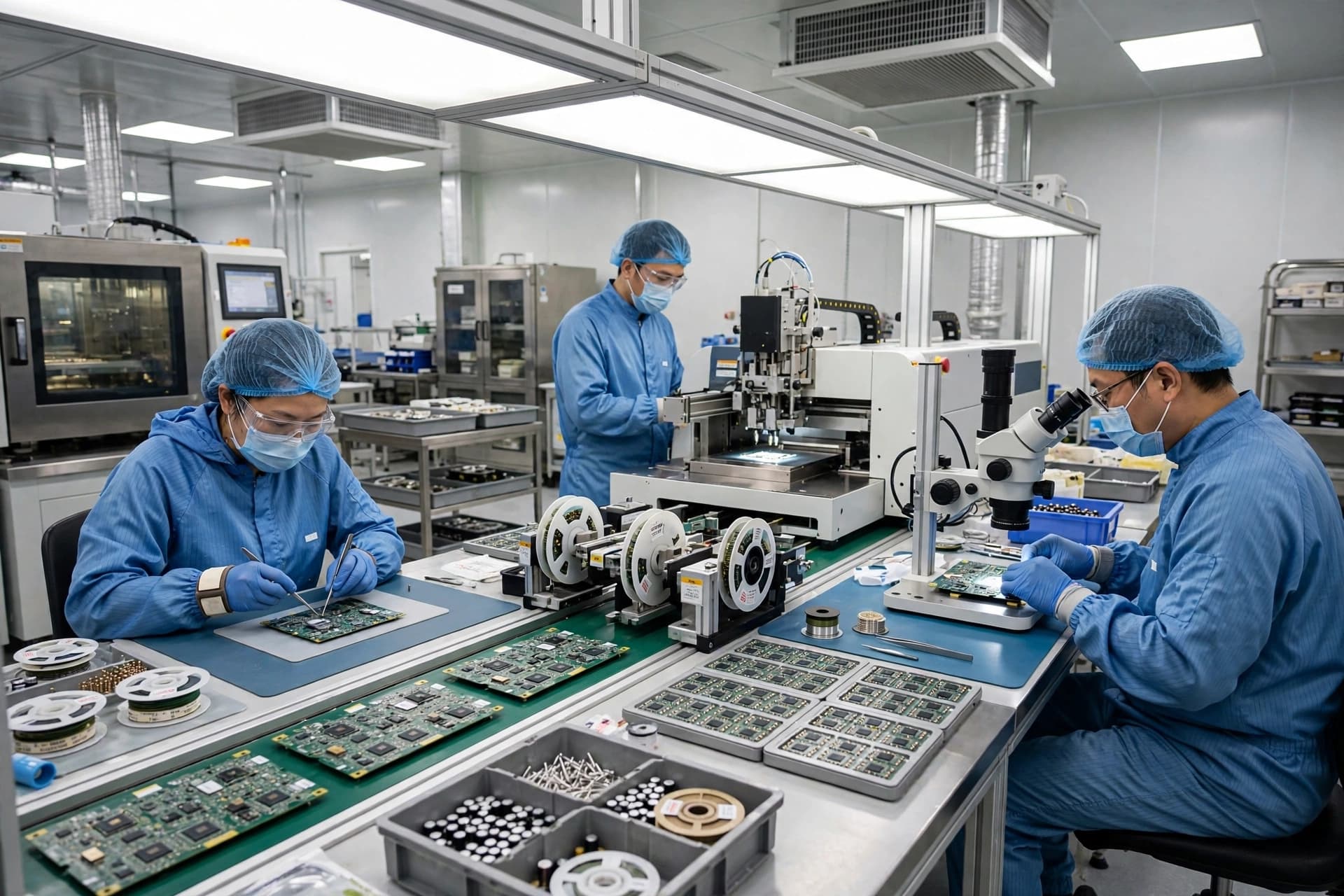
AI Image Disclaimer “Visuals are created with AI tools and are not real photographs.”
Sources Bloomberg Nvidia Newsroom Livemint The Information Daleel News
Published by Banx Network. This article is part of the Banx decentralized media programme, powered by the BXE token on the XRP Ledger.