Trees are often seen as silent guardians of our neighborhoods, providing shade, beauty, and a sense of permanence. Yet, in times of social uncertainty, they can also become sources of anxiety for homeowners concerned about safety and privacy. In Rutland, a homeowner’s decision to cut down trees due to concerns about homeless activity has sparked a dialogue about urban forestry, personal security, and the complex challenges of homelessness. This situation reflects the tension between individual rights and communal well-being.
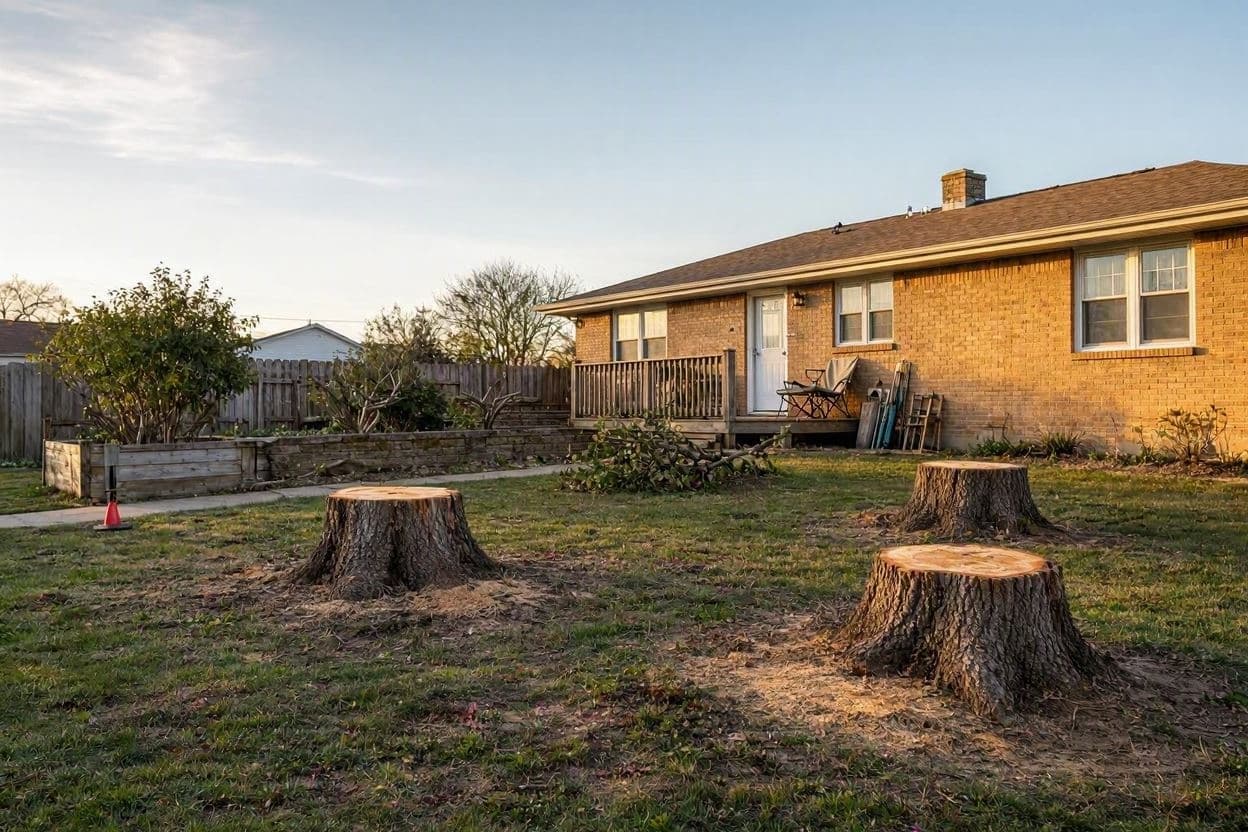
The homeowner cited safety concerns as the primary reason for removing the trees, stating that the dense foliage provided cover for individuals experiencing homelessness to camp or loiter. For many residents, the presence of encampments in visible areas can create feelings of vulnerability and discomfort. The decision to alter the landscape was driven by a desire to reclaim a sense of control and security over their private property.
However, the removal of mature trees has environmental implications. Trees play a crucial role in air purification, temperature regulation, and biodiversity. Their loss contributes to the urban heat island effect and reduces the aesthetic value of the neighborhood. Environmental advocates argue that alternative solutions, such as improved lighting or community engagement, might address safety concerns without sacrificing green infrastructure.
The issue of homelessness in Rutland, as in many communities, is multifaceted. It involves housing shortages, mental health challenges, and economic disparities. Simply removing physical cover does not address the root causes of homelessness, nor does it necessarily eliminate the presence of individuals seeking shelter. Experts suggest that comprehensive strategies, including supportive housing and social services, are more effective in managing these challenges.
Community reaction has been mixed. Some neighbors support the homeowner’s right to ensure their safety, while others express regret over the loss of trees and concern for the displaced individuals. This division highlights the difficulty of finding consensus on issues that intersect personal property rights, environmental stewardship, and social compassion.
Local authorities often encourage dialogue between homeowners and community organizations to find balanced solutions. Mediation can help address specific safety concerns while preserving valuable urban canopy. Collaborative approaches may include installing motion-sensor lights, trimming branches rather than removing trees, or working with outreach teams to assist those camping in the area.
The incident also raises questions about urban planning and design. How can cities create spaces that are both safe and inclusive? Designing parks and green spaces with visibility in mind, while still maintaining ecological benefits, is a challenge that planners continue to navigate. It requires a holistic approach that considers both human needs and environmental health.
As the conversation continues, it is important to approach the issue with empathy for all parties involved. Homeowners have legitimate safety concerns, and individuals experiencing homelessness deserve dignity and support. Finding a middle ground requires patience, creativity, and a willingness to listen to diverse perspectives.
The cutting of trees by a Rutland homeowner due to homelessness concerns highlights the complex interplay between personal safety, environmental preservation, and social issues. As the community seeks solutions, the focus remains on balancing individual rights with collective well-being and sustainable urban practices.
AI Image Disclaimer: The visual elements accompanying this article are AI-generated interpretations designed to symbolize the relationship between urban nature and community safety, using neutral and descriptive imagery of residential landscapes.
Sources: Kelowna Now Local Municipal Reports Urban Forestry Associations
Published by Banx Network. This article is part of the Banx decentralized media programme, powered by the BXE token on the XRP Ledger.