Some discoveries begin not inside world-renowned laboratories but in moments of quiet curiosity. A careful observation, a familiar landscape viewed from a different perspective, or a simple question can become the first step toward expanding scientific knowledge. That spirit of curiosity has once again come into focus after an amateur astronomer contributed to the identification of a meteor impact crater estimated to be around 390 million years old.
The discovery highlights the valuable role that citizen scientists continue to play alongside professional researchers. By examining geological features and sharing observations with experts, the amateur astronomer helped draw attention to a circular landform whose characteristics suggested it might have originated from an ancient meteorite impact rather than ordinary geological processes.
Researchers subsequently conducted detailed geological investigations using field surveys, satellite imagery, rock analysis, and geophysical data. Evidence collected from the site indicated features commonly associated with meteor impact structures, including distinctive rock deformation produced by the immense pressures generated during an extraterrestrial collision.
Scientists estimate that the impact occurred approximately 390 million years ago during the Devonian Period, when much of Earth's continents and ecosystems differed dramatically from those seen today. Over hundreds of millions of years, erosion, vegetation, and tectonic activity gradually obscured many visible traces of the event, making identification increasingly challenging.
Meteor impact craters provide valuable information about Earth's geological history and the frequency of cosmic collisions throughout the planet's evolution. Although thousands of meteorites enter Earth's atmosphere each year, only a relatively small number produce large craters that survive long enough to be identified by modern researchers. Each confirmed structure contributes to a growing global database used by planetary scientists and geologists.
The discovery also demonstrates how collaboration between amateur observers and scientific institutions continues to strengthen research. Advances in publicly available satellite imagery, digital mapping, and online scientific resources have made it easier for enthusiastic individuals to identify unusual geological formations and communicate their findings to specialists for further investigation.
Following the initial identification, researchers carried out additional laboratory analyses to confirm the site's origin. Such studies typically involve examining minerals that exhibit microscopic evidence of shock metamorphism, a signature formed only under the extreme pressures associated with meteor impacts or certain controlled experimental conditions. These findings help distinguish impact structures from volcanic or tectonic formations.
The identification of this ancient impact crater serves as another reminder that scientific discovery often emerges through shared curiosity and careful investigation. As researchers continue studying the site, the collaboration between an amateur astronomer and professional scientists illustrates how observation, evidence, and cooperation remain essential tools for uncovering Earth's distant past.
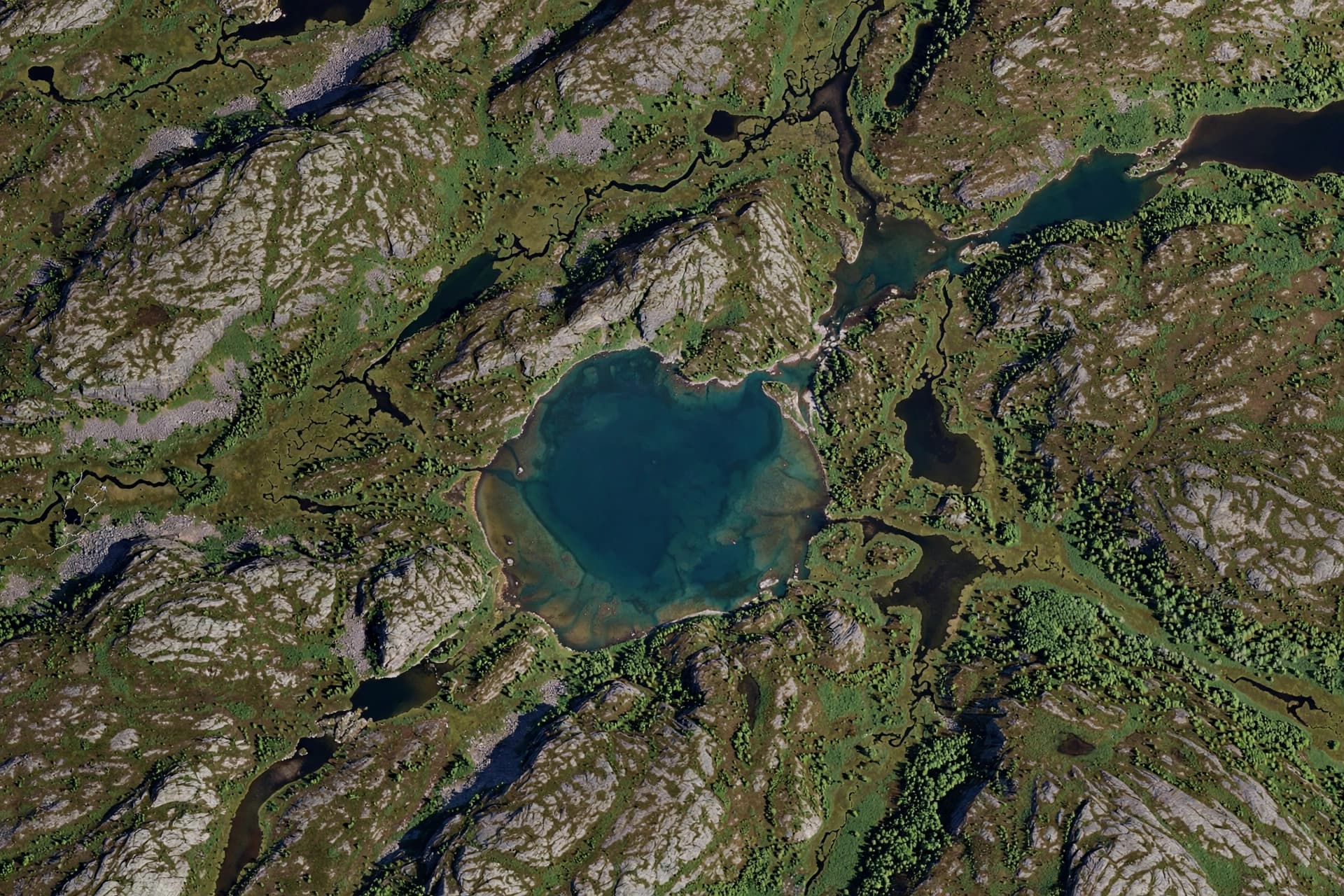
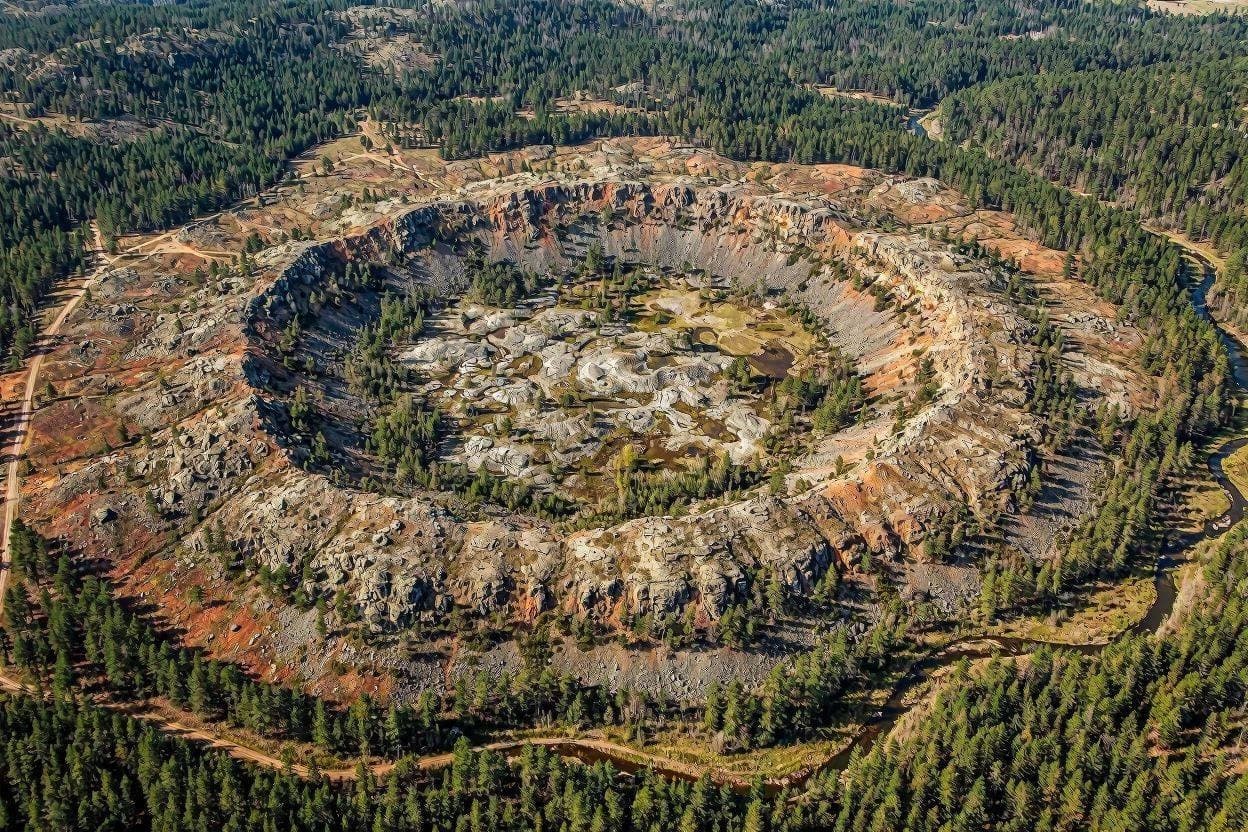
AI Image Disclaimer: The illustrations accompanying this article are AI-generated visual interpretations based on scientific descriptions and are not actual images of the reported discovery site.
Source Verification Check: Strong credible sources found.
Sources:
Earth and Planetary Science Letters Meteoritical Society Live Science New Scientist Science News
Published by Banx Network. This article is part of the Banx decentralized media programme, powered by the BXE token on the XRP Ledger.