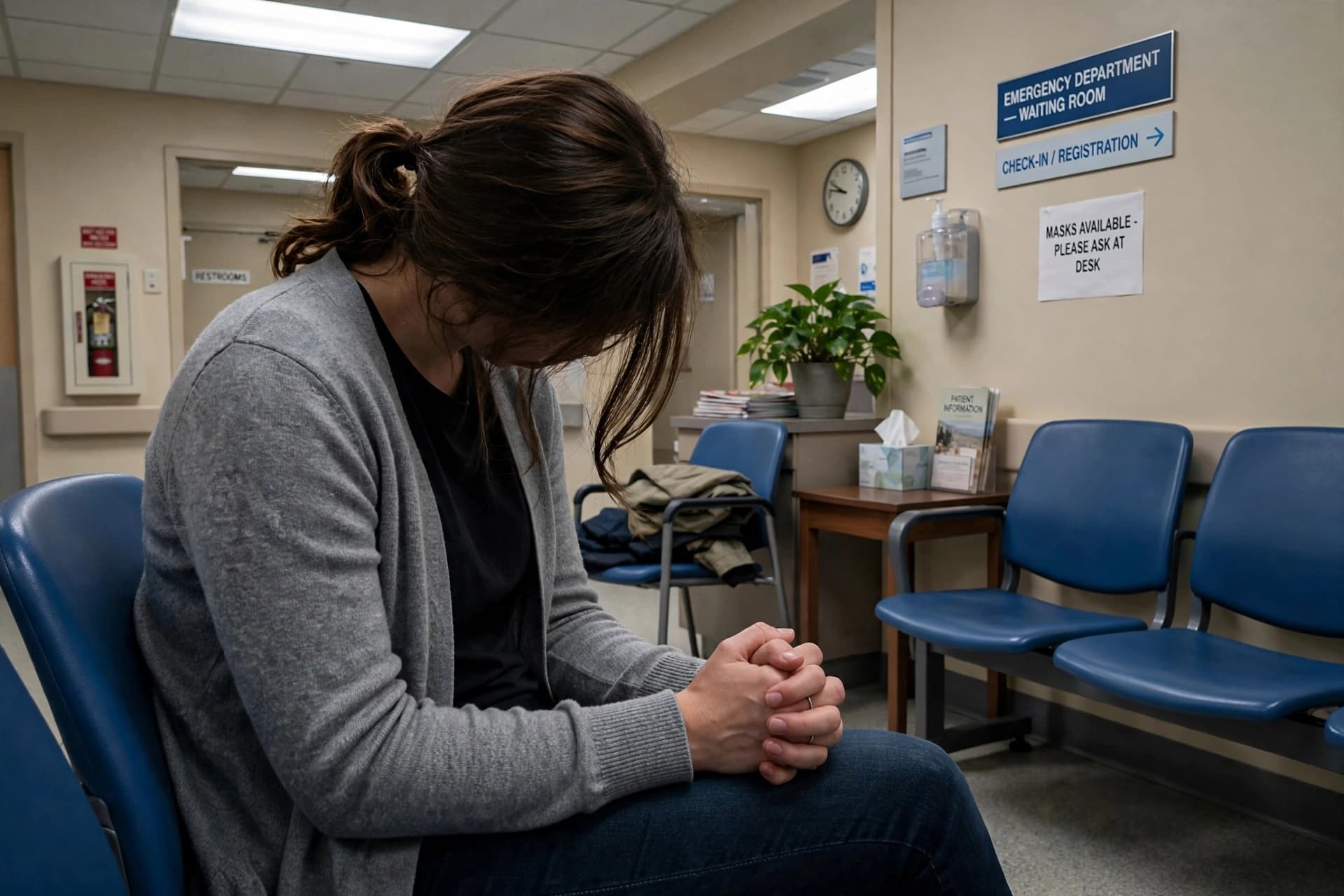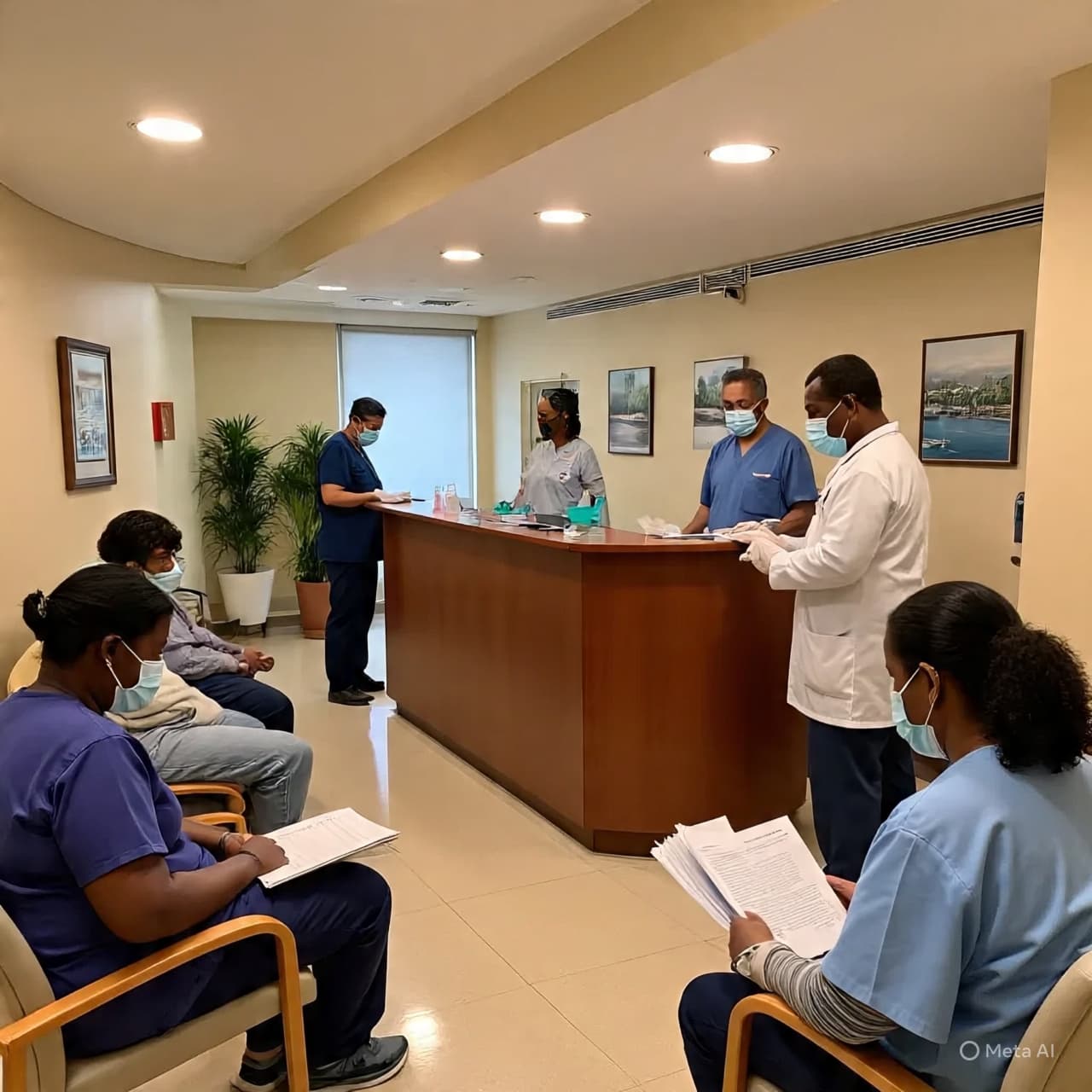
In the quiet streets of Newport, Washington, mornings arrive softly, mist rolling over the river as local life begins its rhythm. Yet inside the town’s hospital, the gentle pulse of daily care now hums a little faster, a little more frantically. Patients from across the state line in Idaho are seeking help under Washington’s progressive charity care policy, bringing both hope and strain to a small rural institution.
The hospital, historically accustomed to serving its local community, finds itself a waypoint in a larger journey for healthcare access. Families, many facing financial hardship, travel to cross borders in search of coverage they cannot find at home. For these patients, the policy offers a lifeline; for the hospital, it presents a delicate balancing act, as resources meant for residents are stretched to accommodate unexpected demand.
Charity care in Washington is guided by income rather than geography. It is a vision of equitable access, a reflection of the belief that healthcare should respond to need, not location. Yet in a rural hospital, margins are thin, staff are few, and every additional patient can ripple across departments, from emergency care to behavioral health, orthopedic services to gynecology. Administrators face the quiet weight of numbers: nearly half of last year’s charity care funds served non‑Washington residents, highlighting the tension between generosity and sustainability.
Legislators have taken note. Previous proposals sought to limit non‑emergency charity care to state residents, but the conversation continues rather than concluding. The policy’s intent — to provide relief to those in need — remains unaltered, yet its local consequences invite reflection about how best to honor that goal without overburdening providers.
Through it all, the hospital continues its mission, treating each patient with professionalism and compassion. It is a microcosm of the broader debate in American healthcare: how to ensure access while preserving the capacity of small institutions that are lifelines in their communities.
In this delicate interplay of policy, geography, and human need, the story of Newport’s hospital is neither extraordinary nor unique — it is emblematic of the challenges facing rural healthcare across state lines, quietly unfolding in corridors where the real work of care continues.
AI Image Disclaimer (Rotated Wording) Images in this article are AI-generated illustrations, meant for concept only and not real-life depictions.
Sources (Based on Source Role)
• Spokesman-Review
• NPR
• Washington State Health Department releases
• KREM News
• The Seattle Times
Published by Banx Network. This article is part of the Banx decentralized media programme, powered by the BXE token on the XRP Ledger.