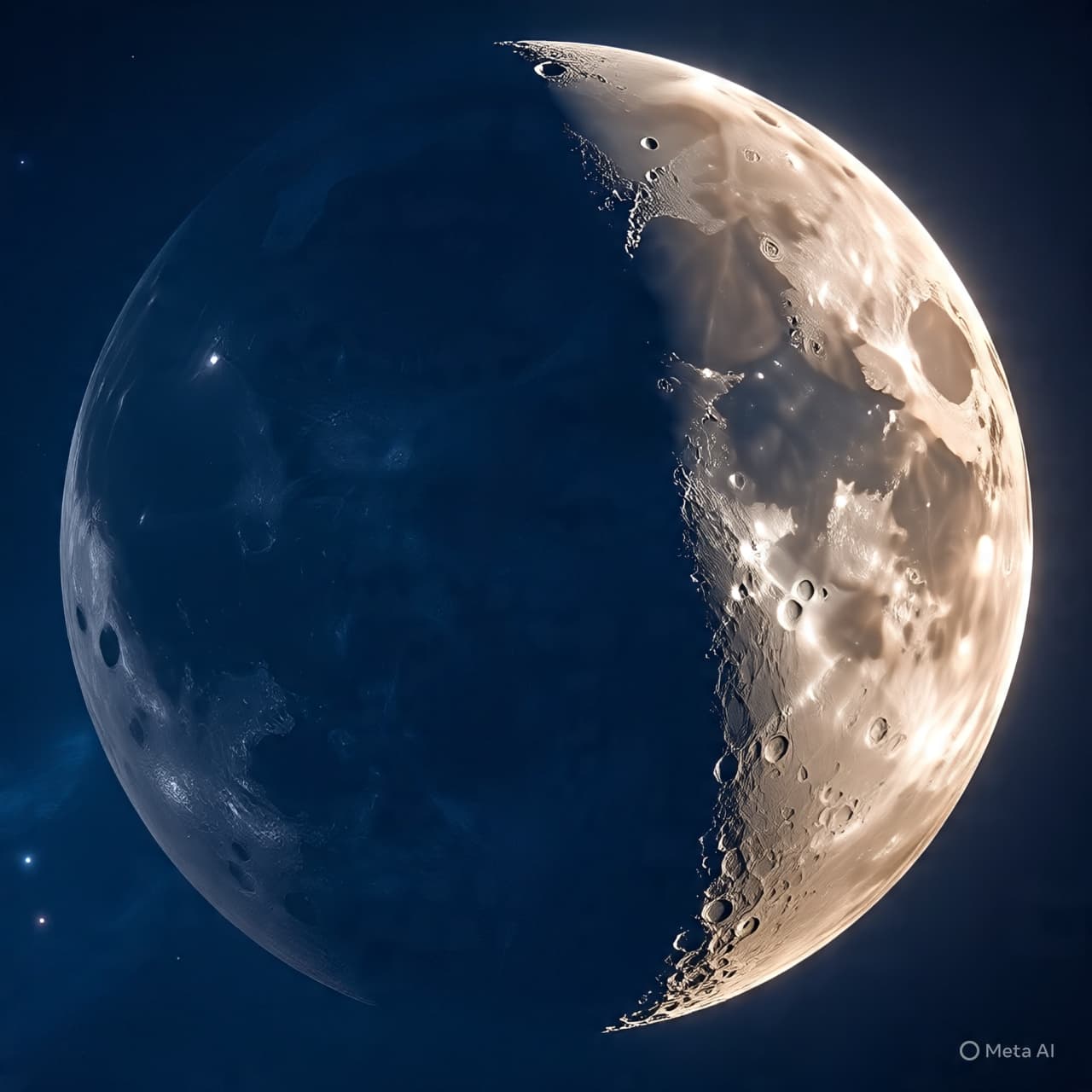
High above the Earth, the Moon hangs as a silent companion, its familiar face a constant in the night sky. Yet close observation reveals an enduring mystery: the Moon is lopsided, with one hemisphere markedly thicker and more cratered than the other. Recent studies suggest that a massive impact early in the Moon’s history could explain this asymmetry, reshaping our understanding of lunar formation and the chaotic forces of the early solar system.
The proposed scenario envisions a colossal collision with a body large enough to deform the young Moon’s structure. Such an impact would have redistributed mass, thickening one hemisphere while leaving the other thinner. The energy released by the collision may have melted portions of the crust, influenced volcanic activity, and left lasting imprints that persist today in the Moon’s geology.
Understanding this asymmetry is not merely academic. It sheds light on planetary formation processes more broadly, illustrating how collisions, gravitational interactions, and molten dynamics shape celestial bodies. Similar mechanisms may have influenced other moons and planets, suggesting that asymmetry in orbiting bodies is a common signature of early cosmic violence.
Modern instruments, including orbiters and lunar probes, allow scientists to map the Moon’s gravitational field, surface composition, and crustal thickness with precision. These measurements, when compared with computer simulations of massive impacts, support the theory that a singular, dramatic collision may account for the Moon’s uneven structure.
In practical terms, the Moon’s lopsidedness may originate from a massive impact early in its history, which redistributed its mass and shaped its geological features. Studying this event provides insights into the dynamics of early solar system collisions and the processes that sculpt planetary bodies.
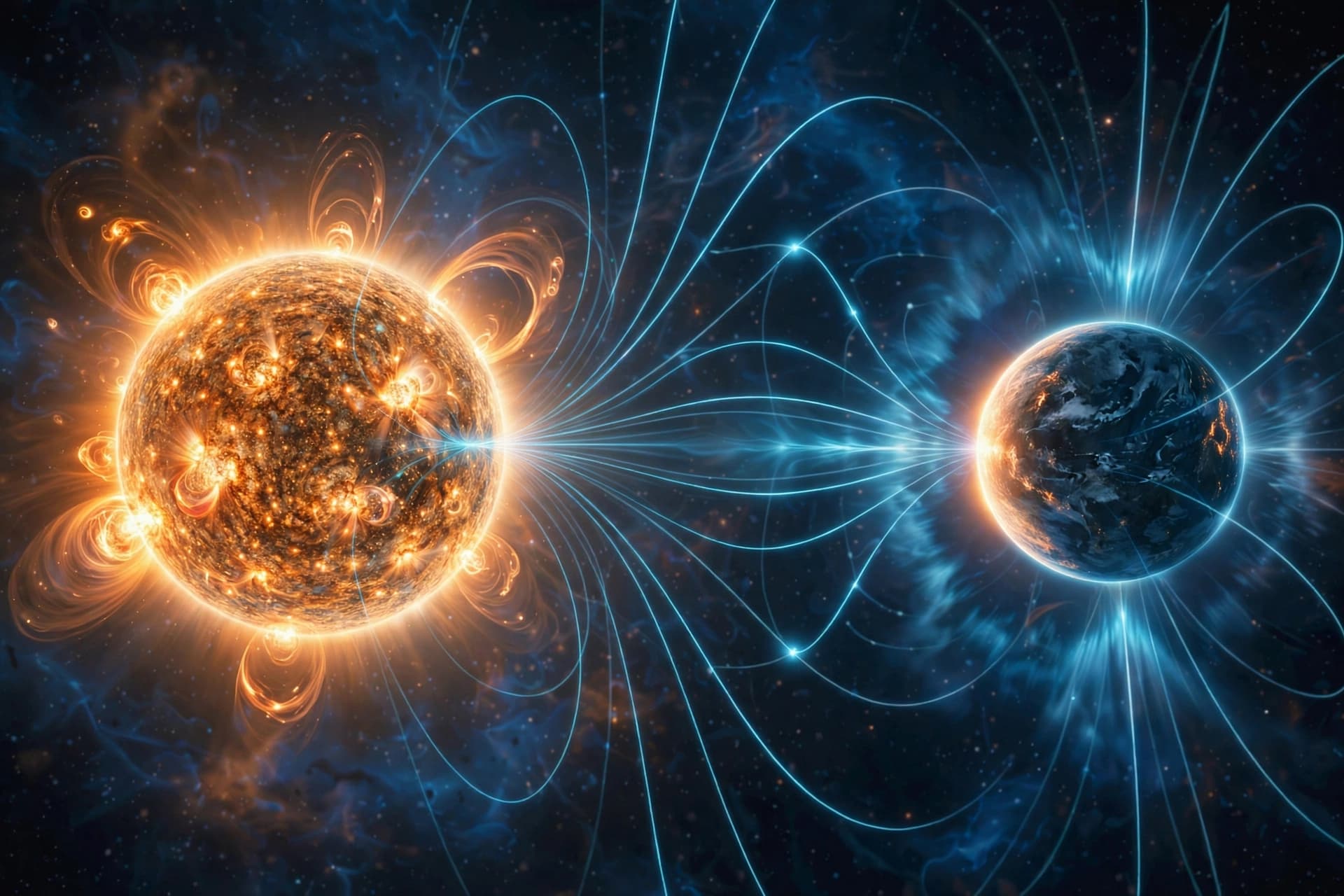
AI Image Disclaimer Visuals are AI-generated and serve as conceptual representations.
Sources (names only) NASA Science News Nature The Verge Space.com
Published by Banx Network. This article is part of the Banx decentralized media programme, powered by the BXE token on the XRP Ledger.