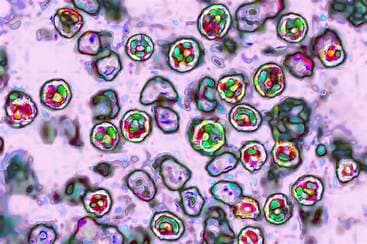
Science has always known that cancer speaks in mutations, but perhaps it also whispers in sugars. For decades, the genetic language of tumors has been read through DNA mutations and protein markers. Now, a quiet revolution is emerging: glycans — the complex sugar molecules decorating the surfaces of our cells — may be carrying messages we’ve overlooked.
A sweeping international study published in Science Translational Medicine has uncovered how specific glycan genes — the blueprints behind these sugar structures — change dramatically in cancer cells. By decoding these shifts, researchers believe they’ve found a biological signature that could enable earlier, more precise cancer diagnoses.
Glycans are not mere ornaments. They are messengers, modifiers, and guardians. They regulate how cells communicate, move, and hide. In healthy tissue, their patterns are stable, predictable. But in cancer, these sugar codes twist into abnormal shapes, allowing malignant cells to evade the immune system or metastasize more effectively.
What makes this discovery striking is not only its elegance but its utility. By mapping glycan-related gene activity, scientists could distinguish cancerous cells from healthy ones with surprising accuracy — even in early, symptom-free stages. It’s a form of molecular cartography, where sugar trails become signposts for disease.
Unlike mutations, which can vary wildly between individuals and tumor types, glycan signatures appear to follow more consistent patterns. That could make them powerful biomarkers, usable across a spectrum of cancers. “We’re looking at a universal layer of biological information that’s been ignored for too long,” one lead researcher told Nature News.
The implications ripple through diagnostics. Blood tests that detect glycan shifts could someday alert physicians long before imaging scans do. New therapies might exploit these sugar pathways to block tumor camouflage. And in the long arc of oncology, early detection remains the quiet hero.
Cancer has always been a master of disguise. But perhaps its sweetest mask — the sugar code — is also its most revealing flaw.
AI Image Disclaimer: This article’s images are AI-generated for illustrative purposes only and do not depict real individuals or events.
Sources: Science Translational Medicine, Nature News, MIT Technology Review, Johns Hopkins Medicine
Published by Banx Network. This article is part of the Banx decentralized media programme, powered by the BXE token on the XRP Ledger.